
Contract Packaging
Parchment Paper
Parchment Paper Solutions that Create Competitive Advantage
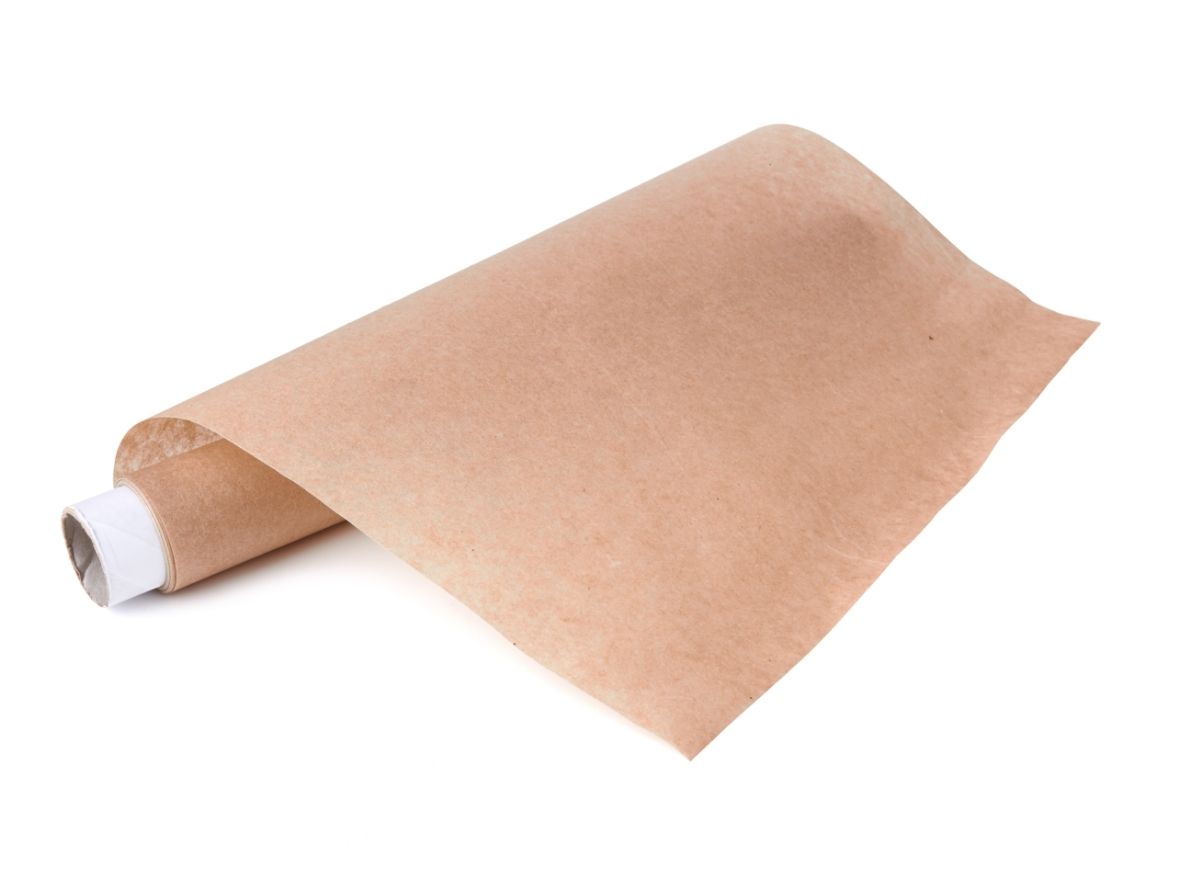
Parchment paper is a staple in both professional and home kitchens, prized for its versatility and ease of use. This paper, specially treated to withstand high temperatures, provides a non-stick surface that makes cooking and baking simpler and cleaner. From baking perfect cookies to wrapping fish for steaming, parchment paper simplifies the cooking process and enhances the outcome of dishes by providing a reliable, heat-resistant, and non-stick barrier.
-
01 Types of Parchment Paper
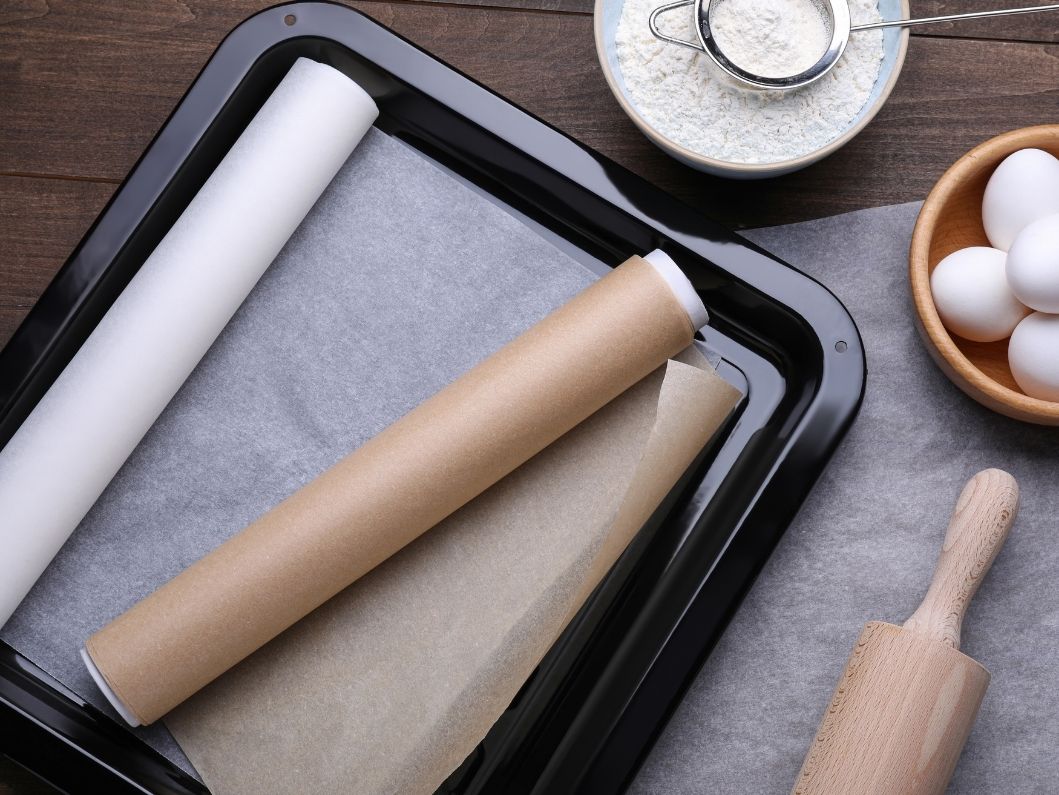
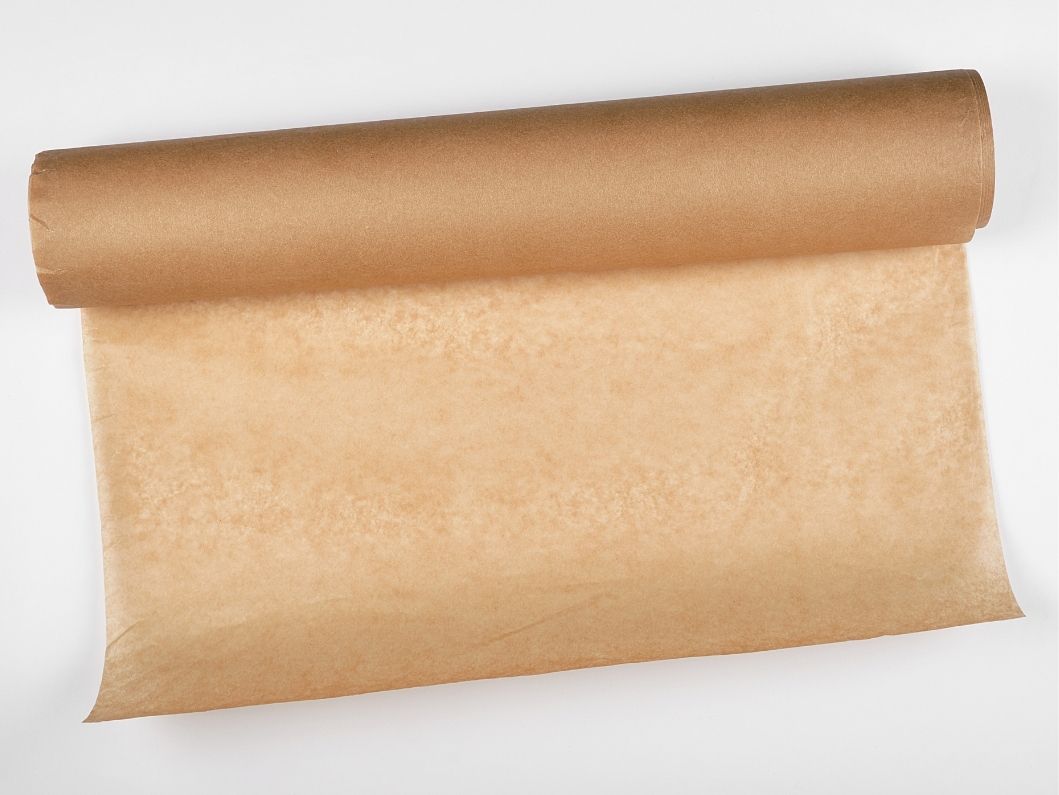
- Unbleached Parchment Paper: This type of parchment paper is not treated with chlorine, giving it a natural, brown color. It’s a popular choice for those looking for a more environmentally friendly option.
- Bleached Parchment Paper: Bleached parchment paper has been treated with chlorine to give it a traditional white color. It performs similarly to unbleached parchment, though some users prefer the aesthetic and perceive it as cleaner.
- Silicone-Coated Parchment Paper: Most modern parchment papers are coated with silicone, which gives them their non-stick properties. This type can be used in baking, steaming, and even high-temperature cooking.
- Quilon-Coated Parchment Paper: This is a less expensive alternative to silicone-coated parchment. Quilon-coated parchment contains a mix of chemicals, including chromium, which can leave trace elements after decomposition. It is not recommended for repeated use at high temperatures.
- Pre-cut Sheets and Circles: These are convenient for bakers who want ready-to-use options that fit perfectly in pans or on baking sheets, reducing waste and cutting time.
-
02 Key Features of Parchment Paper
- Heat Resistance: Parchment paper can typically withstand temperatures up to 420-450°F (215-232°C), making it suitable for most baking tasks.
- Non-stick Surface: The surface of parchment paper is designed to prevent food from sticking, making it ideal for baking cookies, breads, and other items without additional grease.
- Moisture and Grease Resistance: Parchment paper is treated to be moisture and grease resistant, which helps in evenly cooking and presenting baked goods without sogginess.
-
03 Benefits of Using Parchment Paper
- Ease of Cleaning: Using parchment paper means less time spent scrubbing baking pans, as it prevents food from coming into direct contact with the surfaces of baking sheets or pans.
- Versatility: It can be used for baking, roasting, steaming, and even as a wrapper for leftovers or to make disposable piping bags for decorating.
- Improves Food Quality: Parchment creates a slight insulating layer between the baking sheet and food, which helps in even cooking and prevents burning or sticking.
- Health Benefits: By reducing the need for additional butter, oil, or sprays, it helps lower the overall fat content in recipes.
-
04 Applications of Parchment Paper
- Baking: Ideal for baking cookies, cakes, bread, pastries, and other desserts as it prevents sticking and ensures easy removal from the pan.
- Cooking: Used for en papillote cooking, where food is steamed within a folded pouch, allowing for flavorful, healthy dishes.
- Food Storage: Parchment can be used to wrap cheese, meats, or other perishables, as its breathable nature keeps food fresh longer than plastic wrap.
- Crafts and Other Uses: Beyond the kitchen, parchment paper is used in crafts for tracing, making patterns, or even as a non-stick surface for painting.
Your Gateway to Parchment Paper Solutions
CoPack Connect can connect brands with contract packagers that offer parchment paper packaging. We make it easy for businesses to find the right manufacturer for their needs and provide the tools and resources they need to manage their vacuum pouch projects successfully.

2000+
Manufacturers