
Pressure Cooking Solutions that Create Competitive Advantage
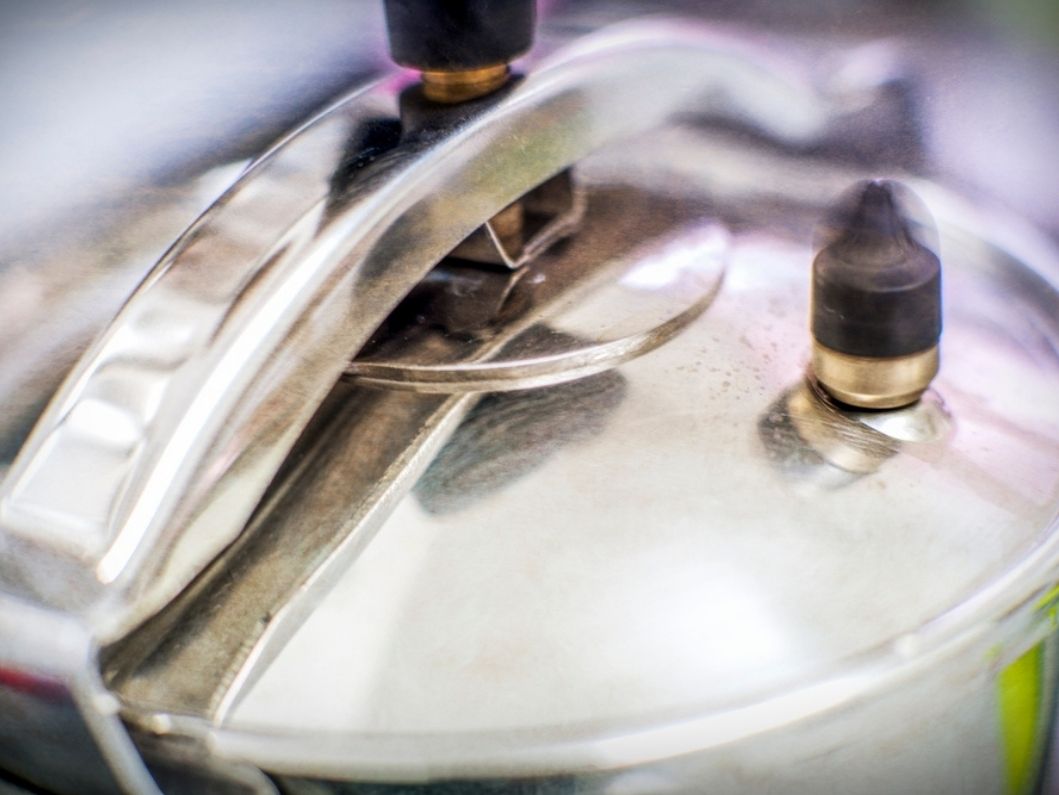
Pressure cooking is a method of cooking food in a sealed vessel, known as a pressure cooker, which does not permit air or liquids to escape below a pre-set pressure. This cooking technique utilizes water or another cooking liquid which is heated to produce steam that cooks food faster than traditional methods. The sealed environment increases the pressure, allowing the temperature to rise above the normal boiling point of water, significantly speeding up the cooking process.
-
01 Key Features of Pressure Cooking
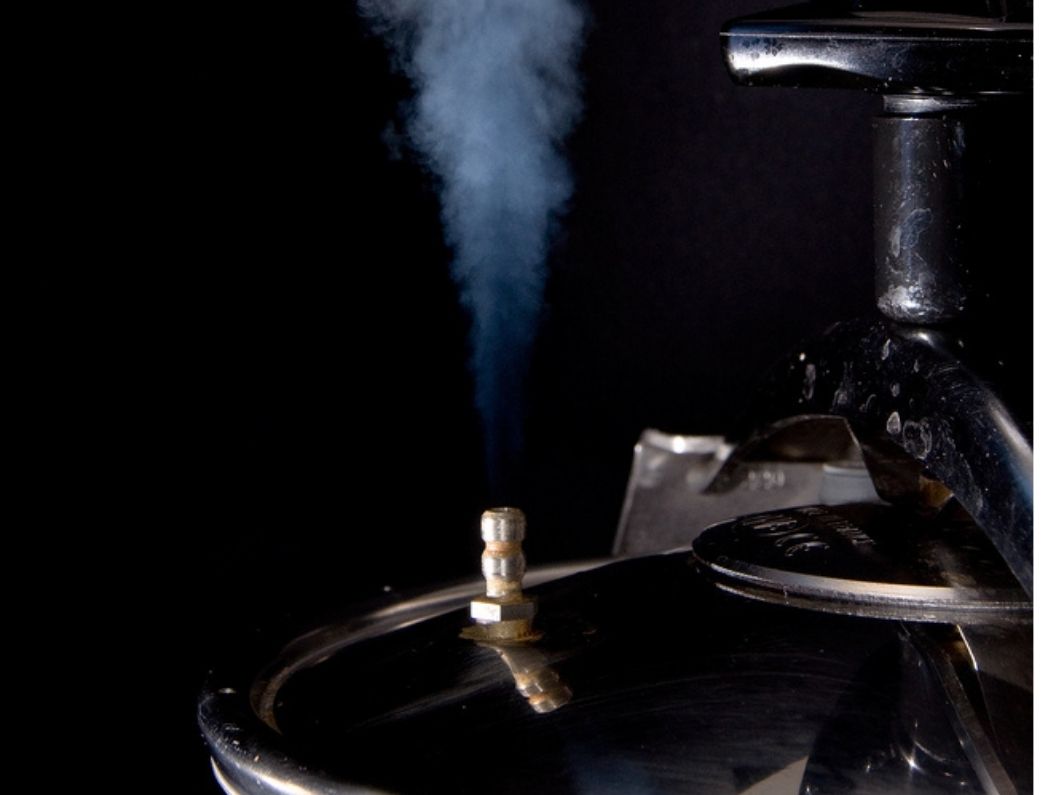
- Speed: Pressure cooking reduces cooking time by up to 70%, making it a quick method for preparing meals.
- Energy Efficiency: This method uses less energy compared to conventional cooking methods as the cooker reaches high temperatures faster and retains heat more efficiently.
- Versatility: Pressure cookers can be used to prepare a wide range of dishes, from meats and stews to rice and vegetables.
- Nutrient Retention: The cooking environment is sealed, which helps preserve vitamins and minerals that are often lost through other cooking methods.
- Flavor Enhancement: The flavors are often more concentrated and foods are generally more tender due to the steam cooking process.
-
02 Types of Pressure Cooking
- Stovetop Pressure Cooking: Traditional pressure cookers that are placed on a stove and heat is adjusted manually. Offers greater control over temperature and pressure.
- Electric Pressure Cooking: These pressure cookers are standalone units with an integrated heating element. Features include digital controls, timers, and preset cooking modes for ease of use.
- Microwave Pressure Cooking: Designed specifically for use in microwave ovens. Generally smaller and made of microwave-safe materials. Offers a quick and convenient option for pressure cooking.
- Commercial Pressure Cooking: Used in professional kitchens and industries for large-scale food preparation. Built to withstand continuous use and higher pressures.
-
03 Benefits of Using Pressure Cooking
- Time Saving: Meals can be prepared in a fraction of the time required for traditional cooking methods.
- Energy Efficient: Because cooking times are reduced, less energy is used overall, which can lead to lower utility bills.
- Healthier Meals: The ability to cook quickly without needing to add large amounts of fat or oil results in healthier dishes.
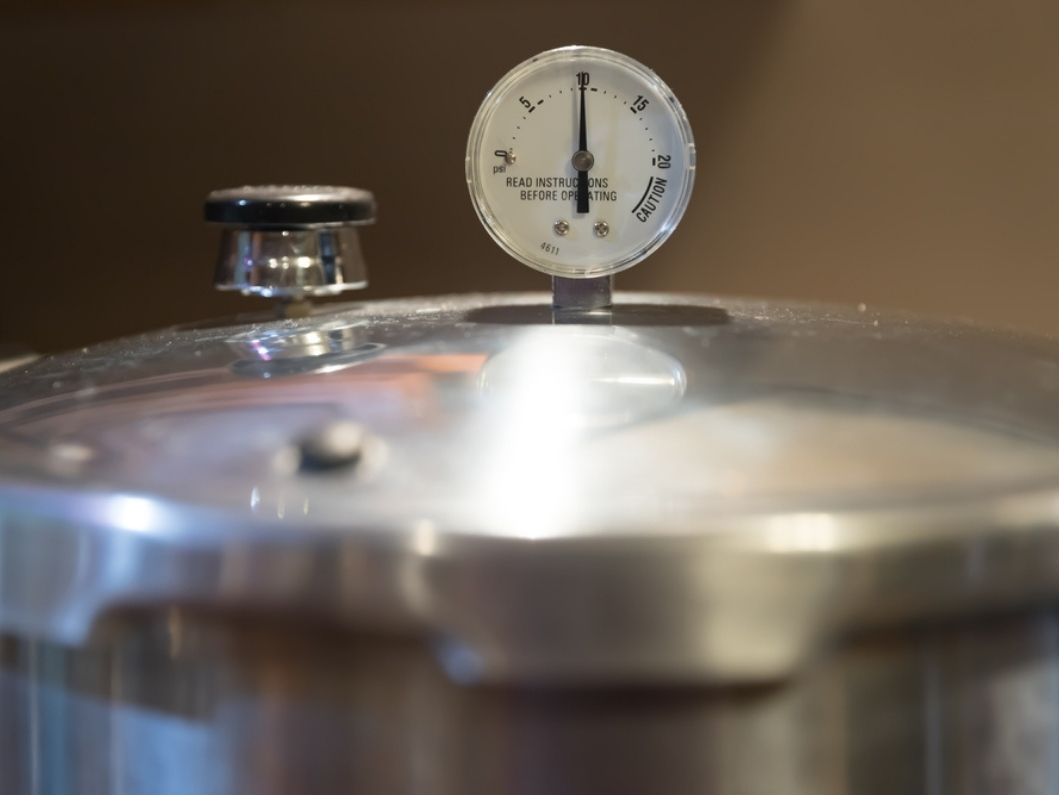
- Improved Safety: Modern pressure cookers come with multiple safety features like lockable lids, pressure release valves, and safety vents.
-
04 Applications of Pressure Cooking
- Home Cooking: Ideal for busy households looking for quick and nutritious meals.
- Commercial Kitchens: Used in restaurants and cafeterias where quick meal turnaround is crucial.
- Canning: Pressure canners are used to preserve food in a safe manner, ensuring that it is free from bacteria and other pathogens.
- Meal Prep: Suitable for preparing large batches of food that can be stored for later use, optimizing meal planning and reducing food waste.
-
05 Environmental Considerations
Pressure cooking offers substantial environmental benefits by reducing energy consumption and minimizing heat output, which helps lower carbon emissions and decreases the reliance on air conditioning. This method also promotes sustainability by efficiently tenderizing tougher cuts of meat and cooking a variety of foods, thereby reducing food waste. These attributes make pressure cooking an eco-friendly choice, aligning well with efforts to mitigate environmental impacts while enhancing nutritional benefits.
Your Bridge to Finding Efficient Pressure Cooking Services
CoPack Connect can connect brands with contract manufacturers and packagers that offer pressure cooking services. We make it easy for businesses to find the right manufacturer for their needs and provide the tools and resources they need to manage their projects successfully.
2000+
Manufacturers