

Glass Tubes Solutions that Create Competitive Advantage
Glass tubes are cylindrical hollow structures made from glass, widely used in scientific, industrial, and decorative applications. They are manufactured using various glass types, each selected for its specific properties, such as chemical resistance, clarity, or durability. Glass tubes can vary greatly in size, thickness, and diameter, tailored to suit specific uses or requirements.
-
01 Key Features of Glass Tubes
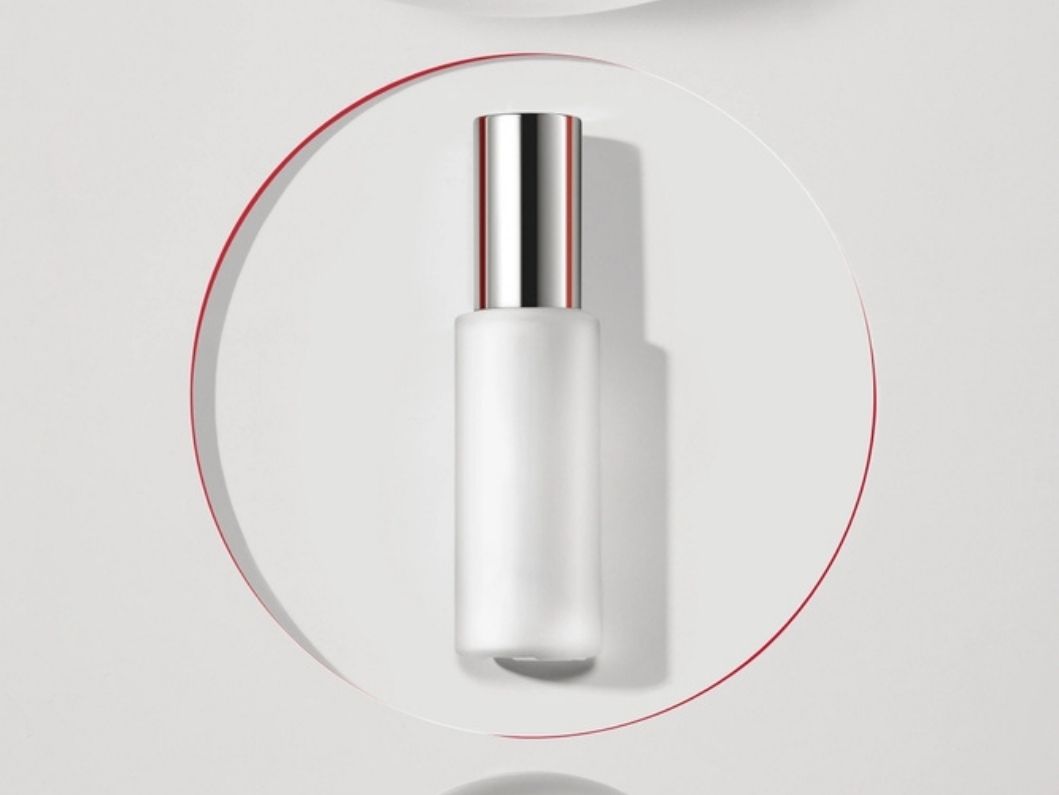
- Chemical Resistance: Many glass types offer excellent resistance to acids, solvents, and other chemicals, making them suitable for laboratory and industrial applications.
- Thermal Stability: Glass tubes can withstand varying temperatures without deforming, crucial for processes involving heat.
- Transparency: Certain types of glass provide excellent clarity, essential for observational activities in labs and intricate art projects.
- Insulating Properties: Glass is a good insulator of electricity, making these tubes ideal for protective casings in electrical applications.
- Customizability: They can be easily molded into various shapes and sizes to meet specific requirements.
-
02 Types of Glass Tubes
- Borosilicate Glass Tubes: Known for their superior chemical resistance and thermal stability, these tubes are ideal for high temperature or harsh chemical environments. Brands like Pyrex and Duran are popular examples.
- Soda-Lime Glass Tubes: The most common type of glass, used in everyday applications. These tubes are cheaper to produce but less resistant to thermal shock and chemicals compared to borosilicate glass.
- Lead Glass Tubes: Containing lead oxide, these tubes offer high optical clarity and density, making them suitable for optical applications and radiation shielding.
- Quartz Glass Tubes: Made from high-purity silica, quartz tubes withstand extremely high temperatures and are mostly used in semiconductor manufacturing and laboratory settings.
- Aluminosilicate Glass Tubes: These have higher strength and thermal resistance, often used in environments requiring durability under high thermal stress.
-
03 Benefits of Using Glass Tubes
- Durability: Glass tubes are robust and long-lasting, able to withstand repeated use and sterilization without degradation.
- Non-reactive Nature: Glass does not react with most chemicals, ensuring that substances inside the tube remain uncontaminated.
- Heat Resistance: They can be used in high-temperature applications, such as heating processes or handling hot substances, without risk of melting or releasing harmful substances.
- Versatility: Glass tubes are used in diverse fields from electronics and pharmaceuticals to decorative items and art.
- Recyclability: Glass is 100% recyclable, which minimizes its environmental impact compared to many other materials.
-
04 Applications of Glass Tubes
- Scientific Research: In laboratories for conducting experiments and storing samples.
- Medical Field: For making durable, sterile, and non-reactive containers for medications and samples.
- Electronics: As insulators or protectors for fragile components.
- Decorative Uses: In crafting, such as for making beads, ornaments, or part of light fixtures.
- Industrial Applications: In chemical processing, heat exchangers, and other manufacturing processes where stability and resistance are needed.
Your Bridge to Finding Efficient Glass Tubes Services
CoPack Connect can connect brands with contract packagers that offer glass tubes packaging. We make it easy for businesses to find the right manufacturer for their needs and provide the tools and resources they need to manage their glass tubes projects successfully.

2000+
Manufacturers