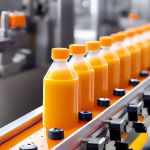

Plastic Cups Solutions that Create Competitive Advantage
Plastic cups are ubiquitous and versatile containers used globally for various purposes, primarily for holding beverages. They offer convenience, especially in settings where durable and reusable alternatives are impractical. Here’s an extensive overview covering their types, features, benefits, applications, and environmental considerations:
-
01 Key Features of Plastic Cups
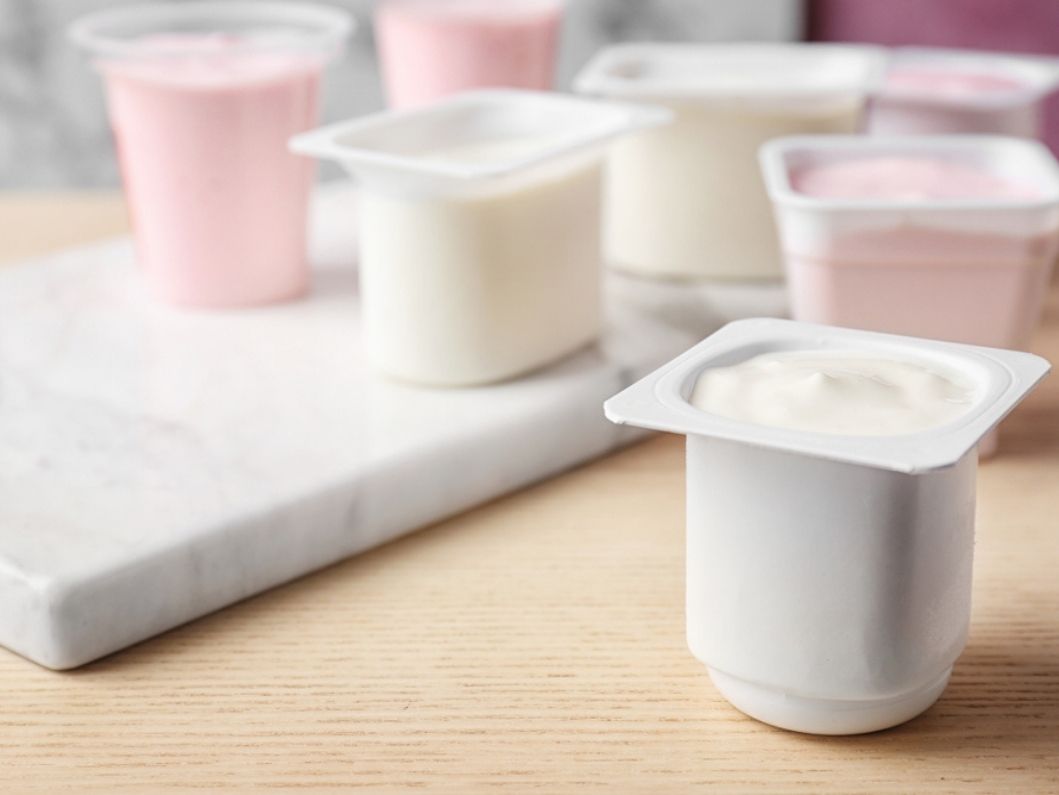
- Versatility: Plastic cups can handle hot and cold drinks and can be designed for specific uses, such as snap-on lids, double-walled for insulation, and custom shapes for branding.
- Durability: Resistant to breaking and cracking, which makes them ideal for outdoor events, fast-food chains, and children’s parties.
- Cost-Effectiveness: They are cheaper to produce compared to glass or metal alternatives.
- Lightweight: Easy to transport and handle, which reduces shipping costs and energy used in transportation.
- Transparency and Customization: Certain types of plastic cups offer clarity that is aesthetically pleasing for serving beverages, and they can easily be printed with logos or designs for promotional purposes.
-
02 Types of Plastic Cups
- Polyethylene Terephthalate (PET): These are clear, strong, and lightweight. PET cups are commonly used in restaurants and cafes for serving cold drinks, as they showcase the beverage attractively.
- High-Density Polyethylene (HDPE): Known for their stiffness and strength, HDPE cups are more resistant to heat and act as good insulators for hot beverages.
- Polystyrene (PS): Often used for cheaper, lightweight cups. These are the typical “party cups” available in various colors and are good for both hot and cold beverages.
- Polypropylene (PP): These cups are heat resistant, making them suitable for hot drinks and microwave-safe applications. They are often used in healthcare settings due to their durability and resistance to chemicals.
- Bioplastics: Made from natural materials such as corn starch, these are an eco-friendlier alternative to traditional plastics. They are biodegradable under certain conditions and are used primarily for cold beverages.
-
03 Benefits of Using Plastic Cups
- Convenience: Ideal for quick service restaurants, outdoor festivals, and private parties due to their disposability and ease of use.
- Hygiene: Single-use options provide a hygienic solution by preventing the spread of germs and viruses through shared containers.
- Safety: The risk of injuries associated with broken glass is eliminated, which is especially beneficial in settings involving children or alcohol where accidents can be more prevalent.
- Storage Efficiency: Stackable design makes them space-efficient, simplifying logistics and storage in large quantities.
-
04 Applications of Plastic Cups
- Food and Beverage Industry: Common in fast food, takeaways, cinemas, and coffee shops.
- Healthcare: Used for dispensing medications or samples due to their disposability and cleanliness.
- Dental Offices: For mouth rinsing and holding dental tools or mixes.
- Parties and Events: Essential for serving drinks at casual or formal gatherings.
- Marketing: Custom-printed cups are used for promotional activities at events or within promotional kits.
Your Bridge to Finding Efficient Plastic Cups Packaging Services
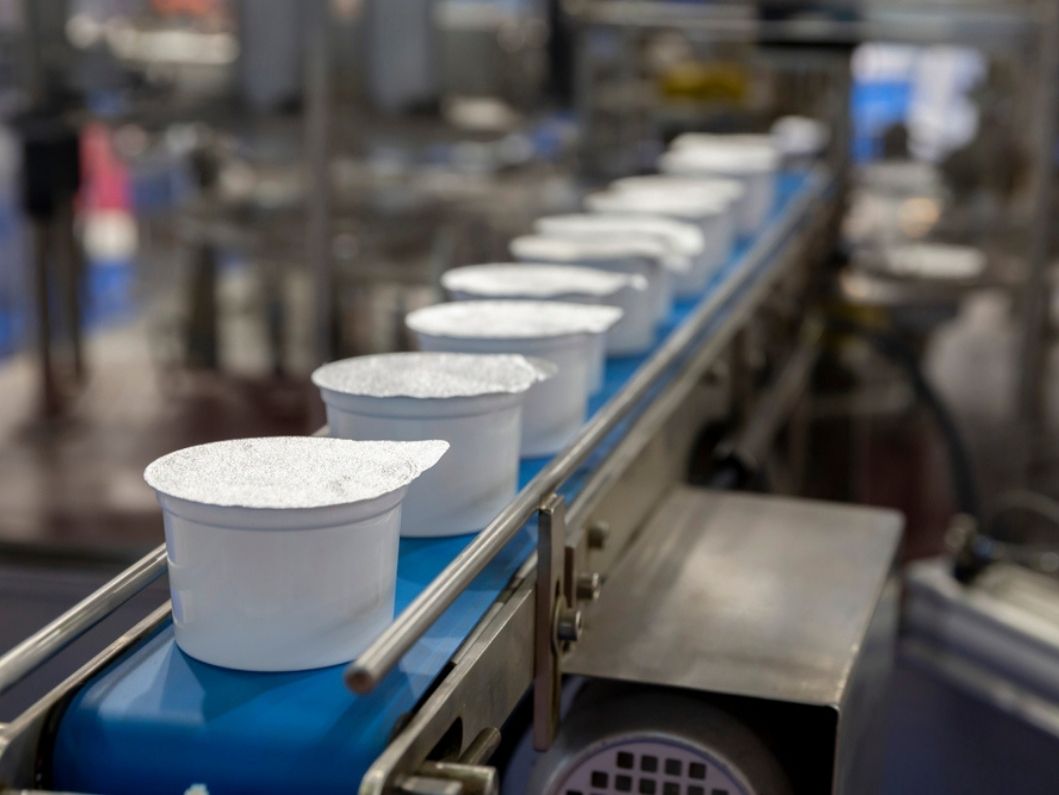
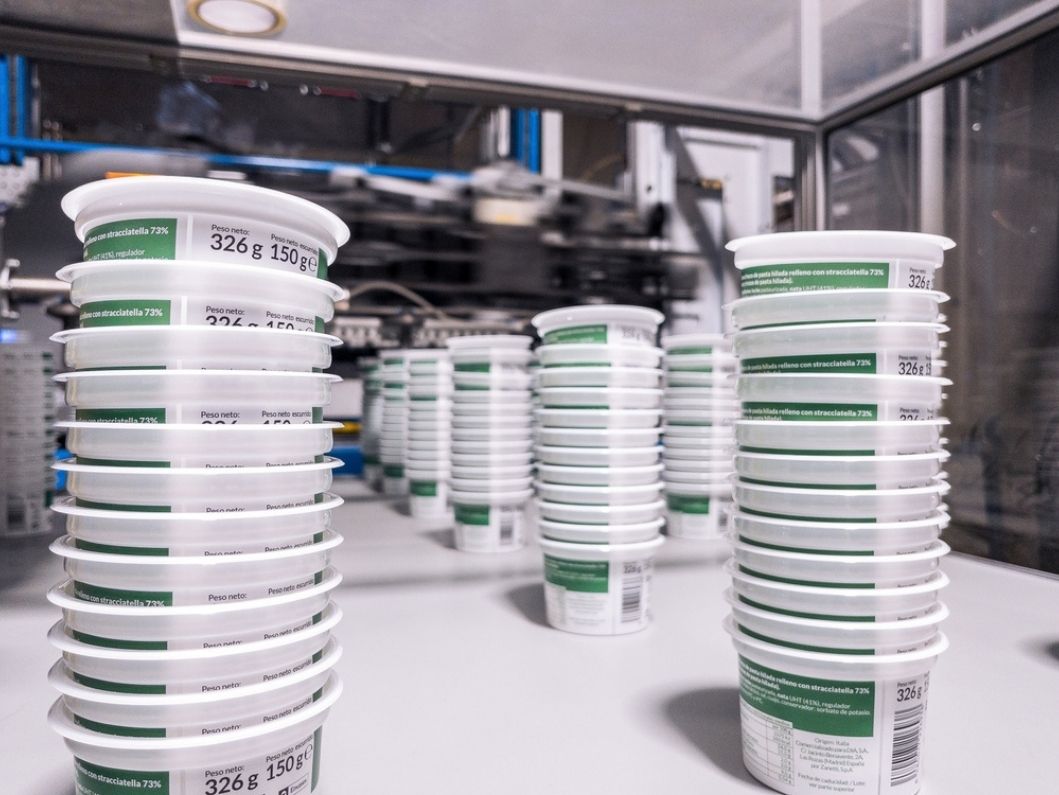
CoPack Connect can connect brands with contract packagers that offer plastic cups packaging. We make it easy for businesses to find the right manufacturer for their needs and provide the tools and resources they need to manage their plastic cups projects successfully.

2000+
Manufacturers