

Deli Containers Solutions that Create Competitive Advantage
Deli containers, also known as deli cups or food containers, are versatile packaging solutions primarily used in the food service industry for the storage and transportation of a wide range of food products. These containers are designed to keep food items fresh, making them essential for delis, supermarkets, catering businesses, and home use. Below is a detailed overview of deli containers, covering their types, key features, benefits, applications, and environmental considerations.
-
01 Key Features of Deli Containers
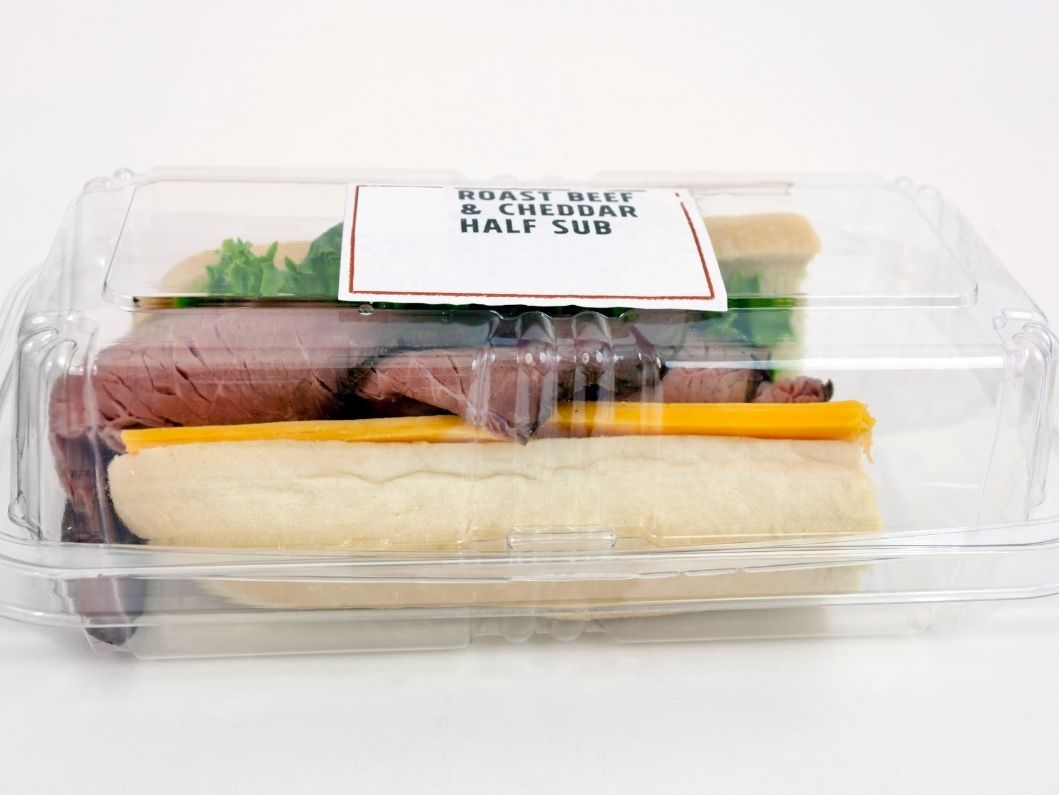
- Airtight Seals: Many deli containers feature airtight seals which help keep food fresh by preventing air exposure and contamination.
- Transparency: Clear containers allow for easy identification of contents, reducing the need for opening the container and thus preserving freshness.
- Stackability: Designed to be easily stacked, these containers maximize space in refrigerators, freezers, and storage areas.
- Durability and Flexibility: Depending on the material, some containers are crush-resistant, whereas others might be flexible to avoid cracking.
- Microwave Safe: Many plastic deli containers are microwave safe, making them convenient for reheating food directly in the container.
-
02 Types of Deli Containers
- Plastic Deli Containers:
- Polyethylene Terephthalate (PET): These are clear, strong, and have good moisture and barrier properties, making them suitable for salads, fruits, and cold foods.
- Polypropylene (PP): Known for their heat resistance, these containers can be used in microwaves, making them ideal for hot foods and soups.
- High-Density Polyethylene (HDPE): Durable and more rigid, used for products that require a sturdier packaging option.
- Glass Deli Containers:
- More sustainable than plastic, glass containers are reusable, recyclable, and do not react with the food, thus preserving flavor and freshness over time.
- Biodegradable Deli Containers:
- Made from materials like PLA (polylactic acid) derived from renewable resources such as cornstarch or sugarcane. They decompose faster than traditional plastics.
- Compostable Deli Containers:
- Similar to biodegradable types but specifically can be broken down in composting conditions, returning to the earth without leaving harmful residues.
- Plastic Deli Containers:
-
03 Benefits of Using Deli Containers
- Convenience: They offer a practical solution for meal prep, storage, and transport of food, enhancing convenience for both businesses and consumers.
- Food Safety: With secure lids and robust materials, deli containers help in maintaining the hygiene and safety of food by preventing spillage and protecting against contaminants.
- Cost-Effective: Deli containers are generally inexpensive and available in bulk, which makes them a cost-effective option for food packaging.
- Versatility: These containers are suitable for a wide range of food types and applications, from liquids like soups to solids like sandwiches.
-
04 Applications of Deli Containers
- Food Service Industry: Used extensively in delis, restaurants, and cafeterias for packaging takeout orders or storing bulk ingredients.
- Retail: Useful in supermarkets and grocery stores for packaging deli items, salads, olives, and other bulk foods.
- Home Use: Popular for meal prepping and storing leftovers, their reusability makes them handy for household food management.
- Catering: Essential for caterers needing reliable solutions for transporting prepared foods to events and venues.
Your Bridge to Finding Efficient Deli Containers Services
CoPack Connect can connect brands with contract packagers that offer deli container packaging. We make it easy for businesses to find the right manufacturer for their needs and provide the tools and resources they need to manage their deli container packaging projects successfully.


2000+
Manufacturers