

Your Herbs and Spices. Your Recipe. The Right Contract Manufacturer.
Culinary herbs are essential components in cooking, used to infuse dishes with flavor, aroma, and visual appeal. They contribute to both the taste and presentation of food, offering a range of benefits from enhancing flavors to providing health benefits such as antioxidants and anti-inflammatory properties. These herbs can be fresh or dried, each with unique applications and characteristics, making them versatile tools in the kitchen.
-
01 Types of Culinary Herbs:
Leafy Herbs: Known for their tender leaves, these herbs are typically used fresh to impart a burst of flavor and aroma.
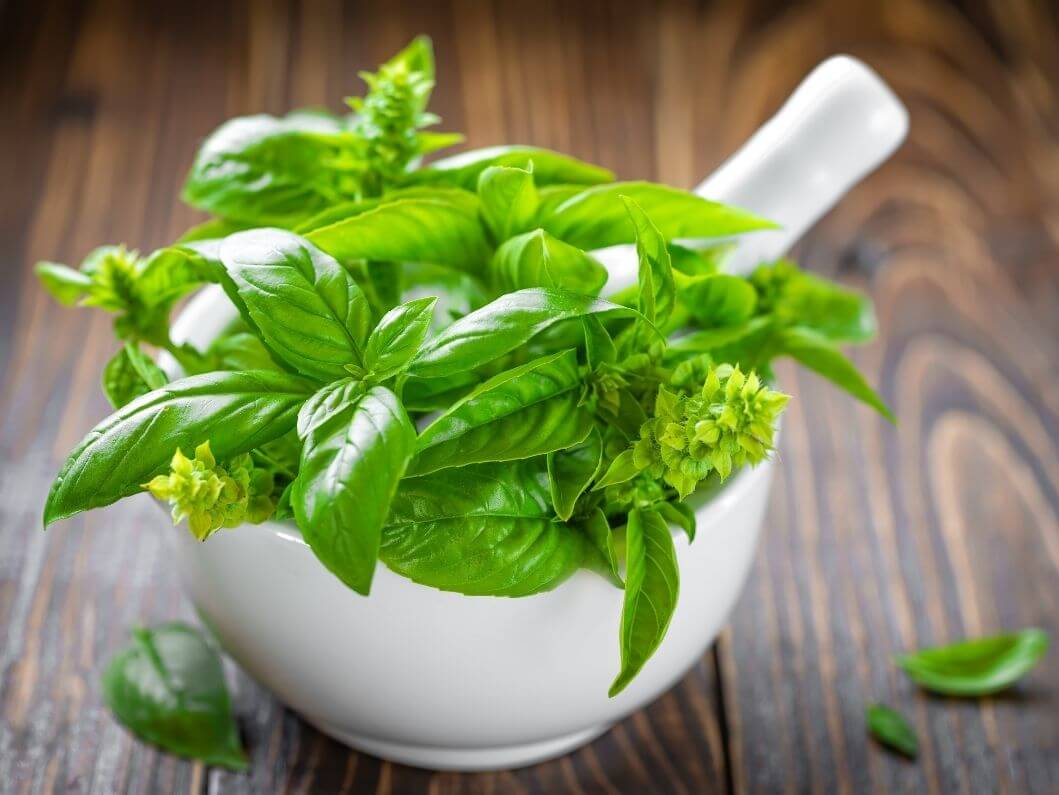
- Basil: With its sweet, slightly peppery taste, basil is a staple in Italian cuisine, ideal for making pesto, sauces, and salads. It pairs well with tomatoes, mozzarella, and other fresh ingredients.
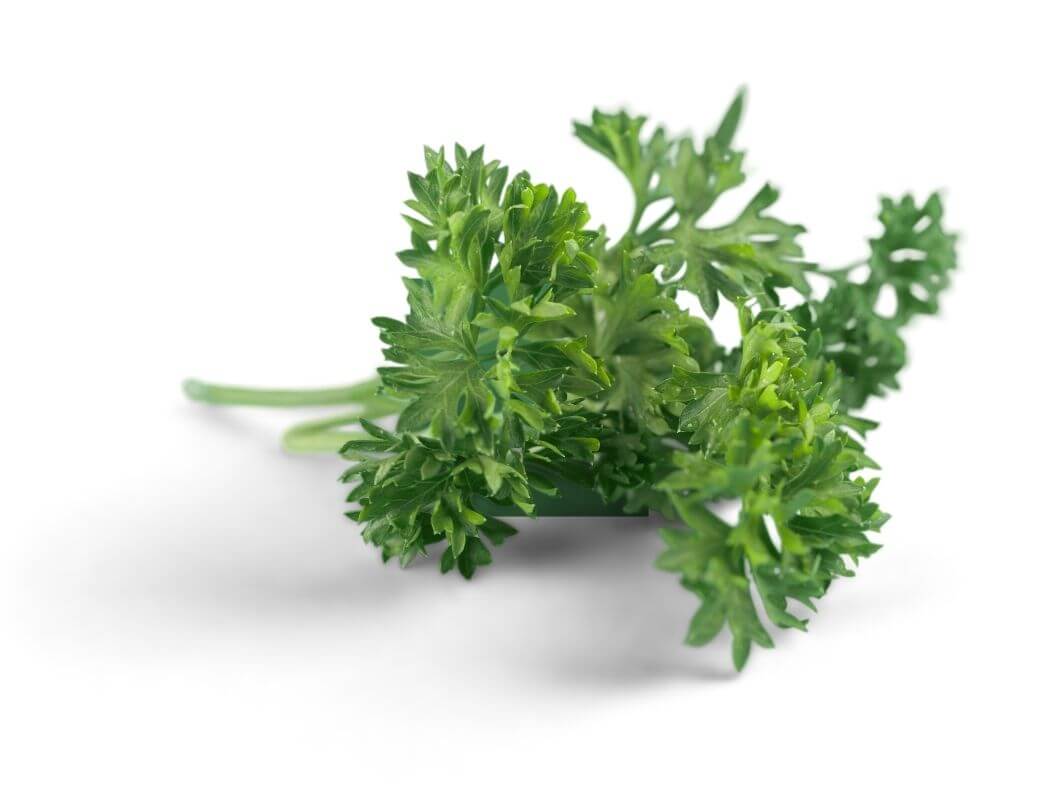
- Parsley: Parsley adds a fresh, mild flavor that complements a wide variety of dishes. It’s often used as a garnish or in dishes like tabbouleh, and its curly or flat-leaf varieties offer subtle differences in taste and texture.
- Cilantro (Coriander): Known for its vibrant, citrusy flavor, cilantro is key in Latin American, Indian, and Southeast Asian cuisines. It’s often used in salsas, curries, and as a garnish.
Woody Herbs: These herbs have tougher, more fibrous stems and are often used dried or in slow-cooked dishes to release their robust flavors.
- Rosemary: Rosemary provides a strong, pine-like flavor that enhances roasted meats, potatoes, and bread. Its needle-like leaves are resilient and hold up well to cooking.
- Thyme: Thyme offers a subtle, earthy taste and is commonly used in soups, stews, and marinades. Its small, aromatic leaves are packed with flavor.
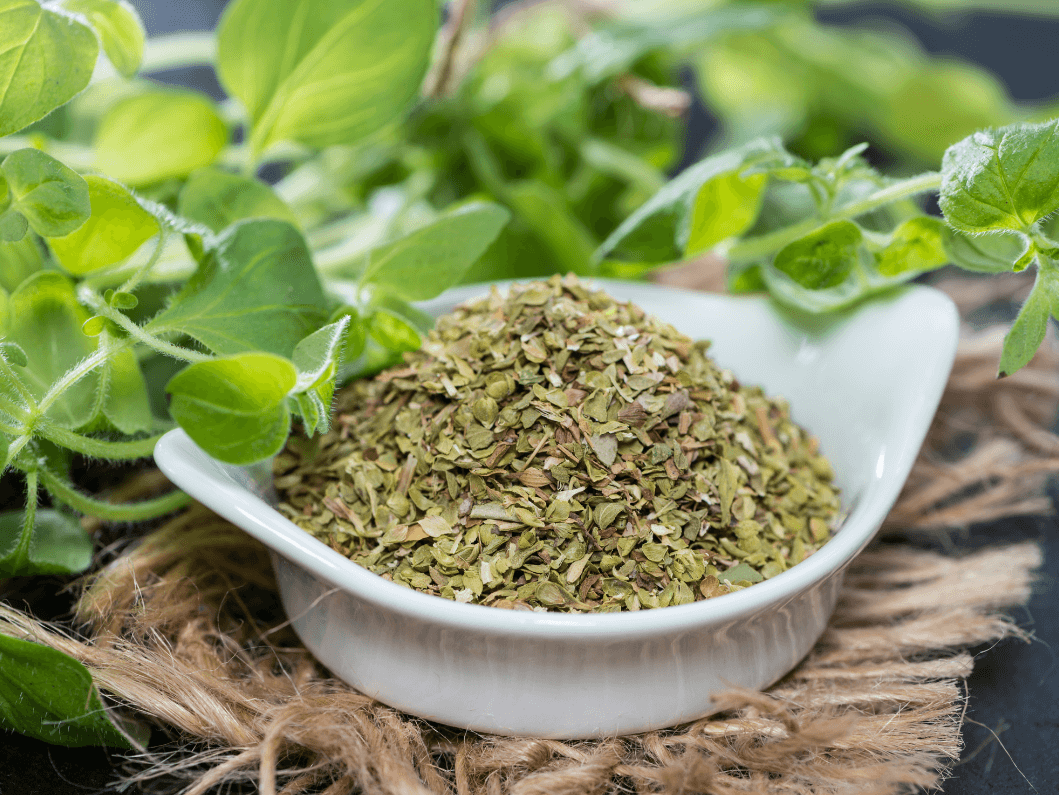
- Oregano: With a robust, slightly bitter flavor, oregano is a key ingredient in Mediterranean cuisine, particularly in pizza sauces, pasta dishes, and Greek recipes.
Aromatic Herbs: Known for their intense fragrance and concentrated flavors, these herbs are used in small amounts to elevate dishes.
- Mint: Mint has a refreshing, cool flavor that is perfect for desserts, beverages, and Middle Eastern dishes. It can be used fresh in salads, teas, and as a garnish.
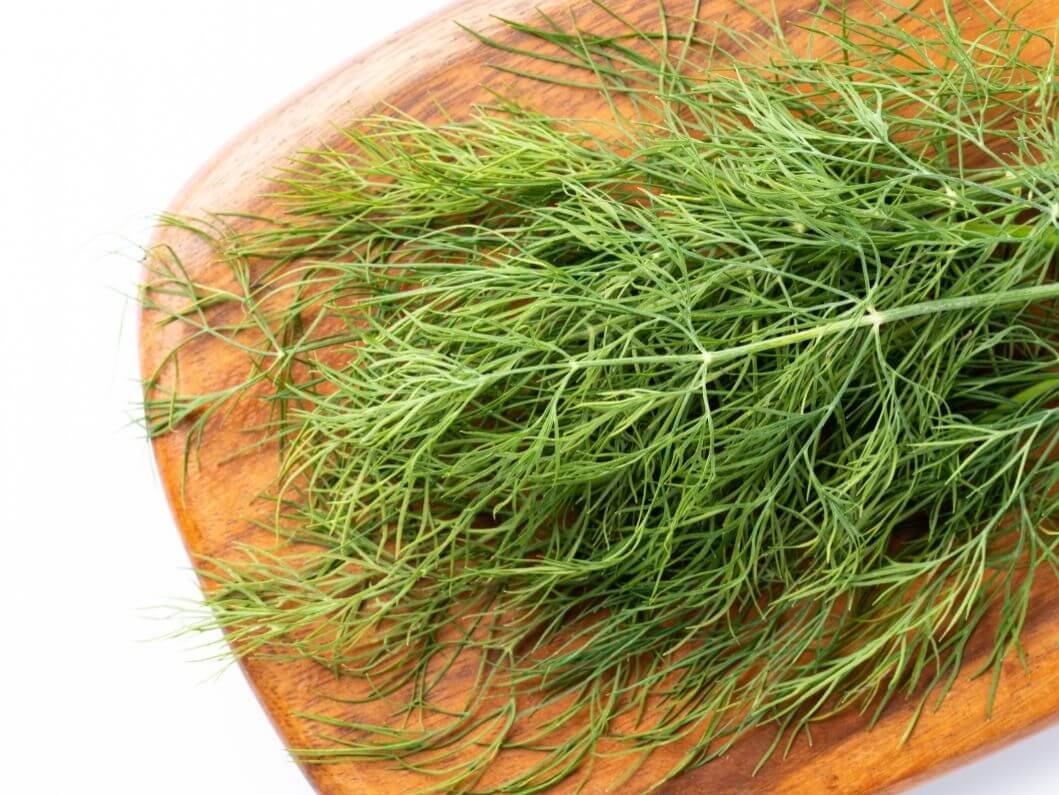
- Dill: Dill provides a tangy, slightly sweet flavor and is commonly used in pickles, fish dishes, and Scandinavian cuisine. Its fronds and seeds both have culinary uses.
Tropical Herbs: Thriving in warm climates, these herbs add distinctive flavors to tropical and Asian dishes.
- Lemongrass: Lemongrass imparts a lemony, herbal flavor with a hint of ginger, commonly used in Thai and Vietnamese cooking. It’s often used to flavor soups, curries, and teas.
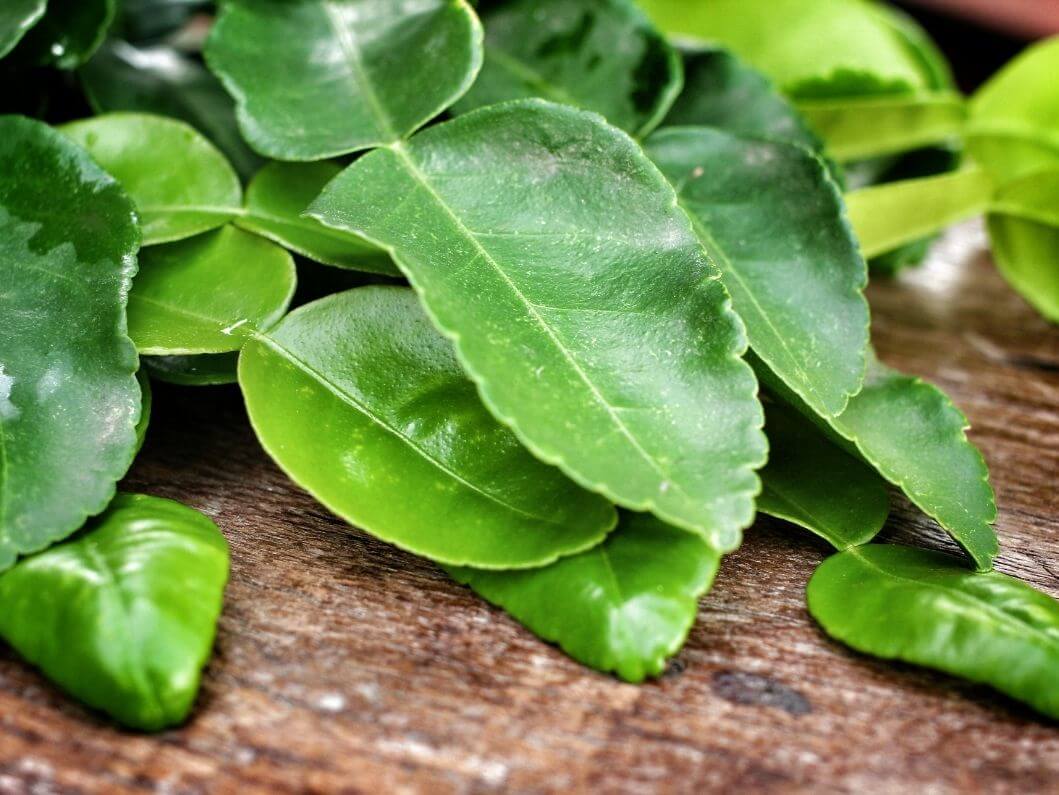
- Kaffir Lime Leaves: These leaves have a distinctive citrusy aroma and are used in Thai and Indonesian cuisines to add depth to soups, curries, and stir-fries.
-
02 Formulations of Culinary Herbs:
- Fresh Herbs: Fresh herbs are prized for their vibrant flavor and aroma. They are typically added towards the end of cooking or used as a garnish to preserve their delicate characteristics. Fresh herbs are also used in salads, salsas, and as an ingredient in dressings and sauces.
- Dried Herbs: Dried herbs are convenient and have a longer shelf life. They are more concentrated in flavor compared to fresh herbs and are ideal for recipes that require longer cooking times. Dried herbs are often used in spice blends, rubs, and marinades.
- Herb Blends: These are pre-mixed combinations of various herbs designed to enhance specific types of dishes. Examples include Italian seasoning, Herbes de Provence, and Garam Masala. Herb blends provide a balanced flavor profile and can save time in preparation.
- Herb Pastes: Made by grinding fresh herbs with oil, garlic, and other ingredients, herb pastes like pesto or chimichurri offer a concentrated flavor that can be used as a sauce, marinade, or spread.
- Herb Oils: Infused with herbs, these oils are used to add flavor to dishes or as a base for dressings and marinades. They can be made with a variety of herbs such as rosemary, basil, or thyme.
- Herb Teas: Herbal teas made from dried herbs like mint, chamomile, or lemongrass provide a flavorful and aromatic drink. They can also be used as a base for cooking or to add flavor to dishes.

2000+
Manufacturers