

Your Herbs and Spices. Your Recipe. The Right Contract Manufacturer.
Tangy herbs and spices offer a diverse range of flavors that can enliven dishes with a burst of zestiness and complexity. Their unique profiles make them essential in many culinary traditions around the world, enhancing both the taste and aroma of various recipes. Whether used to season meats, flavor sauces, or spice up desserts, these ingredients add depth and brightness to meals.
-
01 Types of Tangy Herbs and Spices:
Citrus Zests:
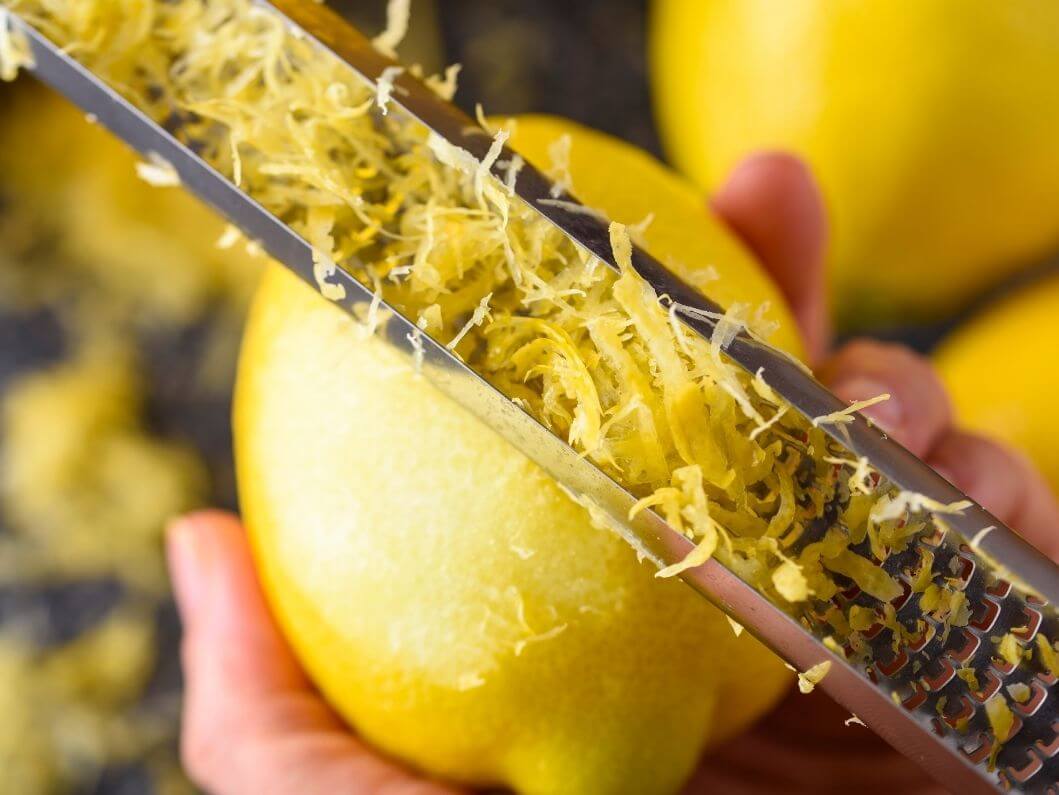
- Lemon Zest: Adds a bright, tangy flavor that enhances seafood dishes, salads, and desserts. Lemon zest contains essential oils that provide a fresh, aromatic quality.
- Lime Zest: Known for its sharper, more intense tang, lime zest is used in Mexican, Thai, and Vietnamese dishes to add a vibrant citrus note.
- Orange Zest: Offers a sweeter tang compared to lemon and lime, making it ideal for baked goods and savory dishes that benefit from a subtle citrus flavor.
Tamarind:
- Tamarind Pulp: This sour and slightly sweet pulp is used in sauces, curries, and soups to impart a complex tanginess.
- Tamarind Concentrate: A more potent form of tamarind, often used in small amounts to intensify the flavor in recipes like barbecue sauces and chutneys.
Sumac:
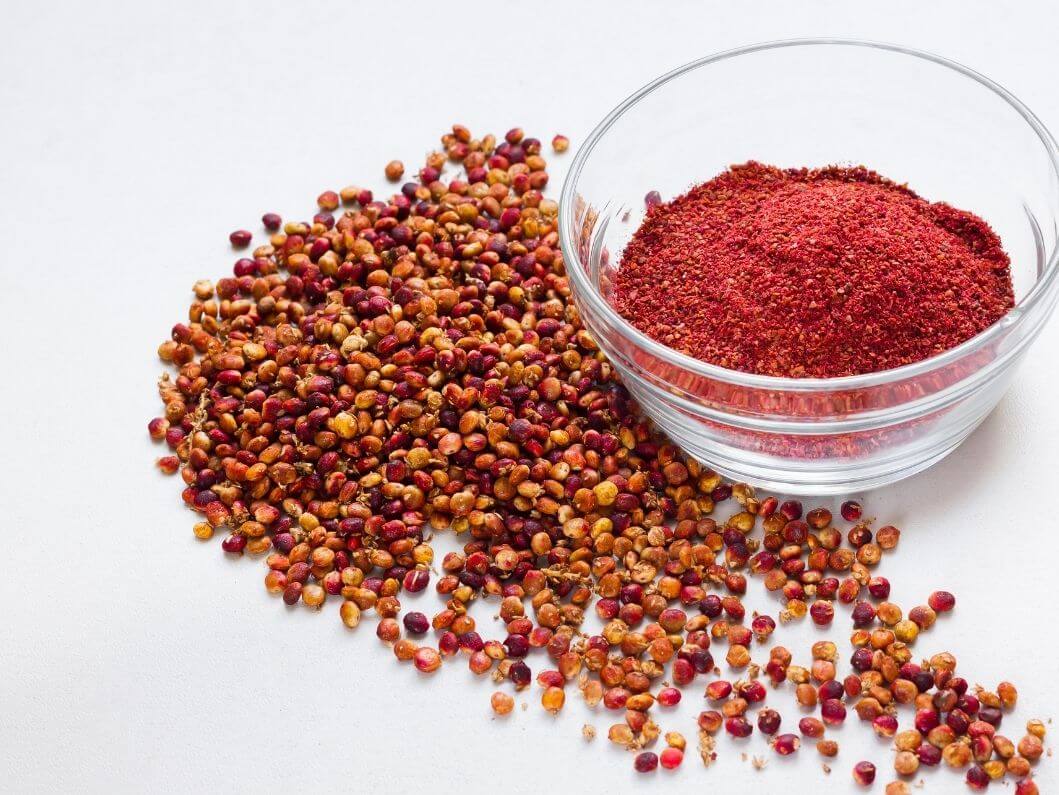
- Ground Sumac: Provides a tangy, lemon-like flavor without the acidity of citrus. It’s used in spice blends, dressings, and as a garnish for meats and vegetables.
- Whole Sumac Berries: These can be crushed to release their tangy flavor, often used in traditional Middle Eastern dishes for a more rustic touch.
Dried Mustard Seeds:
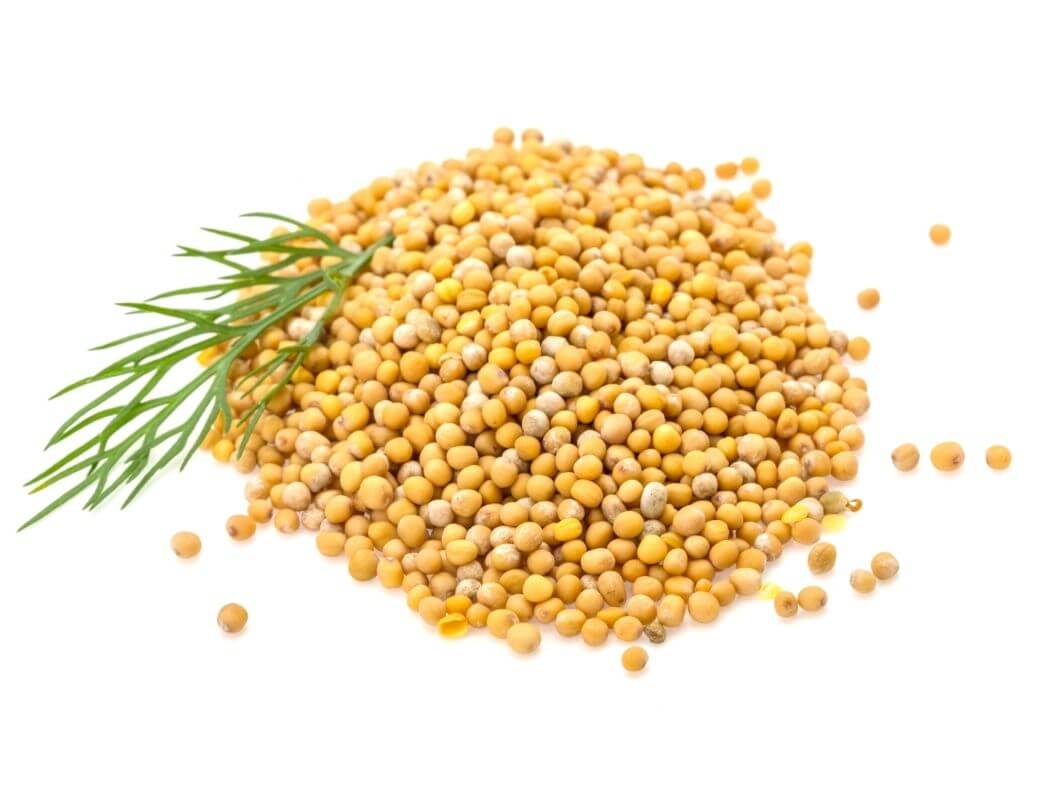
- Yellow Mustard Seeds: Have a milder tanginess and are commonly used in pickles and mustard condiments.
- Brown Mustard Seeds: Offer a sharper, spicier tang and are used in Indian cuisine for making curry powders and pickles.
Chili Powder:
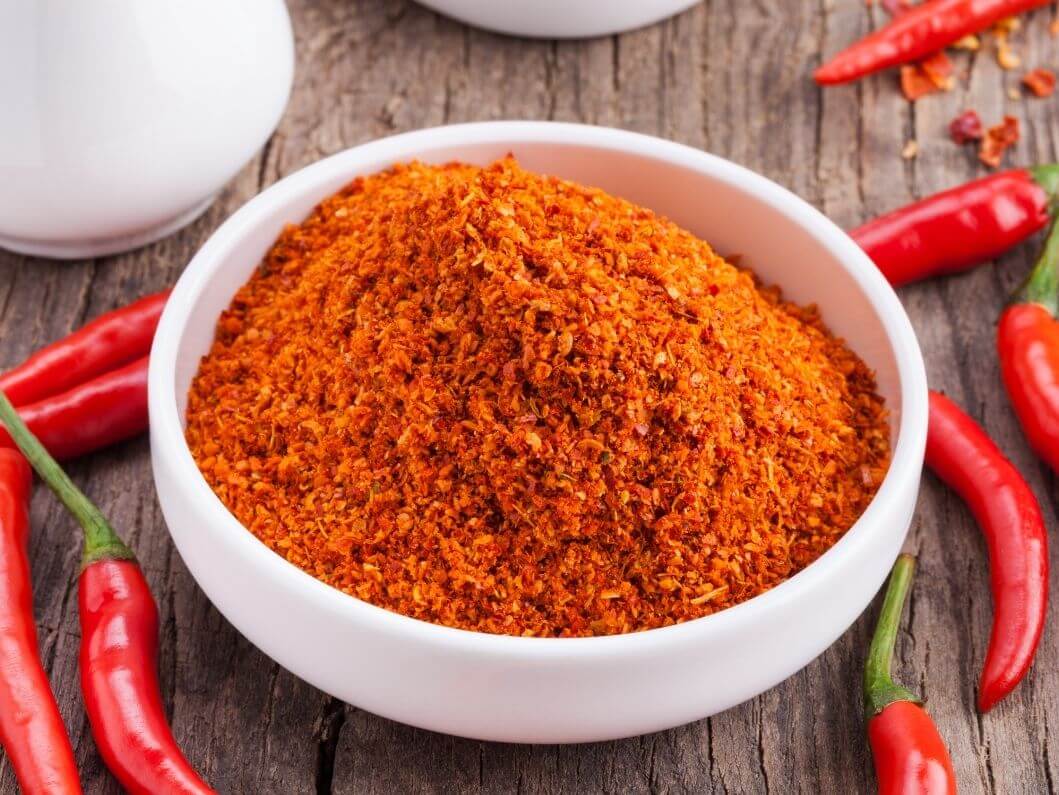
- Traditional Chili Powder: Blends various spices, including cayenne, paprika, and cumin, offering a mix of heat and tanginess.
- Cayenne Pepper: A particularly hot chili powder that also imparts a tangy undertone, used in spicy dishes and hot sauces.
Ginger:
- Fresh Ginger: Provides a bright, spicy tang and is used in stir-fries, teas, and baked goods. Its zestiness is complemented by its warming quality.
- Dried Ginger: More concentrated in flavor, this form is used in spice blends, cookies, and some savory dishes.
-
02 Formulations of Tangy Herbs and Spices:
Ground Spices:
- Powdered Form: Easy to mix into dry ingredients or dissolve in liquids. Ideal for quick and uniform flavor distribution in sauces, soups, and rubs.
Whole Spices:
- Whole Seeds or Berries: Often used in their whole form for pickling, tempering, or adding whole to dishes for a burst of flavor that can be easily removed after cooking.
Fresh Herbs:
- Chopped or Sliced: Fresh herbs like lemon thyme or cilantro are used to garnish dishes or mixed into recipes for a burst of fresh, tangy flavor.
Zests and Peels:
- Fresh or Dried: Citrus zests can be used fresh or dried and grated. Dried zests are often used in spice blends or for long-term storage.
Pastes:
- Tamarind Paste: A concentrated form that provides a deep, tangy flavor to sauces, curries, and marinades.
- Ginger Paste: Made by grinding fresh ginger, often mixed with other ingredients like garlic to create a versatile seasoning paste.
Extracts and Concentrates:
- Citrus Extracts: Concentrated forms of lemon, lime, or orange flavor used in cooking and baking to provide a strong citrus tang.
- Mustard Extracts: Offer a potent mustard flavor used in sauces, dressings, and marinades.

2000+
Manufacturers