

Your Herbs and Spices. Your Recipe. The Right Contract Manufacturer.
Fresh herbs are vital ingredients in cooking and holistic health, offering a rich palette of flavors, aromas, and therapeutic benefits. They are essential in culinary applications for enhancing dishes and are also utilized in various forms to support wellness and natural remedies.
-
01 Types of Fresh Herbs:
Culinary Herbs: These herbs are primarily used to add flavor and aroma to dishes.
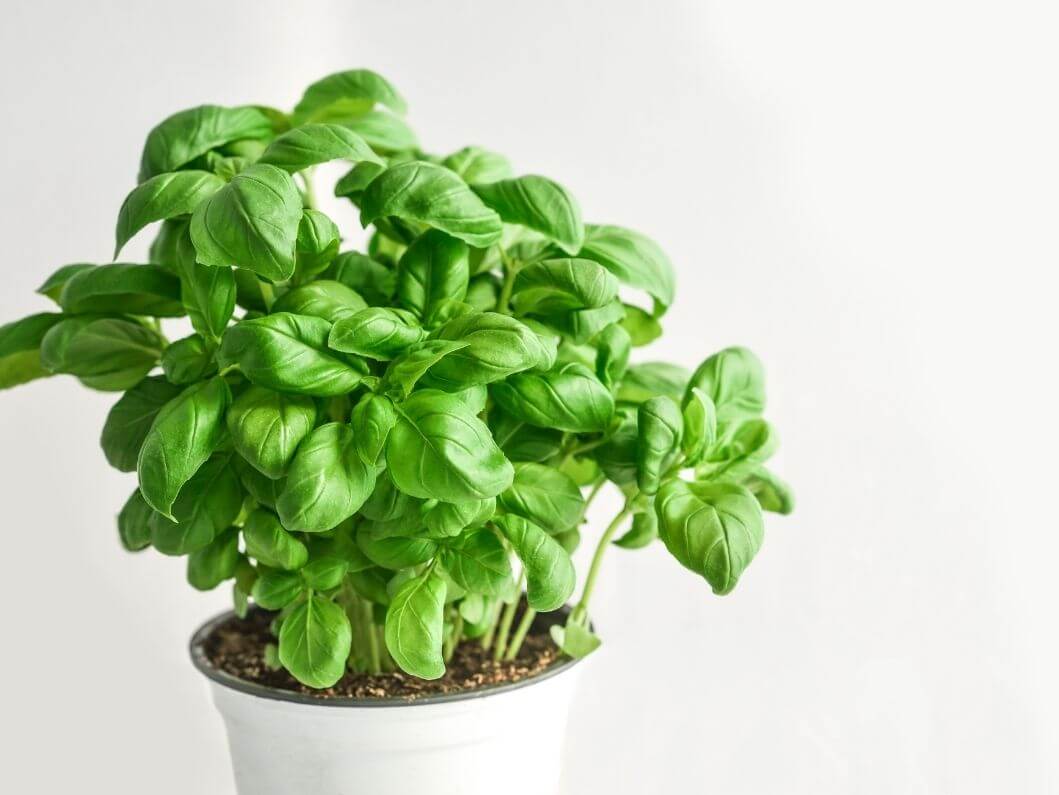
- Basil: Known for its sweet and peppery flavor, it’s a key ingredient in Italian cuisine, particularly in pesto and pasta sauces.
- Cilantro: Adds a fresh, citrusy taste to dishes, commonly used in Mexican and Asian cuisines.
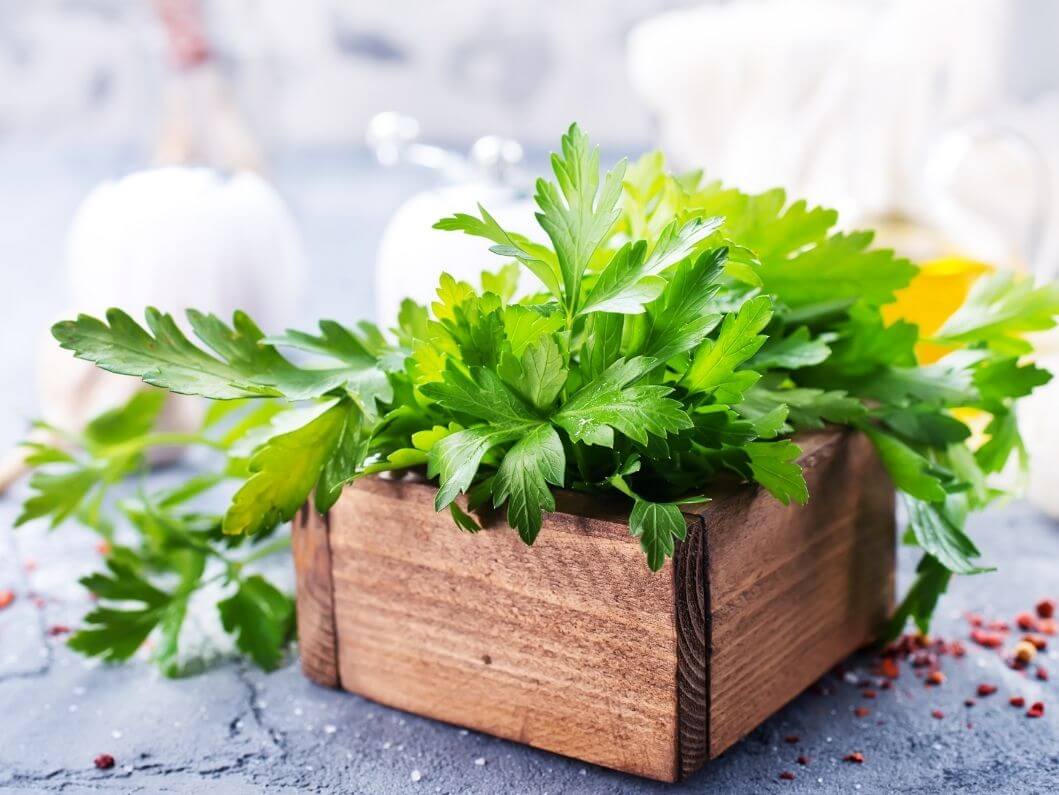
- Parsley: Provides a mild, fresh flavor and is often used as a garnish or in soups and salads.
- Dill: Offers a tangy, slightly bitter flavor, ideal for pickles and seafood dishes.
- Thyme: Has a subtle, earthy taste, often used in stews, roasts, and Mediterranean dishes.
- Rosemary: Known for its strong, pine-like flavor, it pairs well with roasted meats and potatoes.
Medicinal Herbs: Valued for their health benefits and therapeutic properties.
- Mint: Used for its soothing effect on the digestive system and its cooling sensation.
- Ginger: Provides anti-inflammatory benefits and aids in digestion.
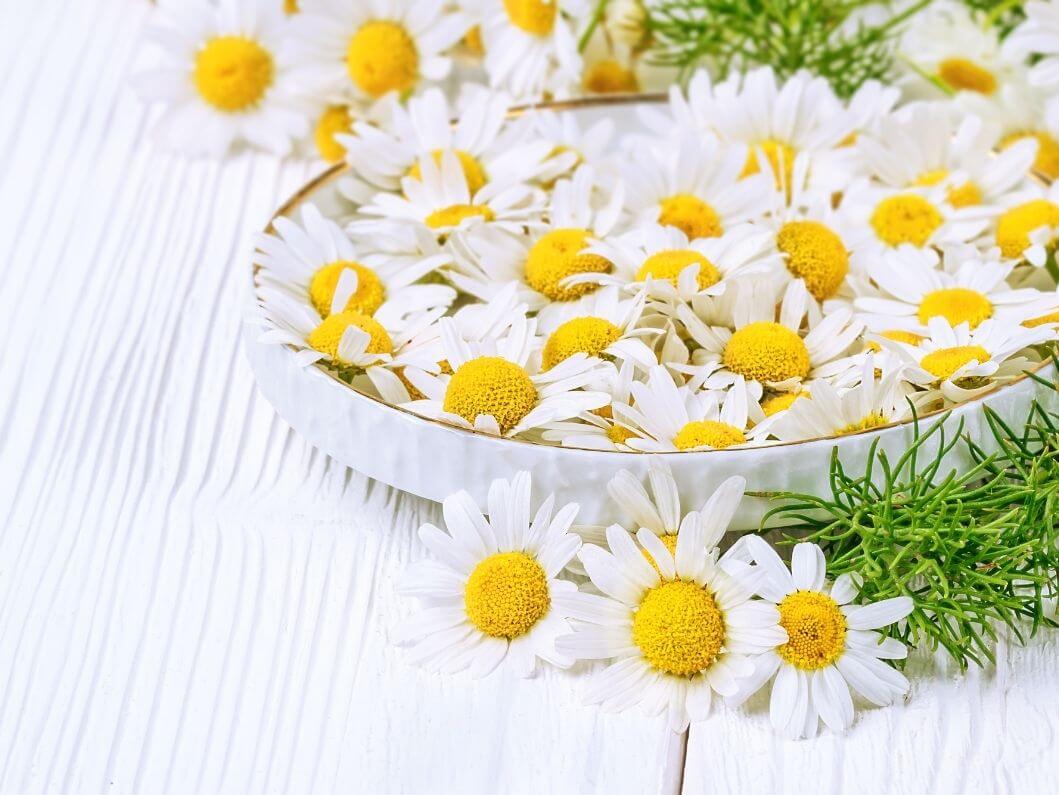
- Chamomile: Known for its calming effects and ability to aid in sleep and reduce stress.
Aromatic Herbs: Used for their fragrance as well as their culinary applications.
- Lavender: Imparts a floral aroma, used in both cooking and beauty products, and has calming properties.
- Sage: Offers a strong, earthy flavor, used in stuffing and poultry dishes, and has antimicrobial benefits.
Culinary and Medicinal Hybrids:
- Lemon Balm: Adds a lemony flavor to dishes and helps alleviate stress and anxiety.
- Rosemary: Besides its culinary uses, it’s known for enhancing memory and concentration.
-
02 Formulations of Fresh Herbs:
Whole Herbs: Utilized fresh for their full flavor and aroma. These herbs can be chopped, minced, or used as a whole, depending on the recipe. They are ideal for enhancing the taste of dishes and can be used as a garnish.
Herb Bundles: Herbs tied together in a bundle (often called a bouquet garni) are used for infusing flavors into dishes like soups and stews. This allows for easy removal after cooking while still imparting a rich taste.
Herb Infusions: Fresh herbs are steeped in liquids such as oils, vinegars, or syrups to create flavored ingredients. For example:
Herb-Infused Oils: Basil or rosemary can be infused into olive oil to add a unique flavor to dressings and dishes.
Herb-Infused Vinegars: Herbs like tarragon or thyme are used to create flavored vinegars for use in cooking and salads.
Herb Pastes: Fresh herbs blended with oils, garlic, or other ingredients create a concentrated paste. These pastes can be used as marinades, rubs, or sauces, offering robust flavors with minimal effort. Examples include pesto (basil paste with pine nuts and Parmesan) and harissa (a chili paste).
Herb Teas: Fresh herbs are brewed into teas to harness their health benefits. For instance:
- Chamomile Tea: Known for its calming effects and aid in sleep.
- Mint Tea: Refreshing and soothing for the digestive system.
Herb Extracts: Concentrated forms of herbs, often used in tinctures or extracts. These are utilized in small amounts for flavoring or therapeutic purposes. They offer a potent way to benefit from herbs’ properties, such as echinacea for immune support or valerian for sleep.
Herb Salts and Sugars: Fresh herbs can be combined with salt or sugar to create flavored seasonings. Herb salts can be used to season meats and vegetables, while herb sugars can add a unique twist to baked goods and desserts.
Herb Blends: Mixed combinations of herbs, such as Herbes de Provence or Italian seasoning, provide complex flavors for various dishes. These blends can include dried or fresh herbs and are used to season meats, vegetables, and sauces.



2000+
Manufacturers