

Your Herbs and Spices. Your Recipe. The Right Contract Manufacturer.
Aromatic spices are essential ingredients in culinary arts, offering a diverse range of flavors, aromas, and potential health benefits. These spices not only elevate the taste of dishes but also contribute to a more enjoyable and healthful eating experience. Beyond their culinary uses, many aromatic spices have been recognized for their therapeutic properties, making them valuable in traditional medicine and modern wellness practices.
-
01 Types of Aromatic Spices:
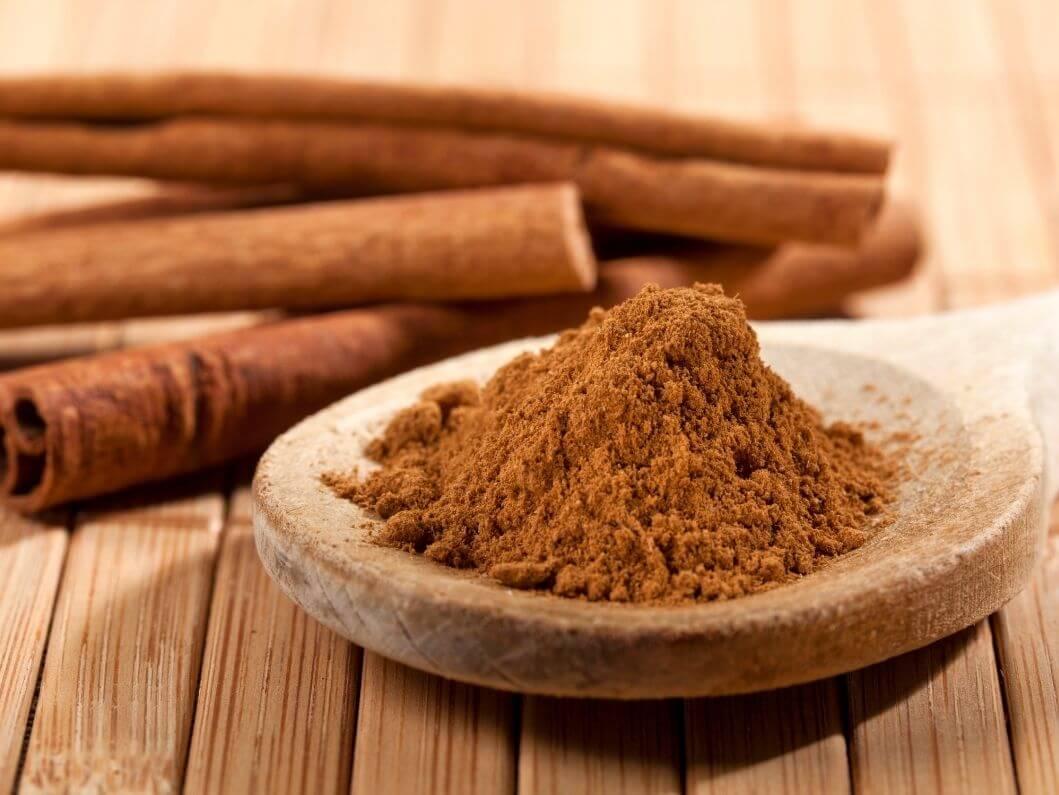
- Cinnamon: This warm, sweet spice is used in baking, stews, and beverages. Cinnamon contains cinnamaldehyde, which is thought to have anti-inflammatory and antioxidant effects. It’s also used in traditional medicine to support blood sugar regulation and digestive health.
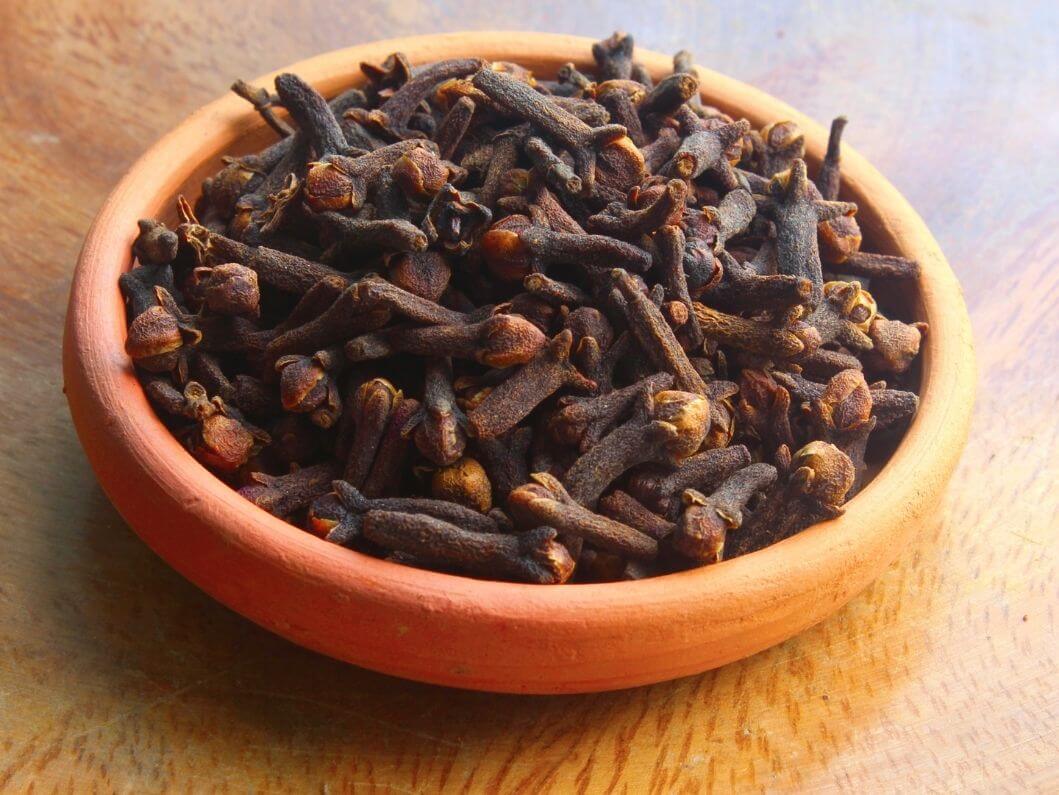
- Cloves: Cloves have a strong, pungent flavor and are used in spice blends, marinades, and desserts. They contain eugenol, a compound with analgesic and antiseptic properties, which may help in oral health and pain relief.
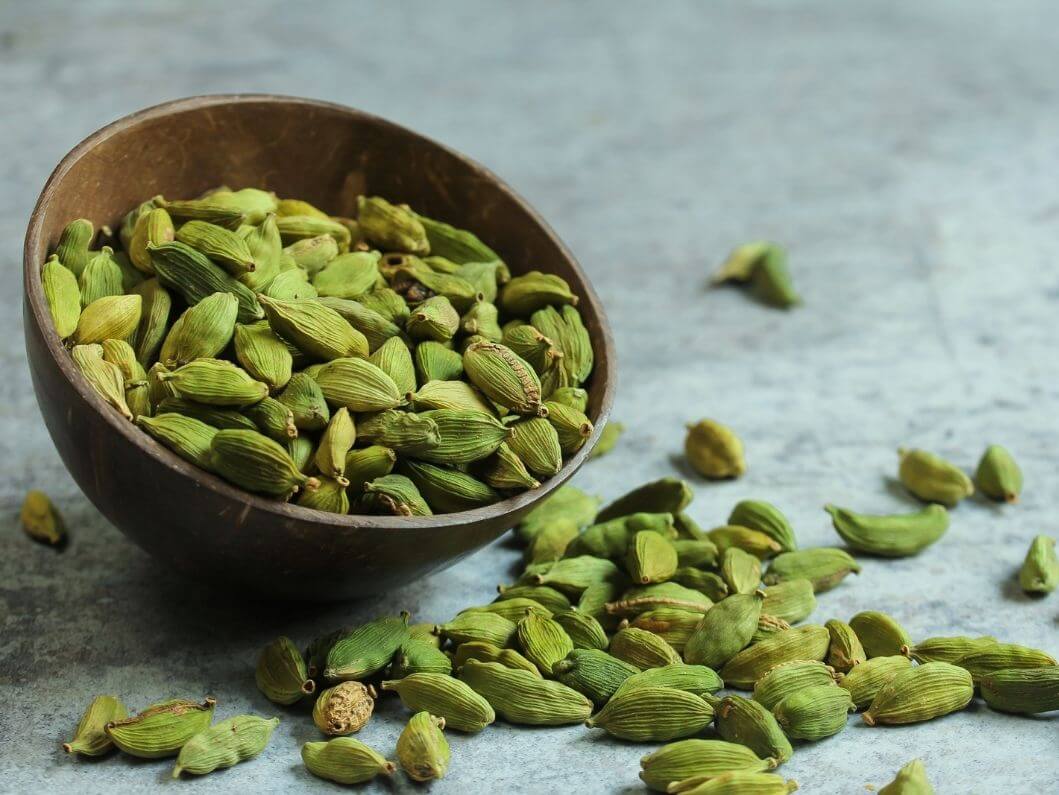
- Cardamom: Known for its complex flavor, cardamom is used in both sweet and savory dishes. It’s often added to coffee and tea in some cultures. Cardamom is rich in essential oils that may aid in digestion, respiratory health, and freshening breath.
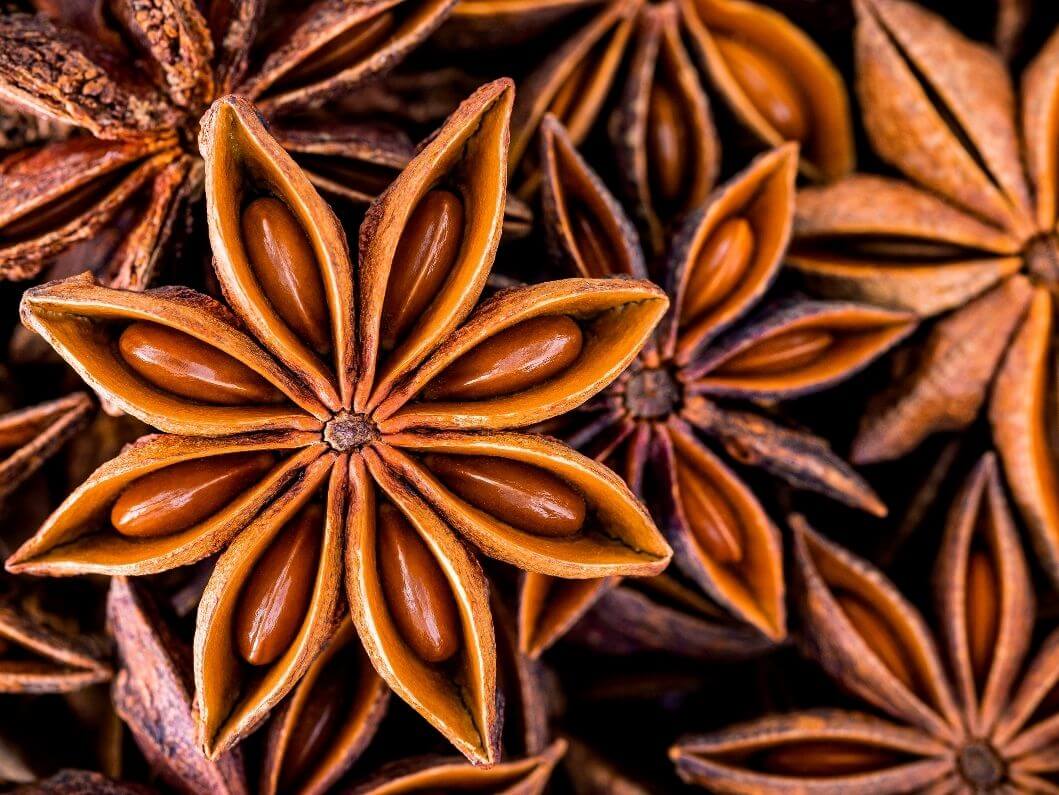
- Star Anise: This spice is characterized by its star-shaped pods and strong, licorice-like flavor. Star anise is used in Asian cuisine and in spice blends like Chinese five-spice. It contains anethole, which has potential antimicrobial and digestive benefits.
- Coriander: Coriander seeds provide a citrusy, nutty flavor and are used in spice blends, soups, and curries. The seeds are known for their digestive benefits, and the leaves, or cilantro, are used fresh in salads and salsas. Coriander has compounds that may support overall health and digestion.
- Fennel Seeds: Fennel seeds offer a sweet, anise-like flavor and are used in dishes from various cuisines. They are believed to support digestion, alleviate bloating, and have potential anti-inflammatory effects.
- Nutmeg: Nutmeg provides a warm, nutty flavor and is commonly used in baked goods, soups, and beverages. It contains compounds like myristicin, which may have anti-inflammatory and antioxidant effects. Nutmeg is also used in traditional medicine to support sleep and digestion.
- Pepper: Black, white, and green peppercorns are used for their varying levels of spiciness and complex flavors. Pepper contains piperine, which enhances the absorption of other nutrients and has potential digestive and antioxidant benefits.
- Turmeric: Turmeric’s vibrant yellow color and earthy flavor make it a key ingredient in curries and soups. Curcumin, the active compound in turmeric, is widely studied for its anti-inflammatory and antioxidant properties, potentially supporting joint health and overall well-being.
-
02 Formulations of Aromatic Spices:
- Whole Spices: Whole spices like cinnamon sticks, cloves, and cardamom pods retain their flavor longer and are often ground or crushed before use. They are ideal for long cooking times, where their flavors can infuse into dishes.
- Ground Spices: These are spices that have been pulverized into a fine powder, such as ground cinnamon or ground nutmeg. Ground spices are convenient for quick use but can lose potency over time, so they should be stored in airtight containers in a cool, dark place.
- Blends: Spice blends, such as garam masala or pumpkin spice, combine multiple aromatic spices to create complex flavors. These blends are convenient for adding multiple flavors at once and are commonly used in various cuisines.
- Extracts and Essential Oils: Concentrated forms of spices, such as vanilla extract or cinnamon oil, are used for flavoring. They are potent and require careful use to avoid overpowering dishes. Essential oils from spices like clove and peppermint are used in aromatherapy and for their potential therapeutic benefits.
- Infusions and Teas: Some spices are used to make infusions or teas, such as turmeric tea or cinnamon-infused water. These preparations can provide the health benefits of the spices in a soothing and drinkable form.
- Capsules and Supplements: For therapeutic purposes, spices like turmeric and ginger are available in capsule or supplement form. These are used to deliver concentrated doses of the active compounds found in the spices, often for specific health benefits.

2000+
Manufacturers