

Your Herbs and Spices. Your Recipe. The Right Contract Manufacturer.
Cooling herbs are celebrated for their ability to balance internal heat and offer relief from a range of heat-related conditions. Their use spans various forms of traditional medicine and modern wellness practices, aimed at cooling the body, soothing inflammation, and enhancing overall comfort.
-
01 Benefits of Cooling Herbs:
- Temperature Regulation: Cooling herbs help to stabilize body temperature by promoting a cooling sensation, which is beneficial for managing fevers, hot flashes, or excessive heat during hot weather.
- Anti-Inflammatory Properties: These herbs are often rich in compounds that reduce inflammation, alleviating symptoms like redness, swelling, and discomfort in both external and internal conditions.
- Hydration Support: Many cooling herbs help maintain fluid balance, which is essential for hydration and overall health, particularly in hot climates or after intense physical activity.
- Soothing Effects: They offer relief from various heat-related discomforts, including burning sensations, sweating, and skin irritations, contributing to a more comfortable and balanced state.
- Digestive Health: Cooling herbs can help soothe digestive disturbances caused by internal heat, such as acid reflux or indigestion, by calming the digestive tract and reducing inflammation.
-
02 Types of Cooling Herbs:
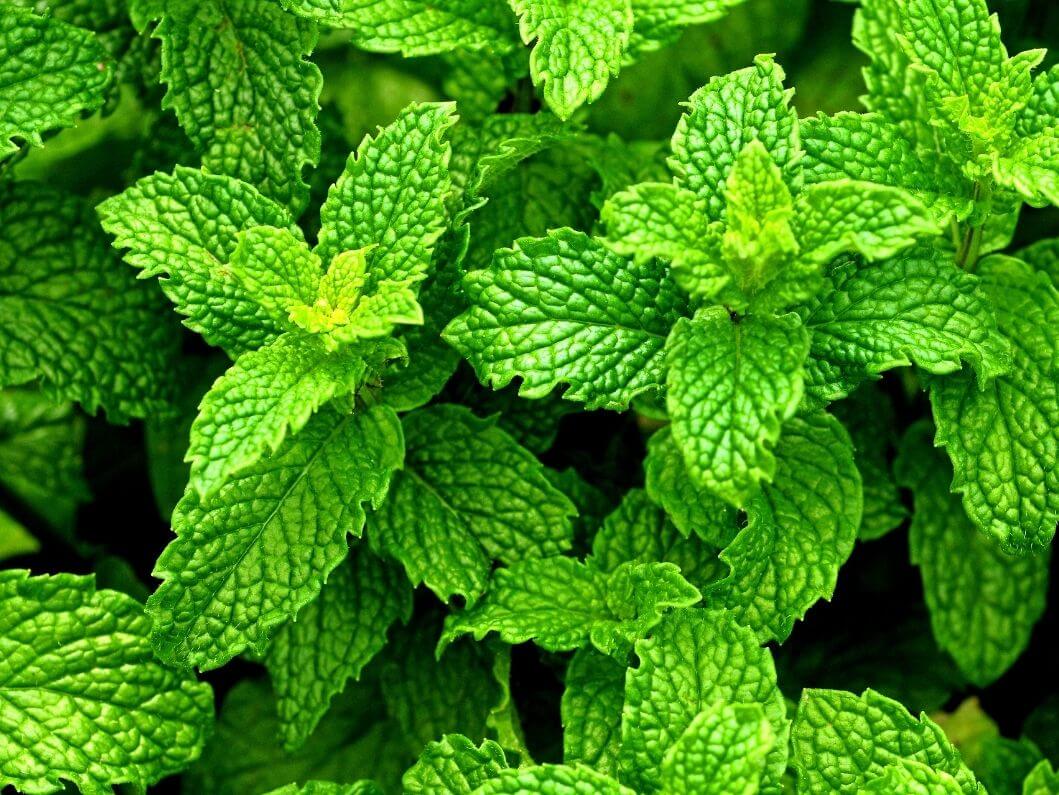
- Peppermint: Peppermint’s cooling effect comes from its menthol content, making it ideal for easing headaches, relieving muscular pain, and soothing digestive issues. It can be used as a tea, essential oil, or in topical applications.
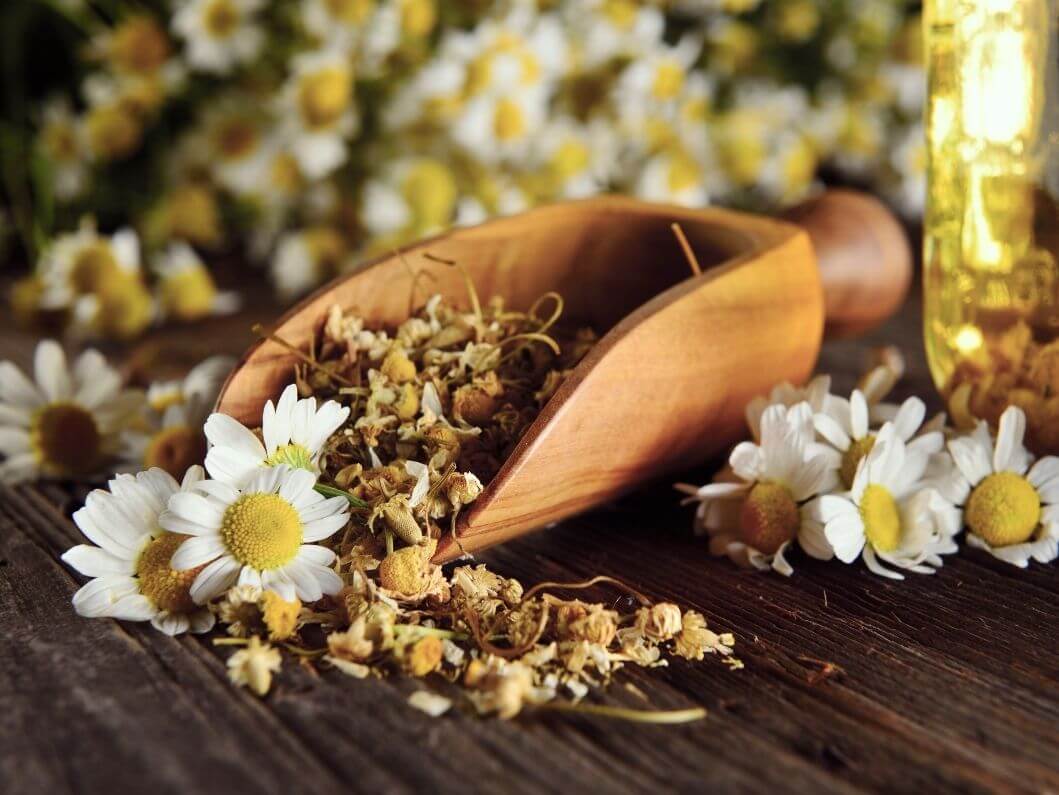
- Chamomile: Chamomile is renowned for its calming effects on the body and mind. It is used in teas and topical applications to reduce inflammation, alleviate skin irritations, and support digestive health.
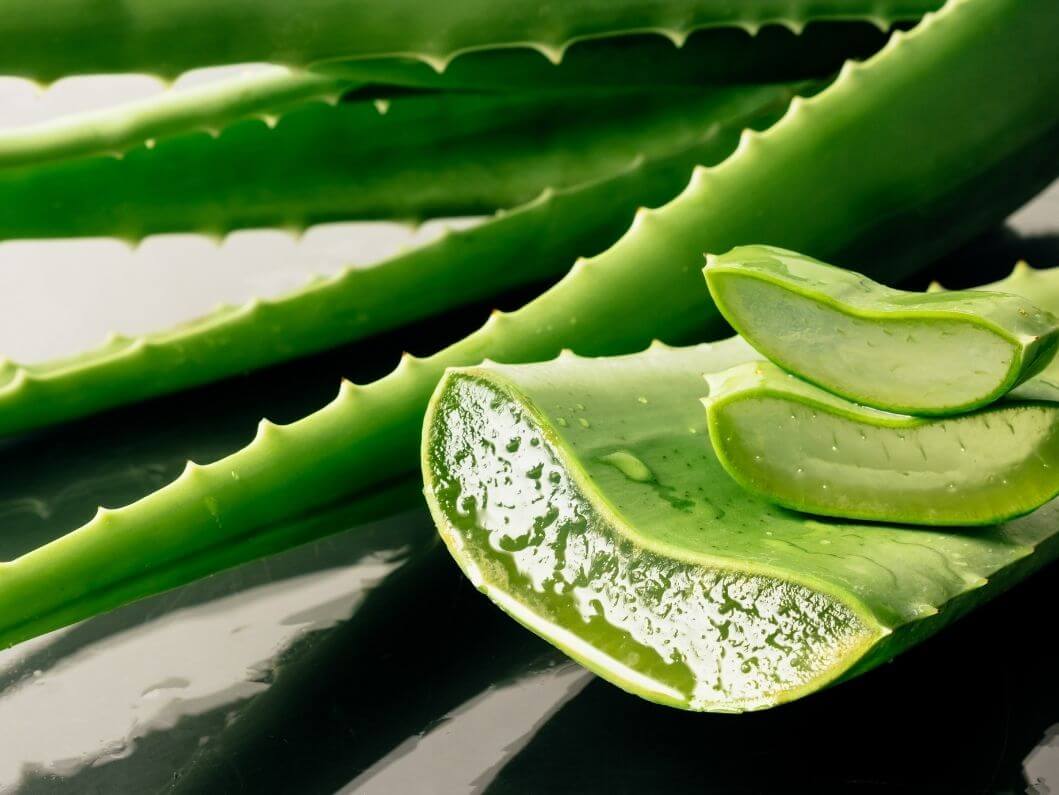
- Aloe Vera: Aloe vera is versatile, with its cooling gel used for topical relief of sunburns, minor burns, and skin irritations. Internally, it helps with digestive health and hydration.
- Elderflower: Elderflower is traditionally used to reduce fever, soothe respiratory discomfort, and address skin conditions. It is often consumed as a tea or in tincture form.
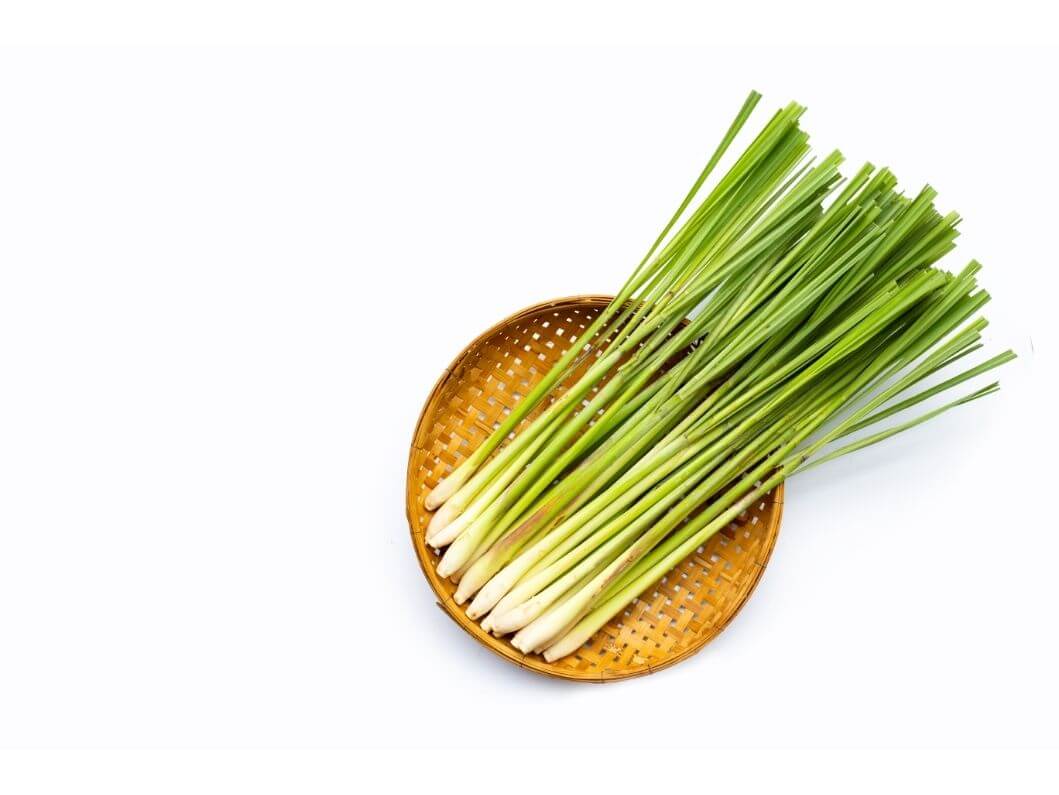
- Lemongrass: With its refreshing aroma and cooling properties, lemongrass is used to aid digestion, reduce fever, and relieve stress. It can be enjoyed in teas, culinary dishes, or as an essential oil.
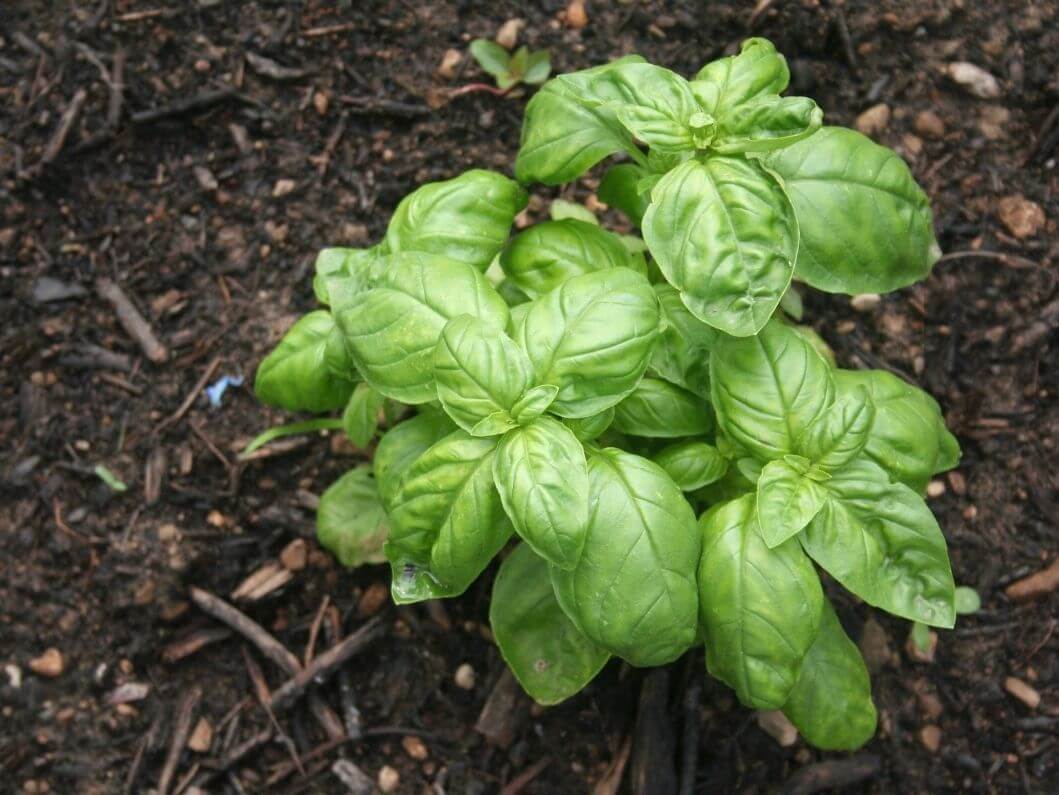
- Basil: Particularly holy basil (Tulsi), is known for its ability to balance body heat and support respiratory health. It is used in teas, extracts, and culinary applications.
- Fennel: Fennel seeds have a cooling effect on the body and are used to alleviate digestive issues, reduce bloating, and balance internal heat.
-
03 Formulations of Cooling Herbs:
- Teas: Herbal teas made from cooling herbs offer a soothing way to enjoy their benefits. They are ideal for hydration, easing digestive discomfort, and providing a gentle cooling effect.
- Tinctures: Concentrated extracts of cooling herbs in tincture form can be used to quickly address symptoms. These are often taken in small doses to support overall well-being.
- Essential Oils: Essential oils derived from cooling herbs like peppermint or lemongrass can be used topically (diluted) or in aromatherapy to relieve headaches, muscle pain, and stress.
- Topical Gels and Creams: Aloe vera gel, chamomile creams, and other topical preparations provide localized relief from skin irritations and inflammation.
- Capsules and Tablets: For those who prefer a more convenient form, cooling herb capsules or tablets offer a concentrated dose of the herb’s active compounds for internal use.
- Hydrosols: These are floral waters made during the distillation of essential oils, such as chamomile or rose water, used for their gentle cooling and soothing effects on the skin.
- Powders: Cooling herb powders can be added to drinks or foods for a quick and effective way to benefit from their properties. They are especially useful in smoothies or health supplements.

2000+
Manufacturers