

Your Baby Food. Your Recipe. The Right Contract Manufacturer.
Baby cereals are specially formulated foods designed to provide essential nutrients during the early stages of an infant’s growth and development. These cereals are typically the first solid foods introduced to babies, serving as a crucial source of iron, vitamins, and minerals that support healthy growth. Baby cereals are often fortified to meet the specific dietary needs of infants, ensuring they receive adequate nutrition as they transition from a milk-only diet to more diverse solid foods. The texture, consistency, and nutritional profile of baby cereals are carefully crafted to be easily digestible and gentle on a baby’s developing digestive system.
Regular inclusion of baby cereals in an infant’s diet not only supports their physical development but also introduces them to new flavors and textures, fostering healthy eating habits early on. These cereals are typically free from artificial additives, preservatives, and allergens, making them a safe and nutritious choice for young children.
-
01 Types of Baby Cereals:
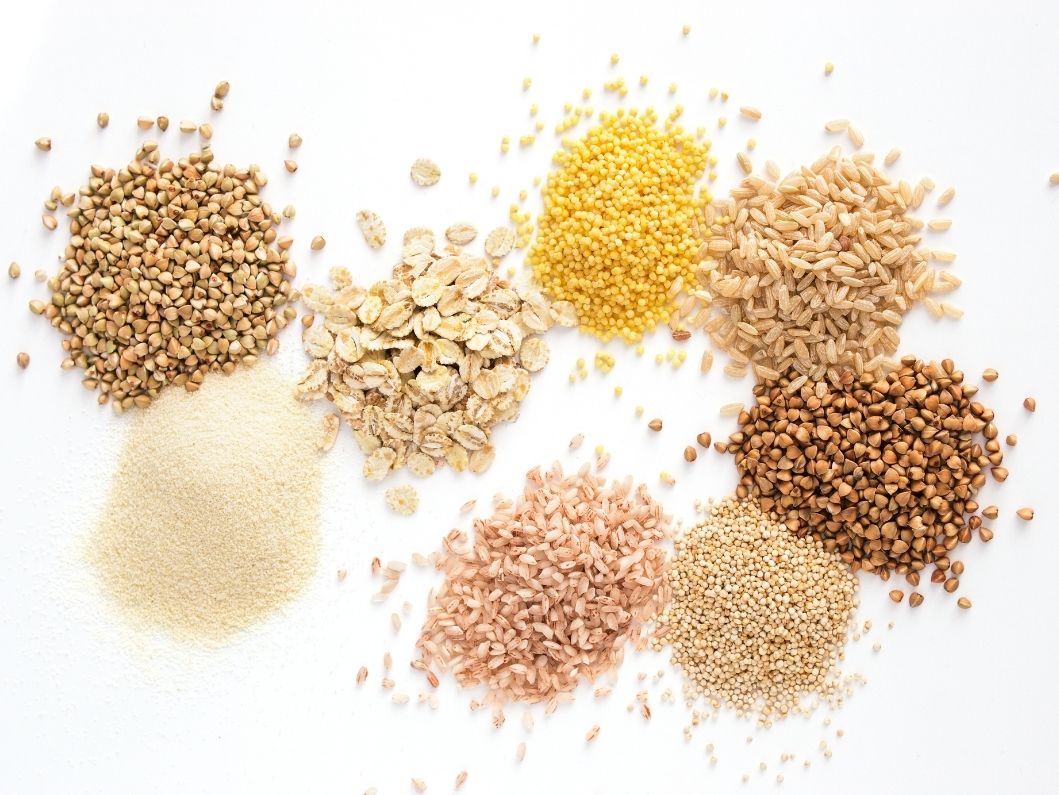
Single-Grain Cereals:
- Rice Cereal: Often the first type of cereal introduced to babies, rice cereal is gentle on the stomach and hypoallergenic. It is easy to digest and can be mixed with breast milk or formula to create a smooth consistency.
- Oat Cereal: A heartier option, oat cereal provides additional fiber, which can be beneficial for babies experiencing constipation. It has a naturally mild flavor that can be mixed with other foods as babies grow.
- Barley Cereal: Barley cereal offers a nutty flavor and a good source of fiber and other nutrients. It is often introduced after rice and oat cereals.
Multi-Grain Cereals:
- Blended Cereals: These combine two or more grains, such as rice, oats, and barley, offering a balanced mix of nutrients and flavors. Multi-grain cereals can help diversify an infant’s diet and introduce them to different textures.
- Ancient Grain Cereals: Incorporating grains like quinoa, amaranth, or millet, these cereals are rich in protein and amino acids, providing a nutritious alternative to traditional grains.
Fortified Cereals:
- Iron-Fortified Cereals: These are specifically designed to address the common deficiency of iron in infants, providing a critical nutrient that supports brain development and the production of healthy red blood cells.
- Vitamin-Enriched Cereals: These cereals are fortified with additional vitamins such as Vitamin C, D, and B-complex vitamins to support overall health and immune function.
Organic and Non-GMO Cereals:
- Organic Baby Cereals: Made from organically grown grains, these cereals are free from pesticides, synthetic fertilizers, and genetically modified organisms (GMOs), ensuring a pure and natural option for health-conscious parents.
- Non-GMO Cereals: Similar to organic cereals but specifically focused on avoiding genetically modified ingredients, offering parents peace of mind regarding the origin of the grains.
-
02 Formulations of Baby Cereals:
Instant Baby Cereals:
- Powdered Form: These are the most common and versatile form of baby cereals. The powder is mixed with liquid, such as breast milk, formula, or water, to create a smooth, spoonable texture. It allows parents to control the thickness and consistency based on the baby’s developmental stage.
Pre-Mixed Cereals:
- Ready-to-Serve: Available in jars or pouches, these cereals come pre-mixed and ready to feed. They are convenient for on-the-go feeding and require no preparation, making them ideal for busy parents.
Cereal Bars:
- Snack Form: As babies grow and develop their pincer grasp, cereal bars offer a more solid, yet still gentle, introduction to finger foods. These bars are often fortified and can be made from the same grains as powdered cereals.
Stage-Based Formulations:
- Stage 1 Cereals: Designed for initial introduction to solids, these cereals are finely ground and easily digestible, with a single grain to minimize the risk of allergies.
- Stage 2 Cereals: Slightly thicker in texture, these are suitable for older babies who are ready for more complex flavors and consistencies. They may include a mix of grains and additional nutrients.
- Stage 3 Cereals: For toddlers, these cereals have a chunkier texture and may include small pieces of fruit or vegetables, helping children transition to more textured solid foods.
Flavor-Infused Cereals:
- Fruity Blends: Infused with natural fruit flavors like apple, banana, or pear, these cereals offer a sweet taste without added sugars. They can be an excellent way to introduce fruits into an infant’s diet.
- Vegetable Blends: Incorporating vegetable powders like sweet potato or carrot, these cereals provide additional nutrients and introduce savory flavors to a baby’s palate.

2000+
Manufacturers