

Your Oils. Your Recipe. The Right Contract Manufacturer.
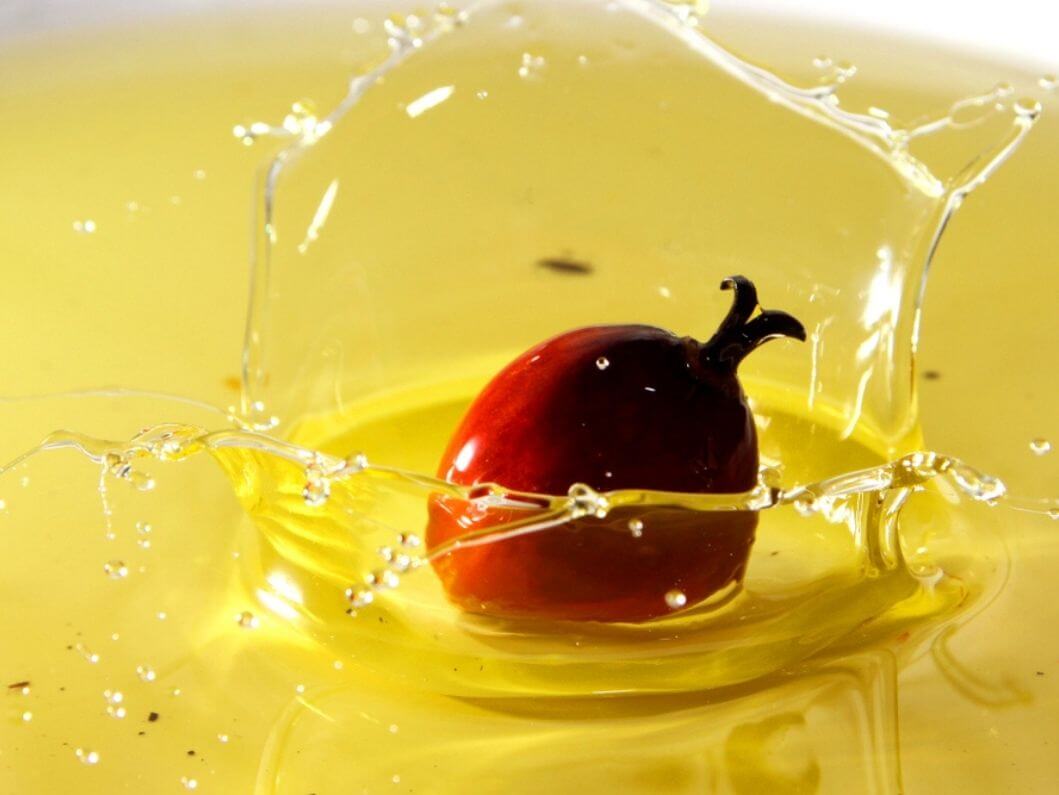
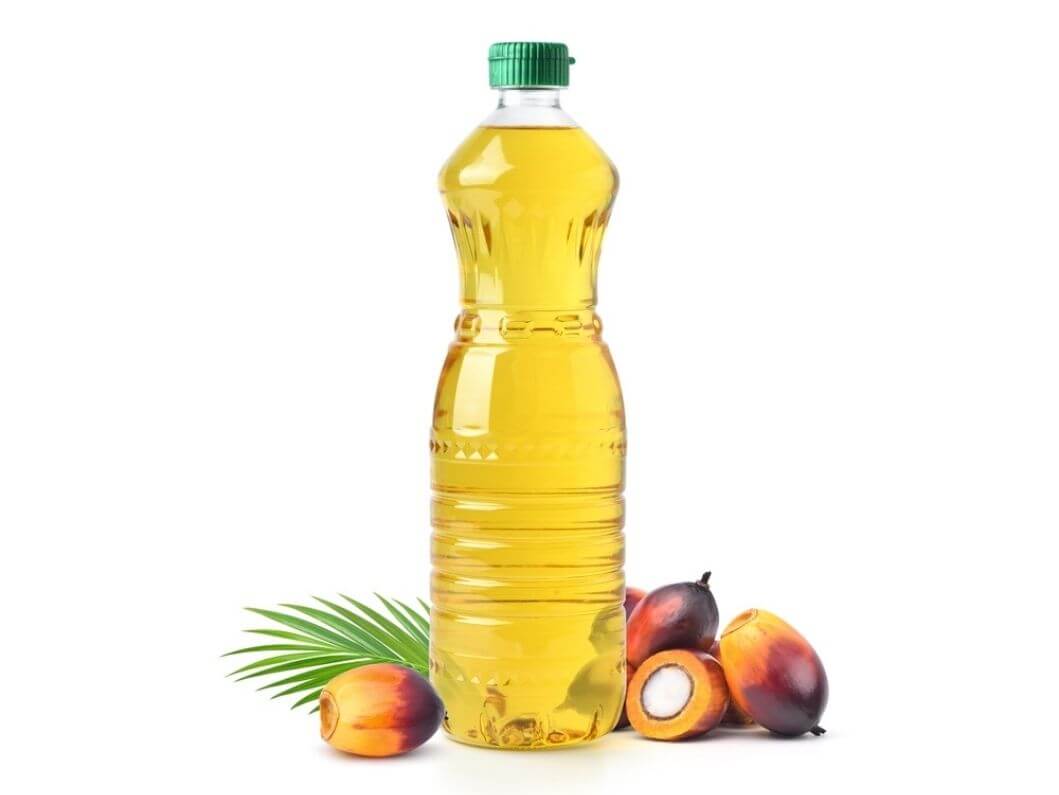
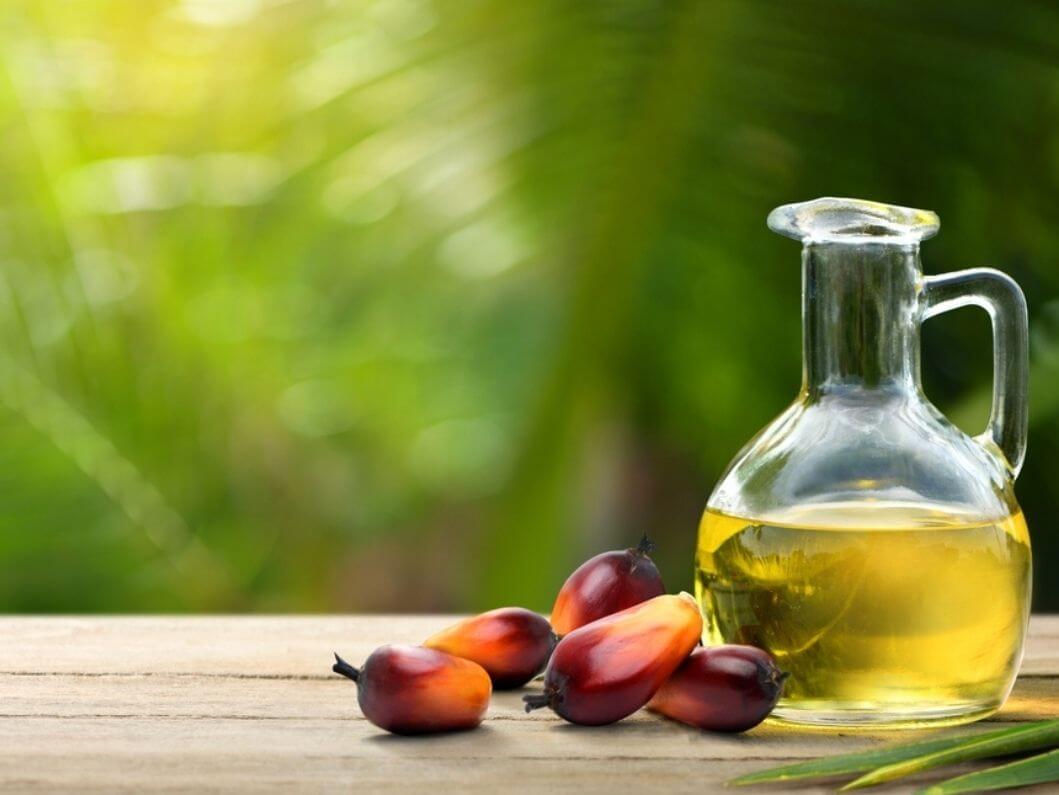
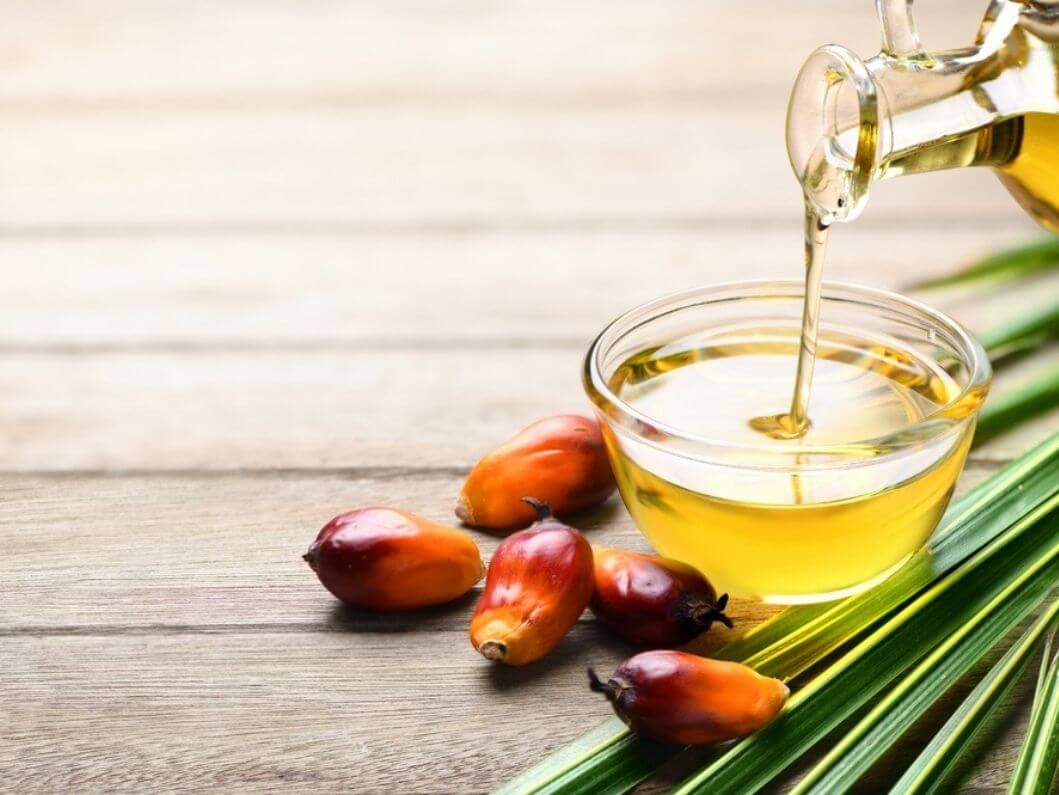
Palm oil is a versatile vegetable oil derived from the fruit of the oil palm tree, primarily grown in tropical regions. It has gained popularity in various industries due to its unique properties, making it an essential ingredient in food production, cosmetics, and biofuels. Its balanced composition of saturated and unsaturated fatty acids contributes to its stability, extended shelf life, and ability to withstand high temperatures during cooking. Moreover, palm oil is a source of essential vitamins, particularly vitamin A and E, which enhance its nutritional profile.
Regular use of palm oil in culinary applications not only enhances flavor but also adds a rich golden color to dishes. In the cosmetic industry, palm oil serves as an effective moisturizer, providing nourishment to the skin and hair while maintaining texture and stability in formulations. The growing demand for sustainable palm oil has led to the adoption of eco-friendly practices, ensuring that production meets environmental and social standards.
-
01 Types of Palm Oil:
- Crude Palm Oil (CPO): Extracted from fresh fruit bunches, this unrefined oil retains its natural flavor and nutrients, making it suitable for cooking and frying.
- Refined Palm Oil: Processed to remove impurities, this oil has a neutral flavor and is ideal for frying, baking, and general cooking purposes.
- Palm Kernel Oil: Sourced from the seeds of the oil palm fruit, this oil is rich in lauric acid and is commonly used in confectionery and personal care products.
- Fractionated Palm Oil: Created by separating the oil into solid and liquid components, this type is often used in baking and as a stabilizer in margarine.
- Sustainable Palm Oil: Certified by organizations like the Roundtable on Sustainable Palm Oil (RSPO), this oil ensures environmentally friendly practices and fair labor conditions.
-
02 Formulations of Palm Oil:
- Liquid Oils: Used for frying, baking, and salad dressings, these formulations retain the oil’s natural flavor and health benefits.
- Solid Fats: Processed to create a semi-solid texture, solid palm oil is often used in margarine, spreads, and confectionery products, providing stability and a creamy mouthfeel.
- Palm Oil Shortenings: Blended with other oils to create a versatile shortening used in baked goods, ensuring improved texture and extended shelf life.
- Emulsions: Combining palm oil with water and emulsifiers, these formulations are used in dressings, sauces, and spreads, offering a creamy consistency.
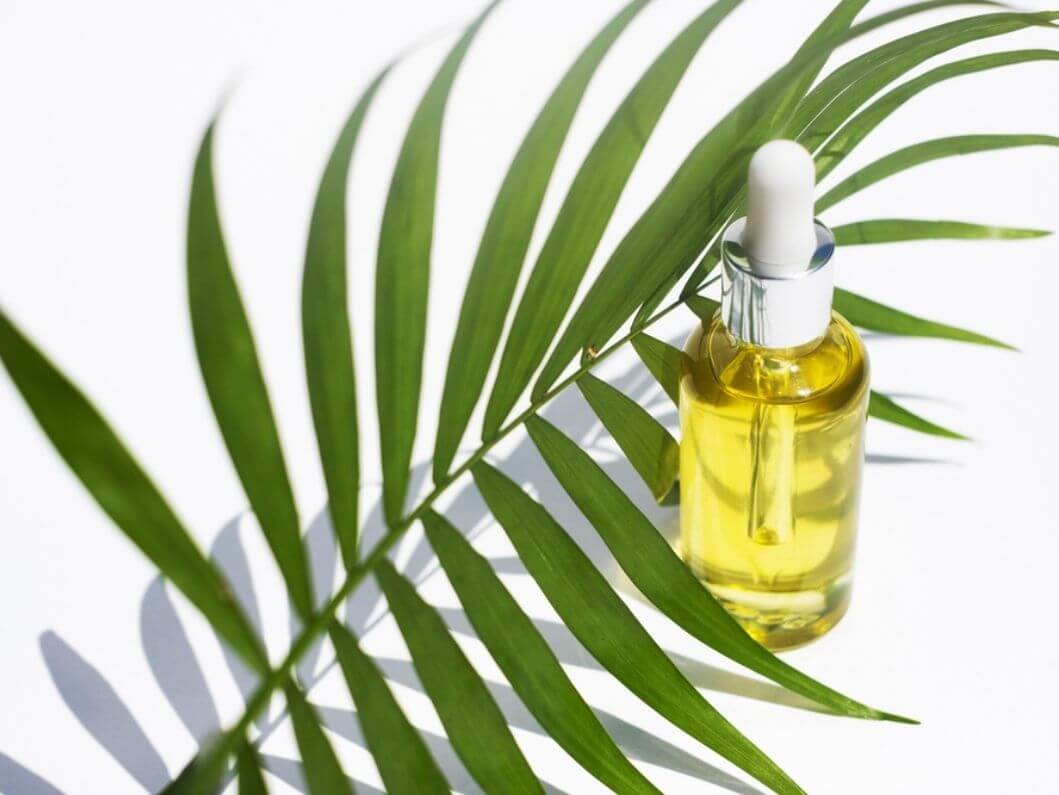
- Cosmetic Formulations: Incorporated into lotions, creams, and shampoos, palm oil provides moisturizing properties while enhancing the texture and stability of the product.

2000+
Manufacturers