

Your Dairy. Your Recipe. The Right Contract Manufacturer.
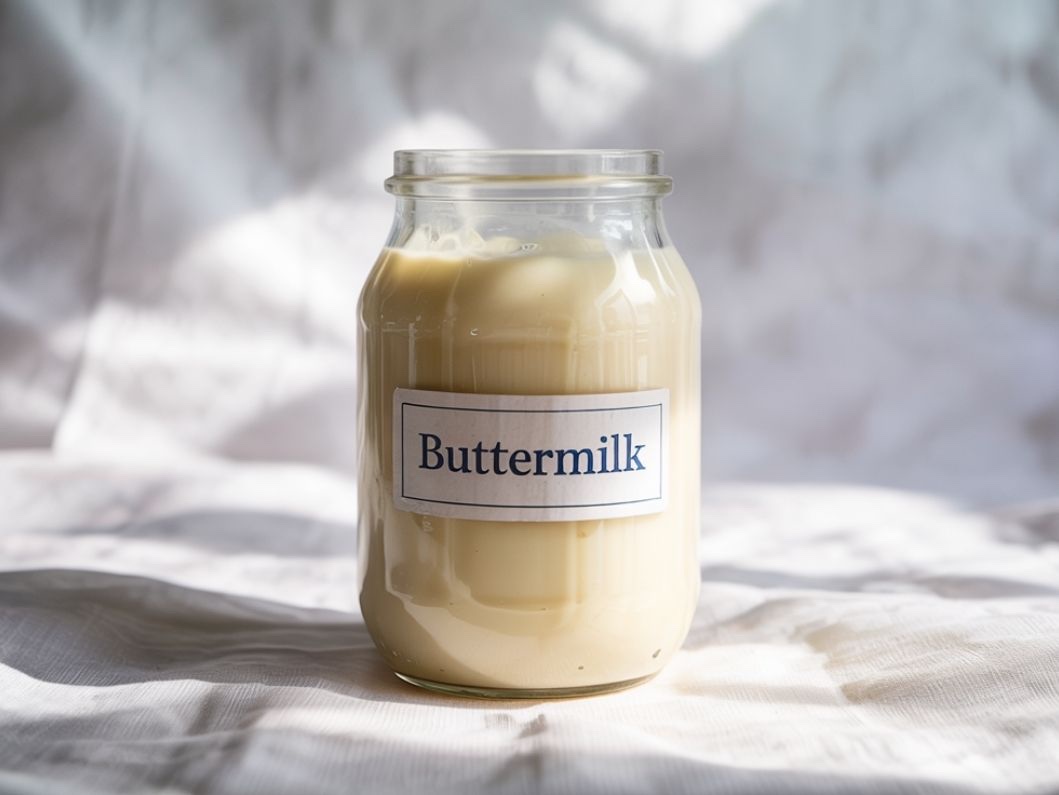
Buttermilk is a cultured dairy product known for its tangy flavor and creamy texture, making it a valuable addition to a wide range of culinary creations. Rich in nutrients, including calcium, potassium, and B vitamins, buttermilk not only enhances flavor but also contributes to healthier recipes. Its acidity allows it to tenderize meats and act as a leavening agent in baked goods, promoting a light and airy texture. Buttermilk is essential in both home kitchens and commercial food settings, where it plays a critical role in enhancing dishes, beverages, and baked products.
-
01 Types of Buttermilk

- Cultured Buttermilk: This is the most common type, produced by fermenting low-fat milk or whole milk with specific bacterial cultures. Cultured buttermilk is widely used in baking, salad dressings, and marinades.
- Buttermilk Powder: A dehydrated form of buttermilk, this ingredient is perfect for recipes where liquid buttermilk isn’t practical. It can be reconstituted with water or used directly in dry mixes, providing convenience and extended shelf life.
- Non-Dairy Buttermilk Alternatives: These products mimic the flavor and acidity of traditional buttermilk and are made from plant-based ingredients, such as soy or almond milk, combined with acidifiers like lemon juice or vinegar. They cater to vegan and lactose-intolerant consumers, broadening the appeal of buttermilk-based recipes.
- Raw Buttermilk: This is less processed than cultured varieties, retaining more of the original nutrients and probiotics from the milk. Raw buttermilk is often sought after for its purported health benefits and is used in artisanal cooking.
- Greek Buttermilk: A thicker version of traditional buttermilk, Greek buttermilk offers a creamier texture and higher protein content. It is ideal for dips, dressings, and baking applications requiring a rich consistency.
-
02 Formulations of Buttermilk
- Liquid Formulation: Typically available in cartons or bottles, liquid buttermilk is ready to use for cooking, baking, and dressings. It can be poured directly into recipes for quick incorporation.
- Powdered Formulation: Buttermilk powder can be mixed with water to create a liquid form or incorporated directly into dry ingredients for pancakes, cakes, and bread mixes. It’s particularly beneficial in packaged goods where moisture control is essential.
- Fermented Cream Formulation: This variation is made from cream instead of milk, providing a richer flavor profile. It’s commonly used in gourmet sauces, whipped toppings, and desserts, offering a decadent touch.
- Buttermilk-Based Dressings: Pre-made dressings containing buttermilk are popular for salads and dips. These formulations combine buttermilk with herbs, spices, and other flavorings for convenient use in culinary applications.
- Buttermilk Marinades: Ready-to-use marinades featuring buttermilk are available for tenderizing and flavoring meats and poultry. These formulations often include additional seasonings, making them convenient for home cooks and chefs alike.

2000+
Manufacturers