

Your Noodles. Your Recipe. The Right Contract Manufacturer.
Vietnamese noodles are a vital component of Vietnamese cuisine, known for their delicate texture and versatility. Made from rice flour or other grains, these noodles can be found in various forms and are essential for a wide range of traditional dishes, including pho, bun, and hu tieu. Their light and chewy consistency allows them to absorb flavors beautifully, making them a favorite choice for both home cooks and professional chefs.
-
01 Importance of Vietnamese Noodles
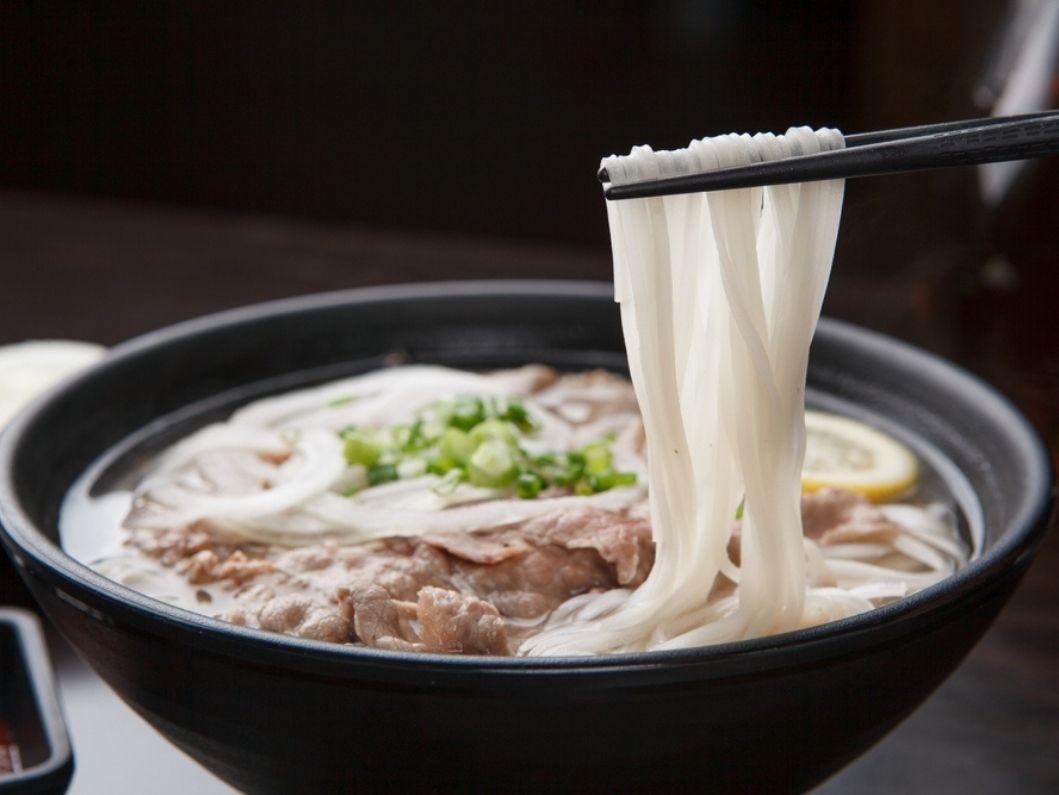
Vietnamese noodles offer a unique culinary experience, combining tradition with adaptability. They serve as a canvas for various flavors and ingredients, enabling the creation of fresh and aromatic dishes. Rich in carbohydrates, these noodles provide energy while being gluten-free, making them suitable for those with dietary restrictions. Their use extends beyond traditional dishes; they can be incorporated into salads, stir-fries, and cold dishes, enhancing meals with their unique taste and texture.
-
02 Types of Vietnamese Noodles
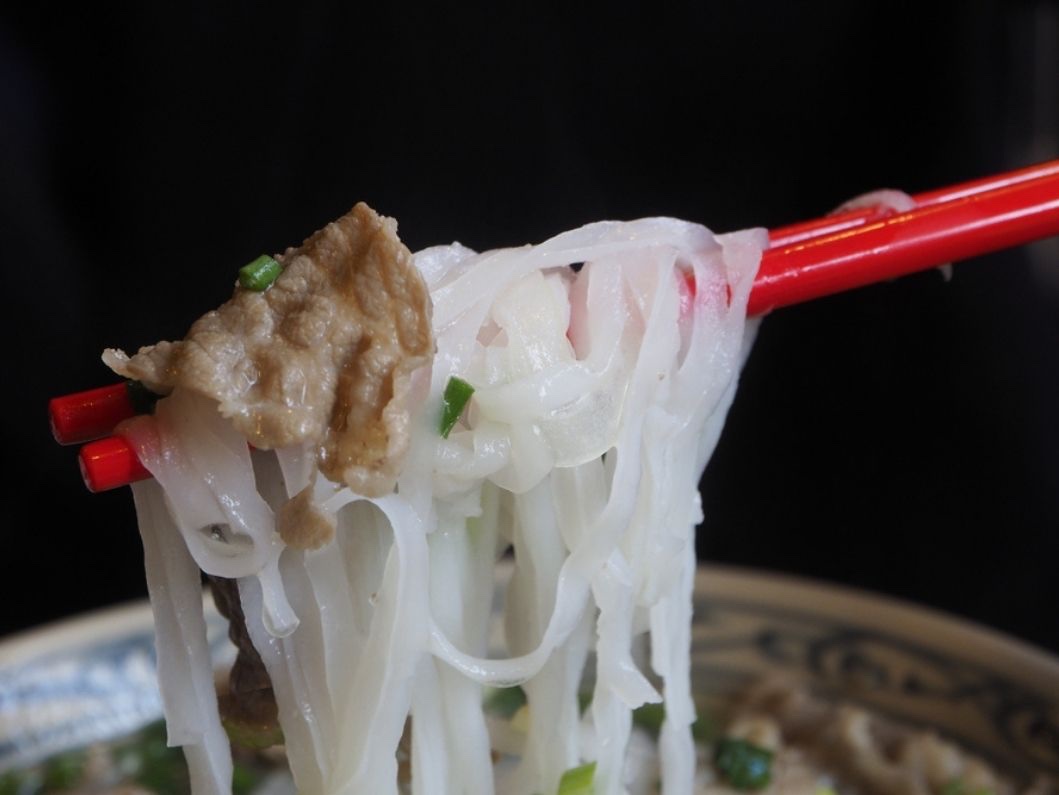
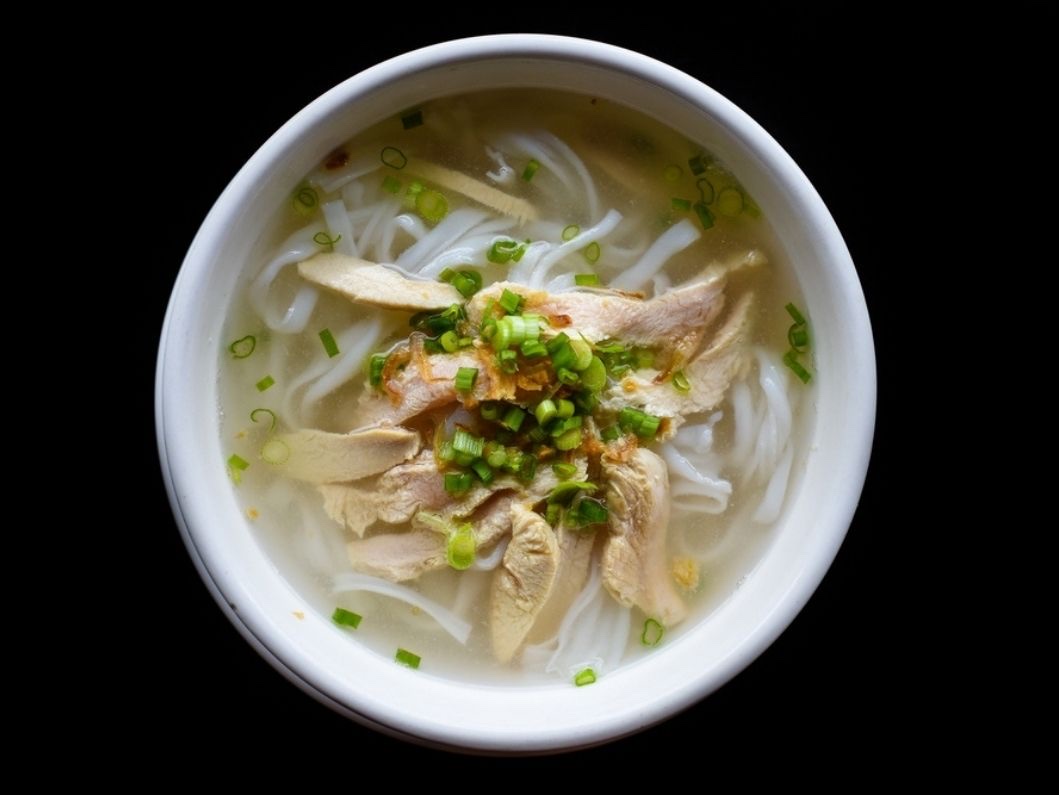
- Bánh phở: Flat rice noodles, commonly used in pho, known for their wide shape and chewy texture. They are ideal for absorbing the rich flavors of broth.
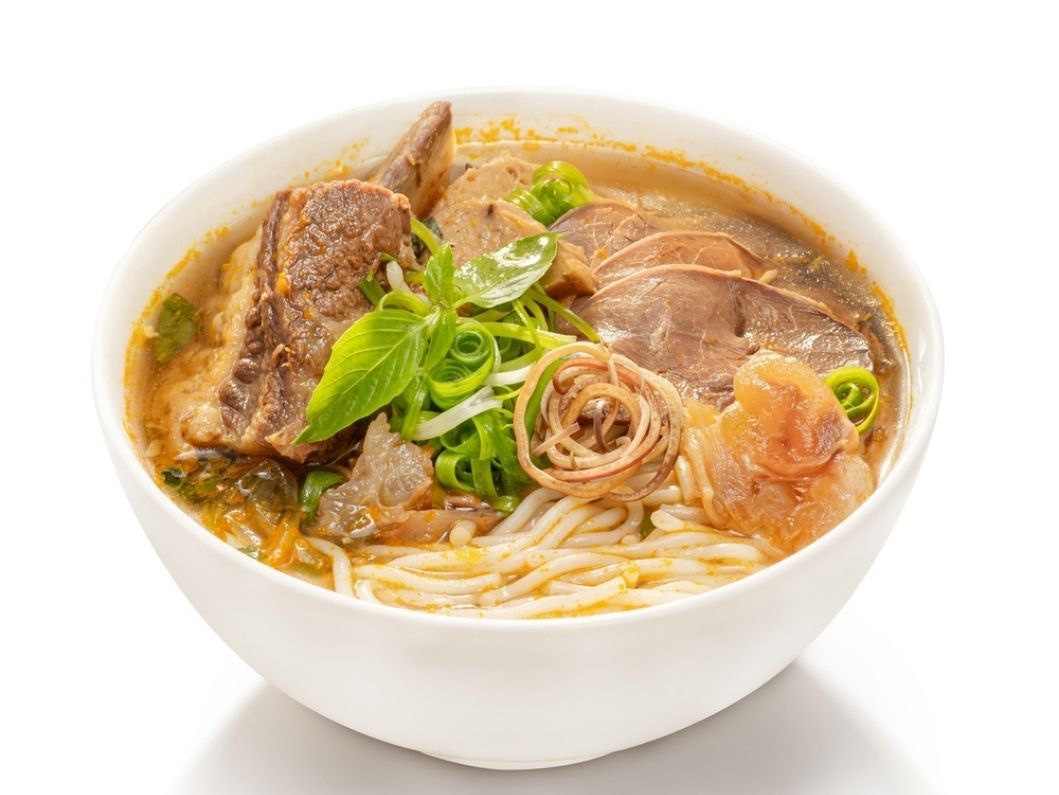
- Bún: Thin rice vermicelli noodles, often served cold in salads or hot in soups. Their fine texture pairs well with a variety of meats and vegetables.
- Hủ tiếu: Rice noodles that can be served in both broth and stir-fried dishes. They have a slightly thicker texture, adding heartiness to meals.
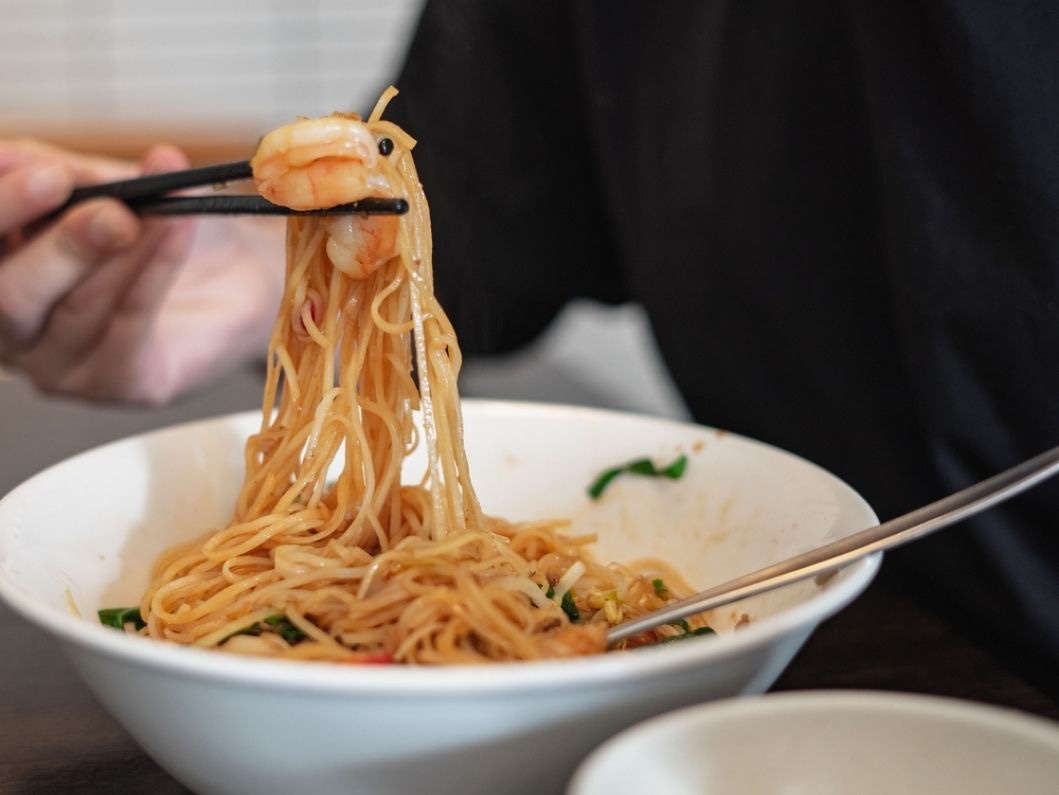
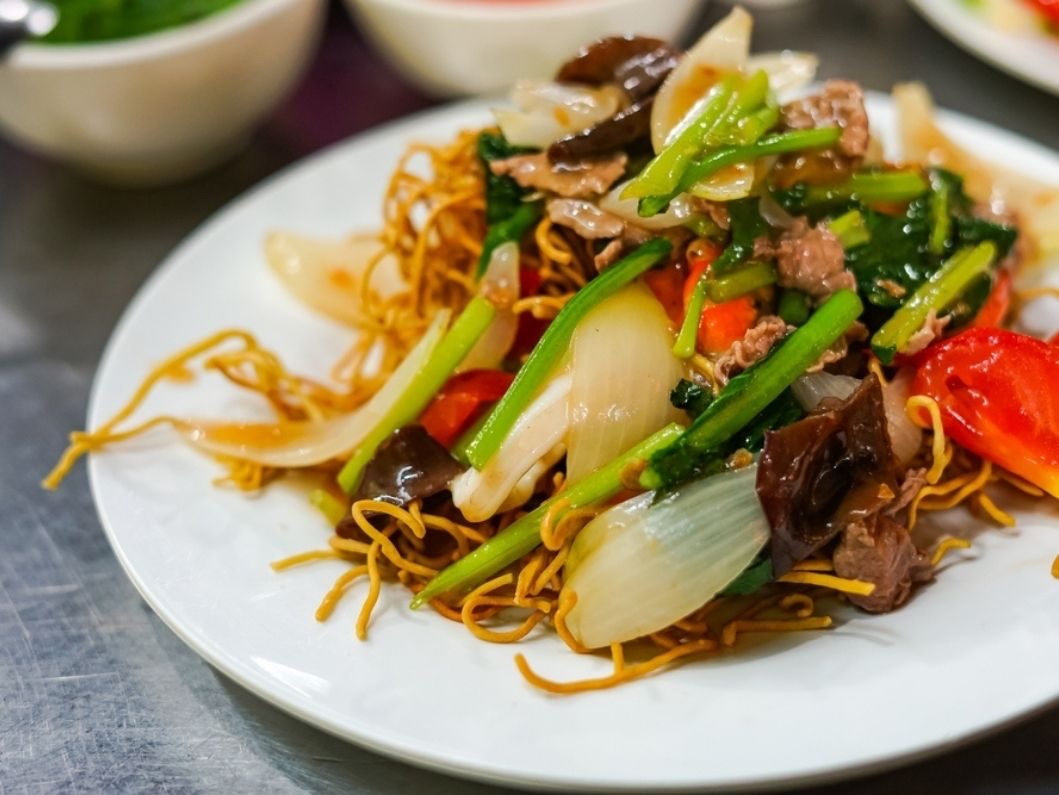
- Mì: Egg noodles that are typically yellow in color and used in dishes like mì xào (stir-fried noodles) or soups. Their rich flavor complements many savory dishes.
-
03 Formulations of Vietnamese Noodles
- Dried Noodles: These noodles are dehydrated for long shelf life and require boiling before use. They are convenient for quick meal preparation.
- Fresh Noodles: Made daily, fresh noodles offer superior taste and texture. They are often found in local markets and are preferred for authentic dishes.
- Instant Noodles: Quick-cooking noodles designed for convenience, typically available in various flavors. They are a popular choice for fast meals and easy preparation.
- Rice Paper: Though not a noodle in the traditional sense, rice paper is used for wrapping ingredients in dishes like fresh spring rolls. They can be quickly softened in water for immediate use.
- Gluten-Free Noodles: Made from alternative flours, such as tapioca or mung bean, these noodles cater to gluten-sensitive individuals while providing similar textures to traditional noodles.

2000+
Manufacturers