

Your Cereal. Your Recipe. The Right Contract Manufacturer
Dry cereals are ready-to-eat or minimally processed grain-based products commonly consumed as a convenient breakfast option or snack. They are typically made from grains such as corn, wheat, oats, rice, or barley, and are fortified with vitamins and minerals to enhance their nutritional value. Dry cereals can be enjoyed with milk, yogurt, or plant-based alternatives, or eaten dry as a portable, non-perishable food. These products are not only appreciated for their convenience but also for their variety in flavor, texture, and nutritional content, catering to diverse dietary preferences and needs.
-
01 Benefits of Dry Cereals
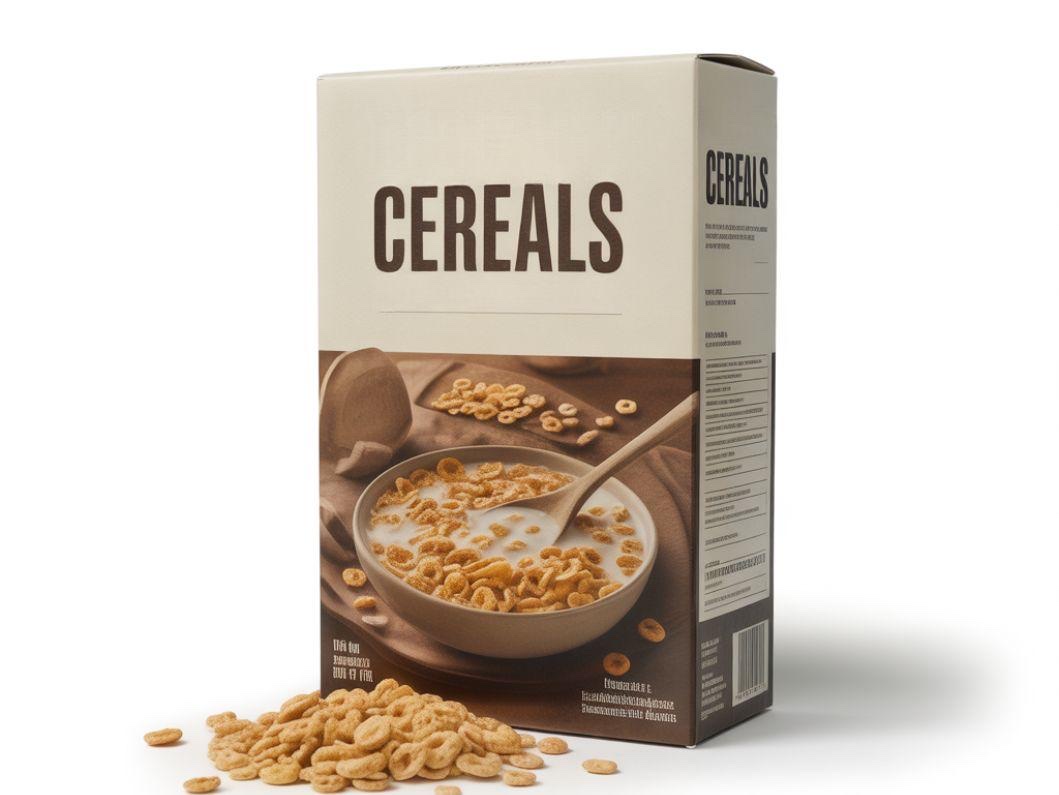
- Nutrient Fortification: Many dry cereals are enriched with essential vitamins and minerals such as iron, B vitamins, and folic acid, supporting overall health.
- Fiber Content: Whole grain and bran cereals provide a significant source of dietary fiber, aiding digestion and promoting satiety.
- Convenience: Quick and easy to prepare, dry cereals are ideal for busy mornings or on-the-go snacking.
- Variety: Available in numerous flavors, shapes, and textures to appeal to different age groups and taste preferences.
- Shelf Stability: Long shelf life makes them a practical pantry staple.
-
02 Types of Dry Cereals
- Flaked Cereals: Made by rolling grains into thin flakes, often toasted for a crispy texture. Examples include corn flakes and bran flakes.
- Puffed Cereals: Grains are puffed using heat and pressure, creating light, airy textures. Popular varieties include puffed rice and puffed wheat.
- Shredded Cereals: Whole grains are cooked, shredded, and formed into bite-sized pieces. Shredded wheat is a common example.
- Granola: A mixture of rolled oats, nuts, seeds, and sweeteners baked until crisp. Often enjoyed with yogurt or as a snack.
- Muesli: A blend of raw rolled oats, dried fruits, nuts, and seeds, typically eaten soaked in milk or yogurt.
- Extruded Cereals: Produced by forcing grain mixtures through a machine that shapes and cooks them simultaneously. This process allows for a wide variety of shapes and textures, such as rings, balls, or stars.
- Cluster Cereals: Ingredients are bound together with sweeteners or syrups, forming crunchy clusters. Often found in granola-style cereals.
- Bran Cereals: High-fiber cereals made primarily from the outer layer of grains. Examples include bran sticks and flakes.
-
03 Formulations of Dry Cereals
- Sugar-Coated: Grains or flakes coated with sugar or honey for added sweetness and crunch.
- Whole Grain: Made from whole, unrefined grains, offering higher fiber and nutrient content.
- Gluten-Free: Formulated without wheat, barley, or rye to accommodate those with gluten sensitivities or celiac disease.
- High-Protein: Enriched with added protein sources such as soy or whey to support muscle health and satiety.
- Low-Sugar: Designed with reduced sugar content, appealing to health-conscious consumers.
- Organic and Non-GMO: Made from organically grown, non-genetically modified ingredients to meet specific dietary preferences.
- Fortified Cereals: Enhanced with additional vitamins and minerals to meet nutritional guidelines, often targeting specific demographics like children or pregnant women.
- Fiber-Enriched: Incorporates added fiber to promote digestive health and provide a feeling of fullness.

2000+
Manufacturers