

Contract Packaging
Aluminum Foil
Aluminum Foil Solutions that Create Competitive Advantage
Aluminum foil is a versatile material widely used in packaging, cooking, and many industrial applications due to its excellent physical properties. Here’s an in-depth look at its types, key features, benefits, applications, and environmental considerations:
-
01 Types of Aluminum Foil
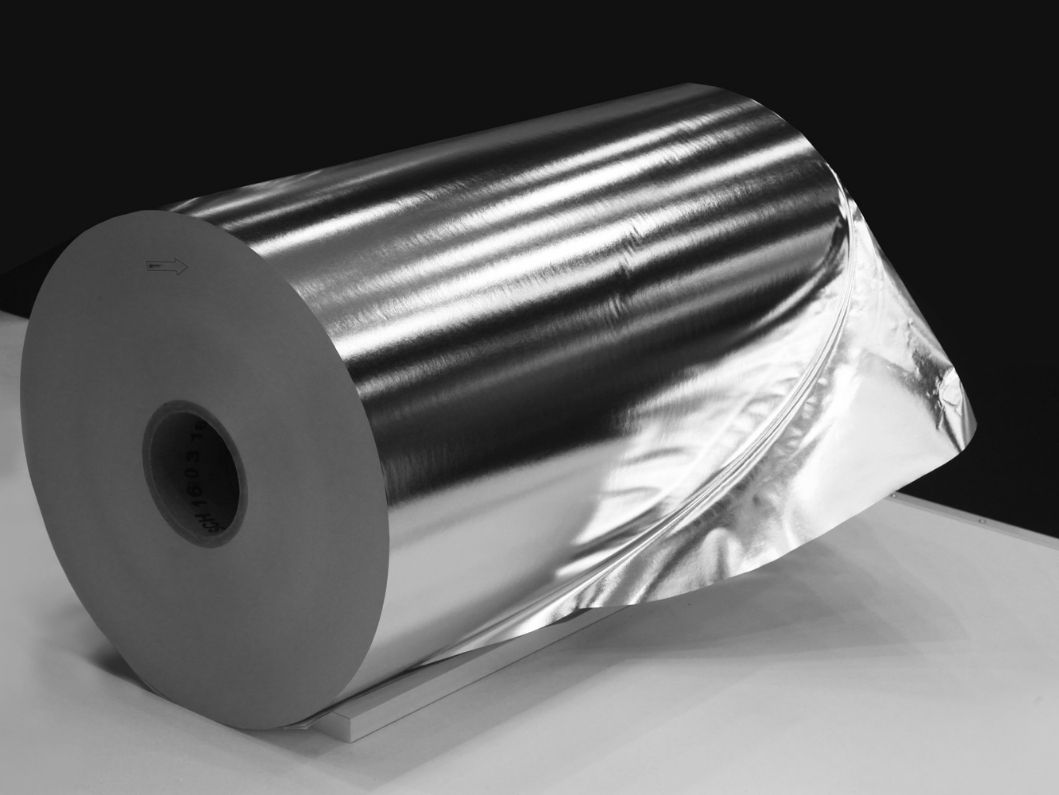
- Standard Duty Aluminum Foil: The most common type found in homes, standard duty aluminum foil is typically 0.0007 inches thick. It’s used mainly for wrapping foods, covering dishes, and general kitchen use.
- Heavy Duty Aluminum Foil: Thicker and stronger than standard aluminum foil, heavy duty foil is about 0.0009 inches thick. It’s ideal for cooking applications that require heat retention and is often used for grilling or wrapping items with bones.
- Extra Heavy Duty Aluminum Foil: This type is used in commercial settings like restaurants and catering. With a thickness around 0.0011 inches or more, it is designed to withstand extensive handling and to cover large containers and dishes.
- Light Gauge Foil: Often used by food packaging industries, this foil is typically less than 0.0007 inches thick. It’s primarily used for its decorative properties and light wrapping tasks.
- High-performance Foil: Engineered for specific industrial applications, this foil can have various additives to enhance strength, resistance to chemicals, and thermal properties.
-
02 Key Features of Aluminum Foil
- Thermal Conductivity: Aluminum foil conducts heat, helping to cook food evenly without extensive time or energy.
- Barrier Properties: It acts as a total barrier to light, moisture, and air, making it a primary material in food packaging.
- Flexibility and Durability: Despite its thinness, aluminum foil can be both flexible and durable, resistant to tearing and puncturing.
- Non-toxic: It’s safe for packaging food and does not leach into the contents.
- Reflectivity: Reflects heat and light, ideal for thermal insulation, electrical applications, and more.
-
03 Benefits of Using Aluminum Foil
- Food Preservation: Aluminum foil extends the life of foods by protecting them from oxidation and contamination.
- Versatility: Suitable for cooking, freezing, wrapping, and storing, aluminum foil is a versatile tool in both residential and commercial settings.
- Energy Efficiency: Its heat conductivity allows faster cooking and can help save on energy costs in commercial environments.
- Customizable: It can be cut and shaped into any form, making it useful for a wide range of applications.
- Recyclability: Aluminum foil is 100% recyclable, contributing to sustainable practices and waste reduction.
-
04 Applications of Aluminum Foil
- Kitchen Use: From wrapping leftovers to covering baking dishes and grilling vegetables, aluminum foil is a staple in the kitchen.
- Packaging: Pharmaceuticals, cosmetics, and food products are often packaged with aluminum foil because it protects contents from moisture, germs, light, and odors.
- Insulation: Used in building and construction to reflect heat effectively.
- Electromagnetics: Foil is used in cables and electronics to shield wires from magnetic and radiofrequency interference.
- Art and Decoration: Metallic qualities make it suitable for artistic uses and decorative packaging.

Your Gateway to Aluminum Foil Solutions
CoPack Connect can connect brands with contract packagers that offer aluminum foil packaging. We make it easy for businesses to find the right manufacturer for their needs and provide the tools and resources they need to manage their aluminum foil projects successfully.



2000+
Manufacturers


