

Blanching Solutions that Create Competitive Advantage
Blanching is a cooking process primarily used in food preparation for vegetable and sometimes fruit preservation. This technique involves briefly exposing food to boiling water or steam and then rapidly cooling it in ice water. The process is designed to halt the action of naturally occurring enzymes that can cause loss of flavor, color, and texture. Below is a detailed exploration of blanching, including its types, key features, benefits, applications, and environmental considerations.
-
01 Types of Blanching
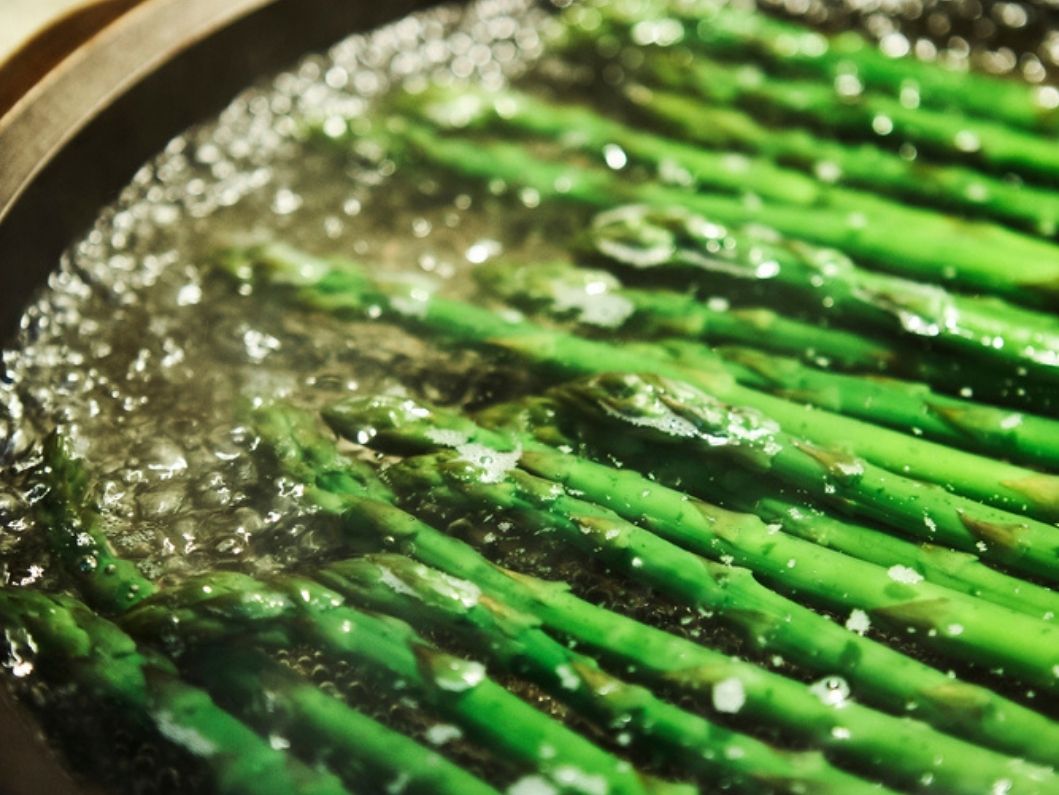
- Water Blanching: This is the most common method and involves immersing food in boiling water for a set period. It is especially effective for dense vegetables such as carrots and green beans. Water blanching is simple and quick, but can lead to some nutrient loss as some vitamins are water-soluble.
- Steam Blanching: In this method, food is exposed to steam instead of being submerged in water. Steam blanching is considered better than water blanching for preserving the nutrient content and flavor of vegetables. It is particularly suitable for more delicate items that might become soggy with water blanching.
- Microwave Blanching: This is a less common method due to its uneven heat distribution, which can lead to partially cooked pieces. However, it is a quick method and can be convenient for small batches or when other methods aren’t available.
-
02 Key Features of Blanching
- Enzyme Inactivation: Blanching primarily serves to inactivate enzymes that cause deterioration in food quality. This is crucial for preserving color, flavor, and nutritional content.
- Texture Softening: The process softens vegetables, making them slightly tender, which is ideal for freezing and further processing.
- Color Preservation: Blanching helps in maintaining the vibrant color of vegetables and fruits, enhancing their appeal in packaged foods and salads.
- Reduction of Microbial Load: By exposing the food to high temperatures, blanching can reduce the number of surface microbes, which enhances safety and extends shelf life.
-
03 Benefits of Blanching
- Improved Quality and Shelf Life: Blanching extends the shelf life of perishable items by deactivating spoilage and pathogenic microorganisms. It also helps in preserving the quality of the food during freezing.
- Ease of Packaging and Transport: Blanching softens products, making them easier to pack and transport. It also reduces bulk volume, facilitating more compact packaging.
- Enhanced Safety: By killing harmful bacteria and other pathogens that reside on the surface of fruits and vegetables, blanching makes food safer for consumption.
- Nutrient Retention: Though some nutrients are lost during blanching, the process overall helps retain more nutrients compared to foods that degrade over time without such treatment.
-
04 Applications of Blanching
- Freezing: Blanching is an essential step before freezing many types of vegetables and some fruits to ensure they retain quality over time.
- Canning: Foods are often blanched before canning to reduce the risk of spoilage and to maintain texture and color.
- Drying: Blanching can also prepare food for dehydration as it speeds up the drying process and prevents oxidative spoilage.
- Everyday Cooking: In daily cooking, blanching is used to prepare ingredients, soften fibrous vegetables, or remove the raw taste from some foods before final cooking stages.
-
05 Environmental Considerations
Blanching, while effective for food preservation, carries environmental impacts such as significant water and energy use, and the generation of nutrient-rich wastewater. To minimize these effects, it’s essential for food processors to optimize blanching conditions and consider sustainable practices like recycling or reusing wastewater. Such measures help reduce the environmental footprint of this widely used food processing method.

Your Bridge to Finding Efficient Blanching Services
CoPack Connect can connect brands with contract manufacturers and packagers that offer blanching services. We make it easy for businesses to find the right manufacturer for their needs and provide the tools and resources they need to manage their projects successfully.



2000+
Manufacturers


