

Blending Solutions that Create Competitive Advantage
Blending is a fundamental process used to combine two or more materials into a homogeneous mixture, ensuring consistent texture, color, and chemical composition. This technique is crucial across various industries such as food, pharmaceuticals, cosmetics, chemicals, and construction. The primary goal of blending is to achieve uniformity in the product’s properties, enhancing functionality and quality. It facilitates subsequent manufacturing steps like compaction and granulation, ensuring products meet safety and efficacy standards.
Blending equipment and techniques are tailored to material needs, with advanced control systems often monitoring the process to optimize quality, efficiency, and production costs. This process is essential in maintaining product standards, improving manufacturing efficiency, and ensuring the final product performs as expected.
-
01 Blending by Processing Type
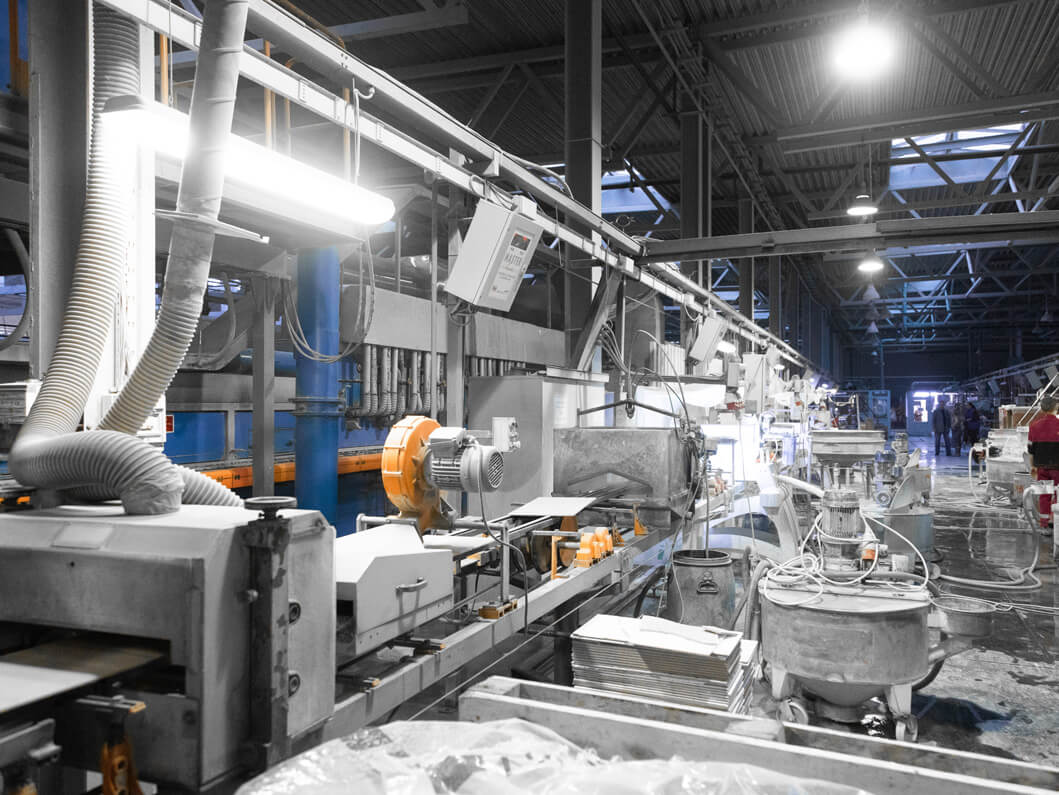
Blending can be categorized based on the type of materials being mixed and the methods used:
- Dry Blending: This involves the mixing of solid materials, typically powders or granules, without the addition of any liquid. The equipment used can range from simple tumblers to sophisticated ribbon blenders that ensure thorough mixing.
- Wet Blending: In contrast to dry blending, wet blending involves the incorporation of liquids. This can be as simple as adding water or oil to dry ingredients, or more complex processes like creating emulsions. High shear mixers are often used to ensure proper dispersion of the liquid into solids.
- Gas Blending: This process is common in the chemical and gas industries, where different gases are mixed to achieve specific mixtures. Precision and control are crucial, as the properties of the final gas mixture can be significantly influenced by the ratios and purity of the initial gases.
-
02 Benefits of Blending
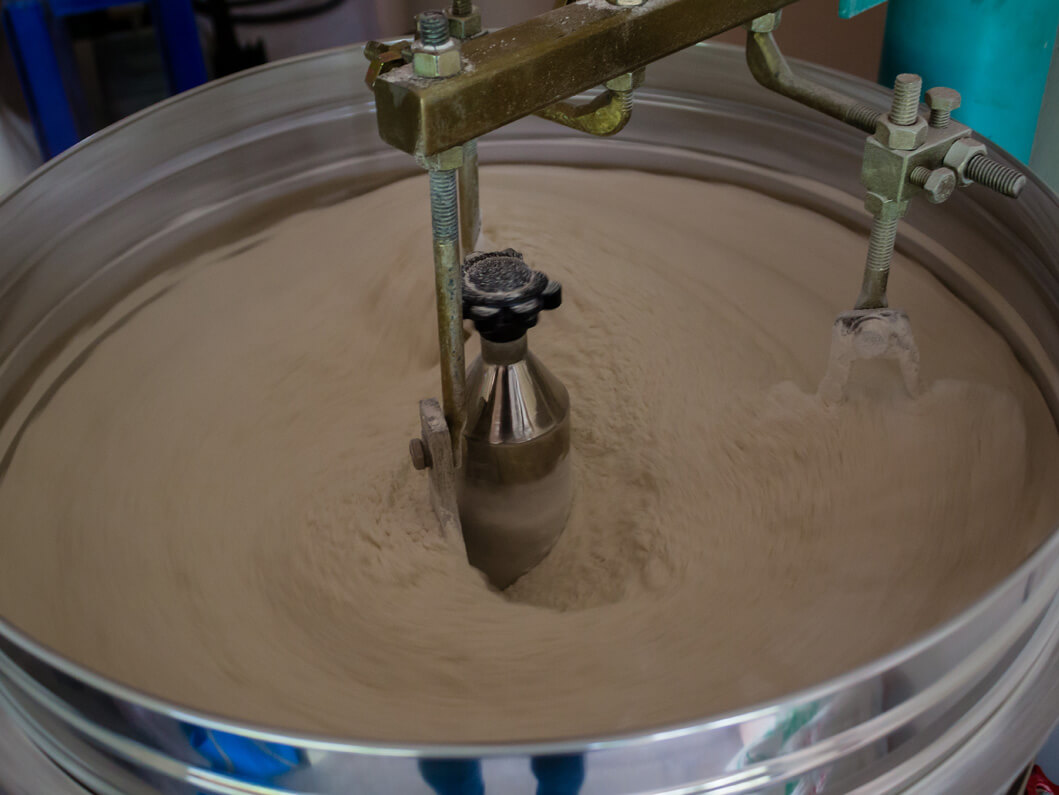
Blending offers several advantages across various applications:
- Uniformity: It ensures that components are distributed evenly, resulting in a consistent product in terms of quality and performance.
- Cost-Effectiveness: By mixing different grades or qualities of raw materials, manufacturers can optimize cost without compromising the product’s quality.
- Customization: Blending allows for the creation of custom products tailored to specific customer needs or market demands.
- Efficiency: It can enhance the reaction efficiency in chemical processes by ensuring that reactants are thoroughly mixed.
-
03 Examples of Blending Applications

Blending finds applications in numerous fields:
- Food Industry: Blending is critical in food production, where ingredients like spices, flours, and milk powders are mixed to create everything from bakery products to instant beverages.
- Pharmaceuticals: Medications often require the precise mixing of active ingredients with carriers and excipients to ensure dose accuracy and effectiveness.
- Cosmetics: In the production of cosmetics, blending ensures that pigments, fillers, and active ingredients are combined to produce makeup or skincare products with specific properties.
- Construction: Cement, concrete, and other construction materials require the blending of powders and aggregates to ensure strength and durability.
- Chemicals: Blending is essential in creating fertilizers, where different chemical components are combined to achieve the desired nutrient ratios.
Your Gateway to Seamless Blending Solutions
CoPack Connect can connect brands with contract manufacturers and packagers that offer blending services. We make it easy for businesses to find the right manufacturer for their needs and provide the tools and resources they need to manage their relabeling projects successfully.


2000+
Manufacturers


