

Boiling Solutions that Create Competitive Advantage
Boiling is a cooking method where food is immersed in a liquid, typically water or broth, that has been heated to its boiling point. This process involves several key elements and variations, offering numerous culinary benefits and applications, while also presenting some environmental considerations.
-
01 Types of Boiling
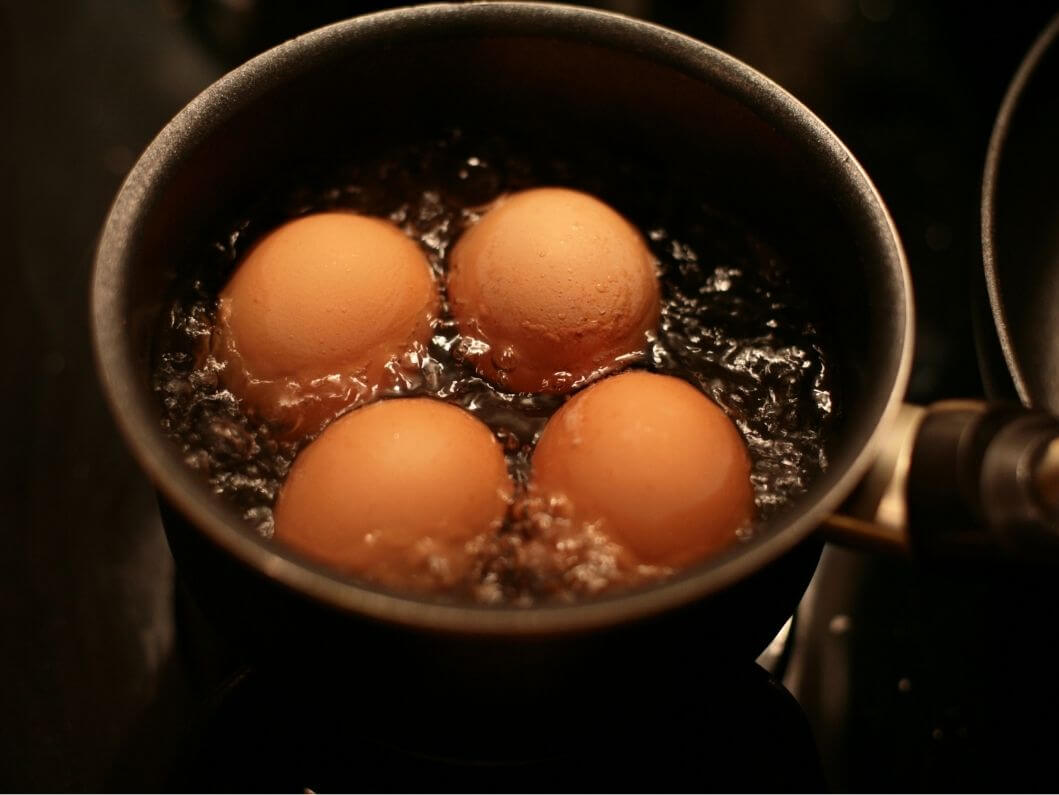
- Rolling Boil: This is when the liquid is boiling vigorously with large bubbles rising continuously to the surface. It’s typically used for cooking pasta, sterilizing liquids, and making broths.
- Simmering: A gentler form of boiling, simmering is when small bubbles form and gently rise to the surface. It is ideal for cooking stews, soups, and dishes that require slow cooking to merge flavors without breaking down the ingredients too much.
- Parboiling: This involves partially cooking food in boiling water, then halting the cooking process rapidly by plunging the food into cold water. It is commonly used for vegetables and rice to reduce final cooking time.
- Blanching: Similar to parboiling but typically used for vegetable or fruit preparation, blanching involves boiling food briefly and then shocking it in ice water. This method helps in preserving color, easing peeling, and preparing for freezing.
-
02 Key Features of Boiling
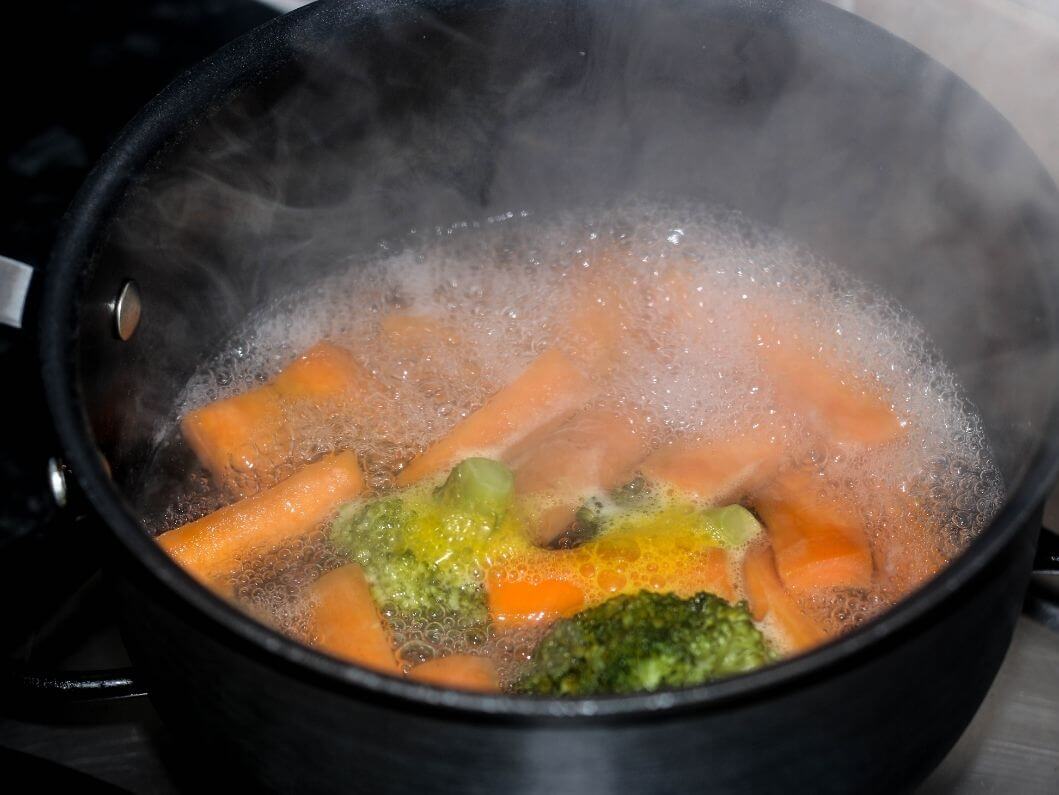
- Temperature: Boiling occurs at 100°C (212°F) at sea level, but the boiling point can vary with altitude.
- Rapid Cooking: High temperatures allow for quick cooking, which is ideal for busy kitchen environments.
- Moisture Retention: Boiling uses water, which helps in keeping foods moist and tender, especially beneficial for tough cuts of meat or fibrous vegetables.
- Versatility: Almost any food can be boiled, from eggs and vegetables to meats and pasta, making it a versatile cooking method.
-
03 Benefits of Using Boiling
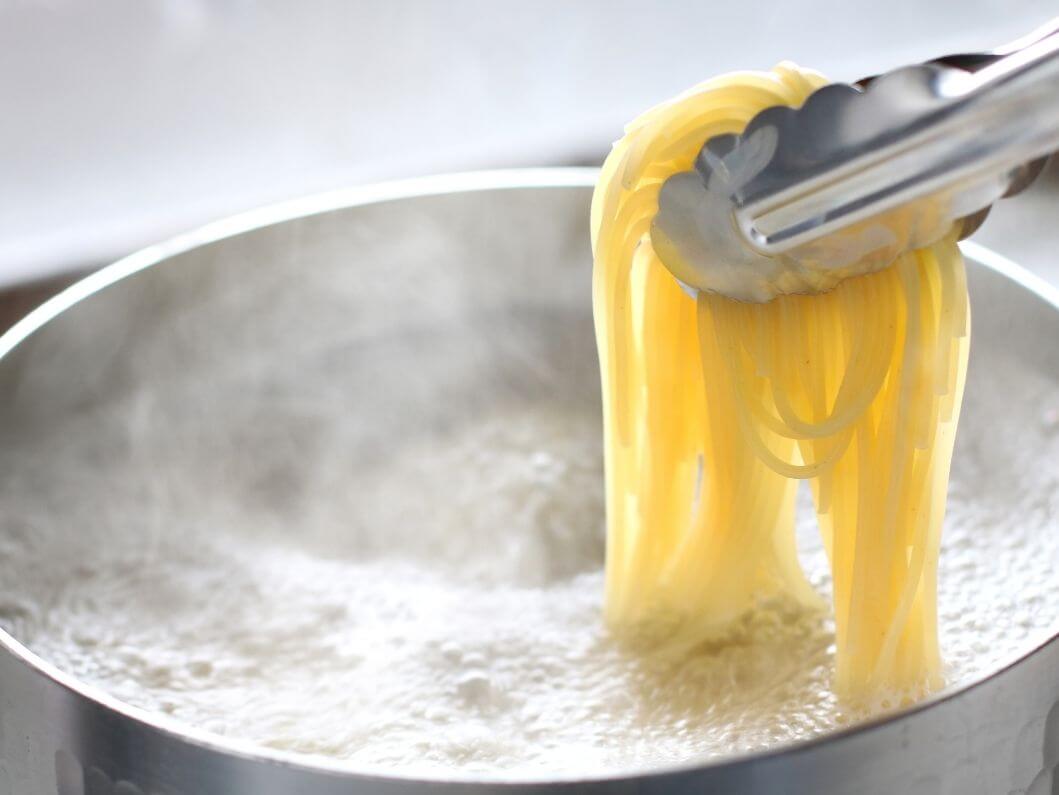
- Simplicity: Boiling is straightforward, requiring no advanced cooking skills or specialized equipment beyond a pot and a heat source.
- Healthiness: Boiling can be a healthy cooking method since it often requires no added fats and can reduce the overall calorie content of the cooked food.
- Flavor Infusion: Ingredients like herbs, spices, and broths can be added to the boiling water to infuse flavors into the food.
- Food Safety: Boiling effectively kills bacteria and other pathogens, making it a safe method to prepare food, particularly in culinary situations where food safety is paramount.
-
04 Applications of Boiling
- Culinary Uses: From making stocks and soups to boiling pasta or potatoes, boiling is fundamental in kitchens worldwide.
- Industrial Applications: In food processing, boiling is used for pasteurization, sterilization, and preparing ingredients for further manufacturing.
- Scientific and Medical: Boiling is used in laboratory processes for sterilization, and in medical setups, it’s used for cleaning and preparing surgical instruments.


Your Bridge to Finding Efficient Boiling Services
CoPack Connect can connect brands with contract packagers that offer boiling. We make it easy for businesses to find the right manufacturer for their needs and provide the tools and resources they need to manage their boiling projects successfully.



2000+
Manufacturers


