

Contract Packaging
Bottle Filling
Bottle filling is essential for many brands, especially in the food, beverage, and CPG sectors. This process ensures each bottle has the right amount of product, stays fresh, and meets quality standards. As customer needs change, brands might need different bottle sizes and materials. Using a contract packager for bottle filling lets brands meet these demands without buying expensive equipment or setting up their own facilities.
-
01 Features of Bottle Filling Systems
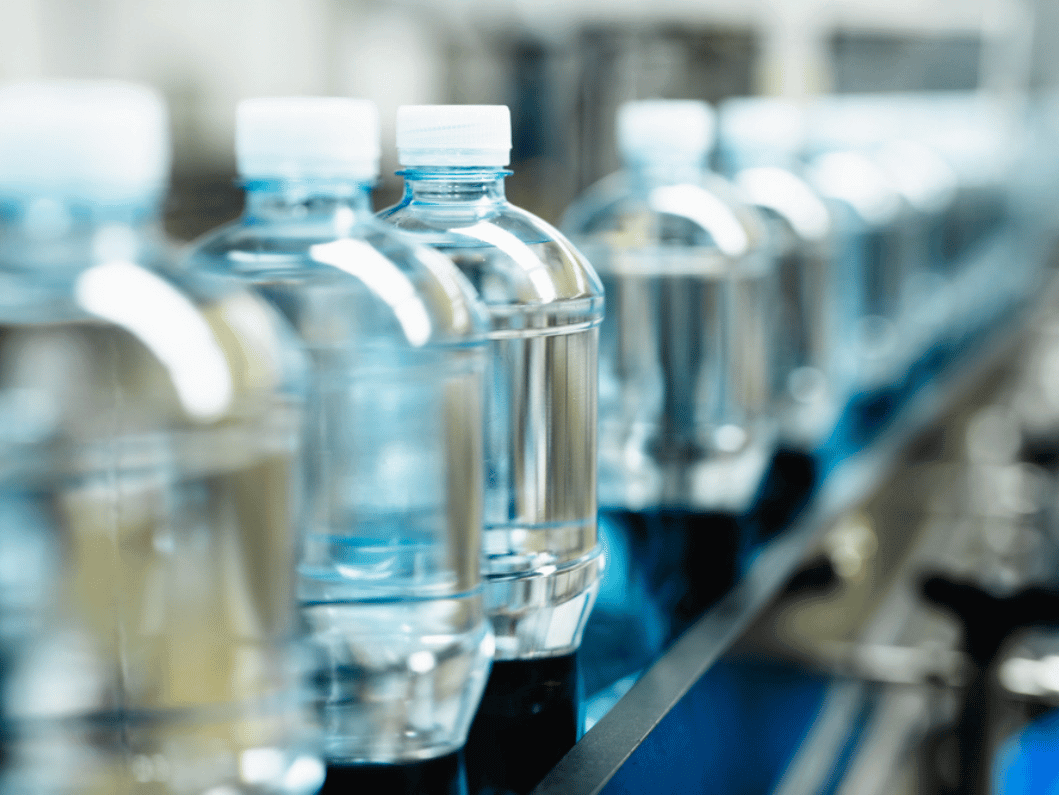
- Precision and Accuracy: These systems are designed to deliver exact amounts of product into each bottle, minimizing waste and ensuring consistency.
- Speed and Efficiency: Automated bottle fillers can process thousands of bottles per hour, significantly speeding up production compared to manual filling.
- Versatility: Modern systems can handle a variety of bottle sizes and product types, from viscous liquids to free-flowing powders.
- Integration: Bottle fillers can be integrated with other production line equipment, such as capping machines and labeling systems, to create a seamless manufacturing process.
- Hygiene and Safety: Many systems are built to meet stringent hygiene standards, especially in food and pharmaceutical applications, often featuring stainless steel components and easy-to-clean designs.
-
02 Benefits of Bottle Filling
- Cost-Effectiveness: Automating the filling process reduces labor costs and increases throughput, making it more cost-effective.
- Consistency and Quality Control: Automated systems ensure that each bottle is filled with the exact same amount of product, enhancing product quality.
- Reduced Product Waste: Precision in filling leads to minimal overfill or underfill, reducing waste and saving costs.
- Enhanced Safety: By automating the filling process, the risk of accidents and spills is reduced, improving safety for workers.
-
03 Different Uses of Bottle Filling
- Beverage Industry: Used for filling water, juices, sodas, and alcoholic beverages. These systems often need to handle carbonated drinks.
- Pharmaceutical Industry: Critical for dosing precise amounts of liquid medicines, vaccines, and other health-related products.
- Cosmetic Industry: Used for filling lotions, perfumes, creams, and oils. Systems often accommodate varying viscosity.
- Chemical Industry: Fills household cleaners, industrial chemicals, and agricultural products, requiring resistance to corrosive substances.
- Food Industry: Automates the filling of sauces, edible oils, vinegars, and other food products, often with stringent hygiene requirements.
-
04 Environmental Impact and Sustainability
Modern bottle filling operations increasingly prioritize sustainability by implementing measures aimed at minimizing environmental impact. These systems are designed to reduce waste by enhancing the precision of the filling process, thereby minimizing product overflow and the resultant waste. In an effort to promote sustainability, there is a growing emphasis on using recyclable or reusable packaging materials, aligning with global environmental initiatives.
Additionally, the adoption of energy-efficient technologies plays a crucial role in reducing the energy consumption of production lines. These efforts help in lowering the carbon footprint of manufacturing facilities and support compliance with stricter environmental regulations, making the industry more sustainable and less harmful to the environment.
-
05 Types of Bottle Filling Technologies
- Volumetric Filling: This method uses a piston or other mechanical means to deliver a precise volume of product into the bottle. It is ideal for thick liquids or those with particulates.
- Weight Filling: Utilizes scales to fill the bottle to a specified weight, commonly used for products sold by weight and for ensuring consistent fill levels in containers.
- Overflow Filling: Good for thin, foamy liquids as it fills the bottle to a set level, allowing excess product to overflow back into the reservoir, ensuring a uniform fill level.
- Gravity Filling: Relies on gravity to dispense the product, suitable for non-viscous, free-flowing liquids.
- Pump Filling: Employs a pump to transfer product, useful for a wide range of viscosities and is adjustable for different volumes and flow rates.

Your Gateway to Seamless Bottle Filling Solutions
CoPack Connect can connect brands with contract packagers that offer bottle filling services. We make it easy for businesses to find the right manufacturer for their needs and provide the tools and resources they need to manage their bottle filling projects successfully.



2000+
Manufacturers


