

Braising Solutions that Create Competitive Advantage
Braising is a cooking technique that involves slowly cooking food, typically meat or vegetables, in a small amount of liquid at low temperatures. This method combines both wet and dry heats: the food is first seared at a high temperature and then finished in a covered pot at a lower temperature while sitting in some amount of liquid.
-
01 Types of Braising
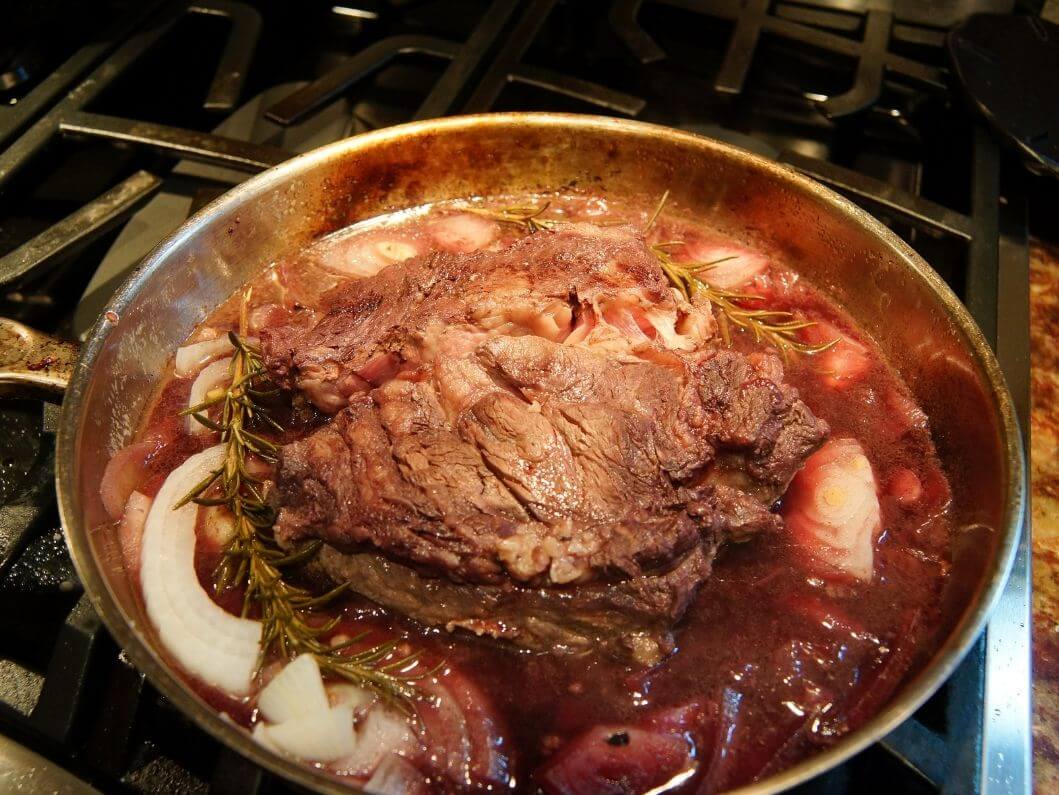
- Traditional Braising: Usually done in heavy pots like Dutch ovens, where the meat is seared and then cooked slowly with vegetables, a cooking liquid (like broth, wine, or water), and herbs.
- Pressure Braising: Uses a pressure cooker to speed up the cooking process, significantly reducing cooking time while still achieving tender results.
- Slow Cooker Braising: Ideal for long, unattended cooking, where ingredients are combined in a slow cooker and left to simmer for hours.
- Oven Braising: Involves cooking in an oven where the consistent, all-around heat creates an even cooking environment, often used for larger cuts of meat or whole poultry.
-
02 Key Features of Braising
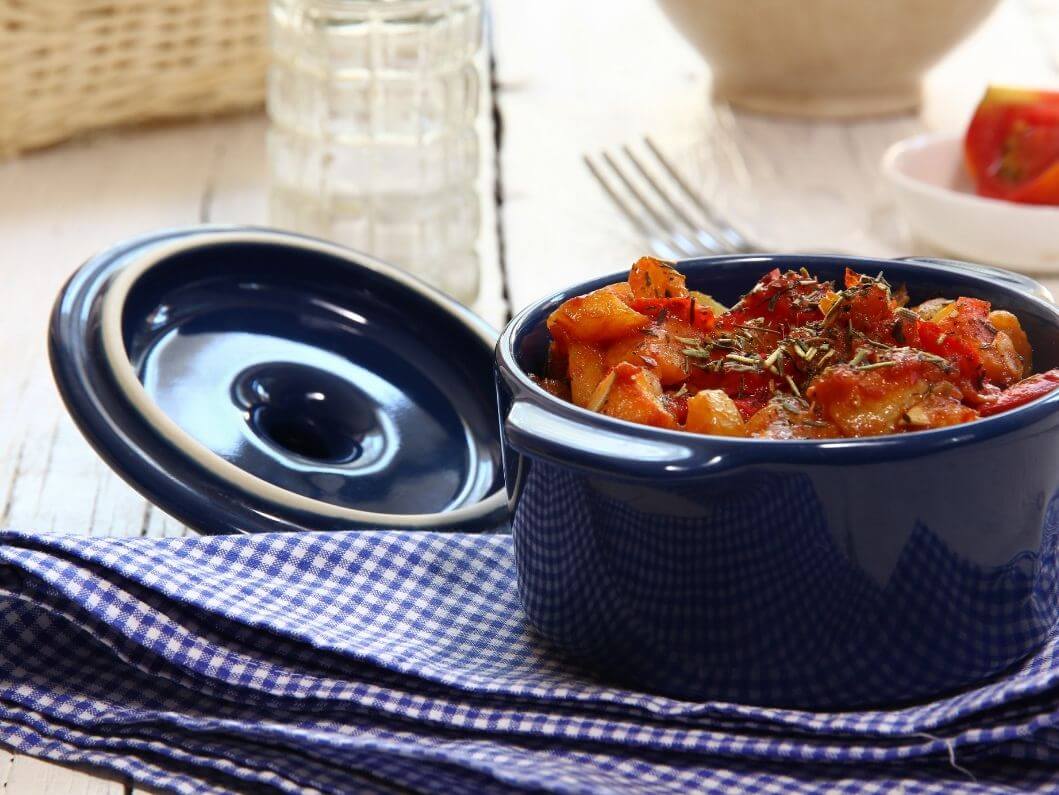
- Low Temperature and Slow Cooking: Braising is done at low temperatures for several hours, allowing the breakdown of tough fibers in the meat.
- Moisture Retention: The cooking environment is moist, which helps keep the meat juicy and prevents it from drying out.
- Versatility: While commonly used for meat, braising can also be applied to vegetables and even some fruits, adapting to various ingredients and cuisines.
-
03 Benefits of Braising
- Tenderness: Converts tougher, less expensive cuts of meat into tender, flavorful dishes.
- Flavor Development: The slow cooking process allows for deep, complex flavor profiles due to the Maillard reaction and caramelization.
- Ease of Cooking: Requires minimal attention once the initial searing and preparation are complete.
- Nutrient Retention: Cooking at low temperatures in a covered pot minimizes nutrient loss compared to high-heat cooking methods.
- Efficiency: Can be an energy-efficient cooking method, especially when using modern appliances like slow cookers or pressure cookers that require less energy than traditional oven braising.
-
04 Applications of Braising
- Meats: Particularly effective for tough cuts like brisket, pork shoulder, lamb shanks, and beef chuck.
- Vegetables: Suitable for denser vegetables like cabbage, carrots, and potatoes, which absorb flavors well.
- Poultry: Ideal for cooking whole birds or larger pieces like turkey legs or chicken thighs.
- Seafood: While less common, sturdy fish like monkfish can benefit from a quick braise.
Your Bridge to Finding Efficient Braising Services
CoPack Connect can connect brands with contract packagers that offer braising. We make it easy for businesses to find the right manufacturer for their needs and provide the tools and resources they need to manage their braising projects successfully.

2000+
Manufacturers


