

Bulk Canisters Solutions that Create Competitive Advantage
Bulk canisters are large, sturdy containers used for storing and transporting substantial quantities of materials. In the fast-paced world of the food industry, efficiency and convenience are paramount. One way to achieve these goals is by utilizing bulk canisters. These versatile containers offer numerous benefits, ranging from cost savings to improved sustainability.
-
01 Features of Bulk Canisters
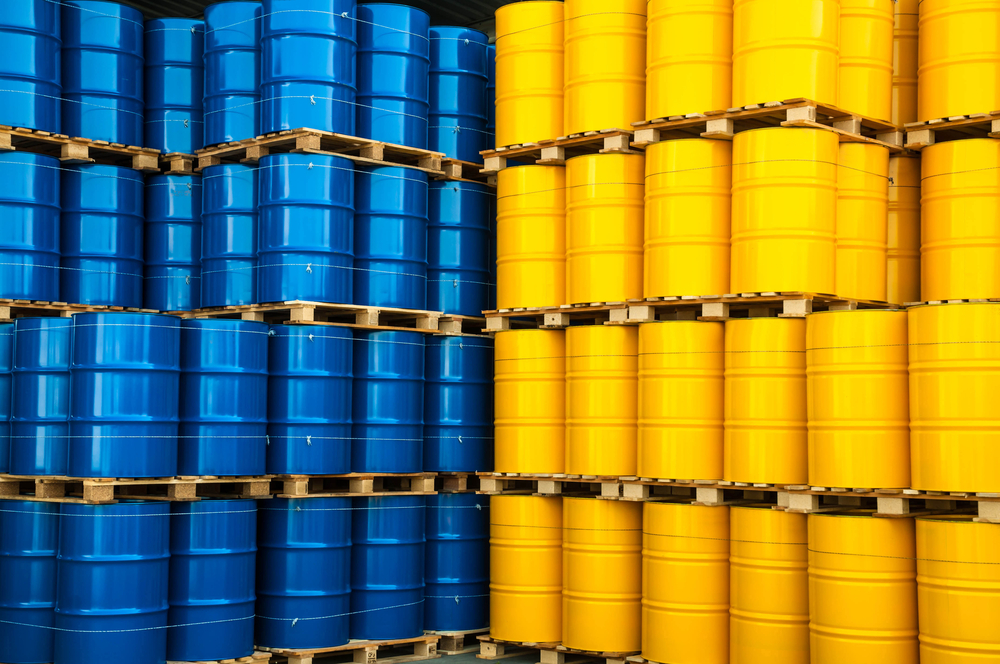
- Capacity: Bulk canisters are designed to hold large volumes, often measured in liters or gallons, making them suitable for industrial or commercial needs.
- Material: They are typically made from durable materials like stainless steel, plastic, or composite materials to withstand heavy usage and environmental conditions.
- Sealing Options: Most have tight-sealing lids to prevent contamination and preserve the contents, which is crucial for food products or chemicals.
- Stackability: Many bulk canisters are designed to be stackable, saving valuable storage and transport space.
- Handling Features: They often come with handles, grips, or grooves for easier handling and transport.
-
02 Benefits of Bulk Canisters
Efficiency: Bulk canisters are efficient for storing and transporting large quantities of products, reducing the need for frequent refills or deliveries.
Protection: They offer excellent protection against environmental factors like air, moisture, and pests, which is essential for maintaining the quality of the contents.
Cost-Effectiveness: Using bulk canisters can be more cost-effective compared to smaller containers due to reduced packaging and handling costs.
Versatility: Their robust design allows for the storage of various types of contents, from liquids and powders to granules and solids.
-
03 Different Uses of Bulk Canisters
- Food Industry: Used for storing and transporting bulk ingredients like oils, grains, or spices.
- Chemical Industry: Ideal for storing chemicals, including hazardous or sensitive substances, ensuring safety and compliance with regulations.
- Agricultural Sector: Used for storing seeds, fertilizers, and animal feeds.
- Pharmaceuticals: Useful in the pharmaceutical industry for bulk ingredients or finished products that require protection from contamination.
- Consumer Goods: Bulk canisters can also be used in retail settings or for consumer goods, offering a way to buy products in larger quantities, which is often more sustainable.
-
04 Environmental Impact and Sustainability of Bulk Canisters
Modern bulk canister operations are enhancing sustainability by focusing on reducing environmental impacts. These practices include optimizing storage and transportation efficiencies, which diminishes the reliance on numerous smaller containers and cuts down packaging waste. Bulk canisters are increasingly made from recyclable or biodegradable materials, supporting global sustainability initiatives. Innovations like better seals and more durable materials extend canister life, thereby minimizing replacement frequency and environmental degradation. Additionally, energy-efficient manufacturing processes reduce energy consumption during production. These strategies not only lower the carbon footprint associated with bulk canister use but also ensure adherence to strict environmental regulations, fostering a more sustainable and environmentally friendly industry.
Your Gateway to Seamless Bulk Canisters Solutions
CoPack Connect can connect brands with contract packagers that offer Bulk canisters Solutions. We make it easy for businesses to find the right manufacturer for their needs and provide the tools and resources they need to manage their shock-absorbing packaging projects successfully.

2000+
Manufacturers


