

Canning Solutions that Create Competitive Advantage
Canning is a method of preserving food in which the food contents are processed and sealed in an airtight container. Canning provides a shelf life typically ranging from one to five years, although under specific conditions it can be much longer. A freeze-dried canned product, such as canned dried lentils, could last as long as 30 years in an edible state.
-
01 Types of Canning
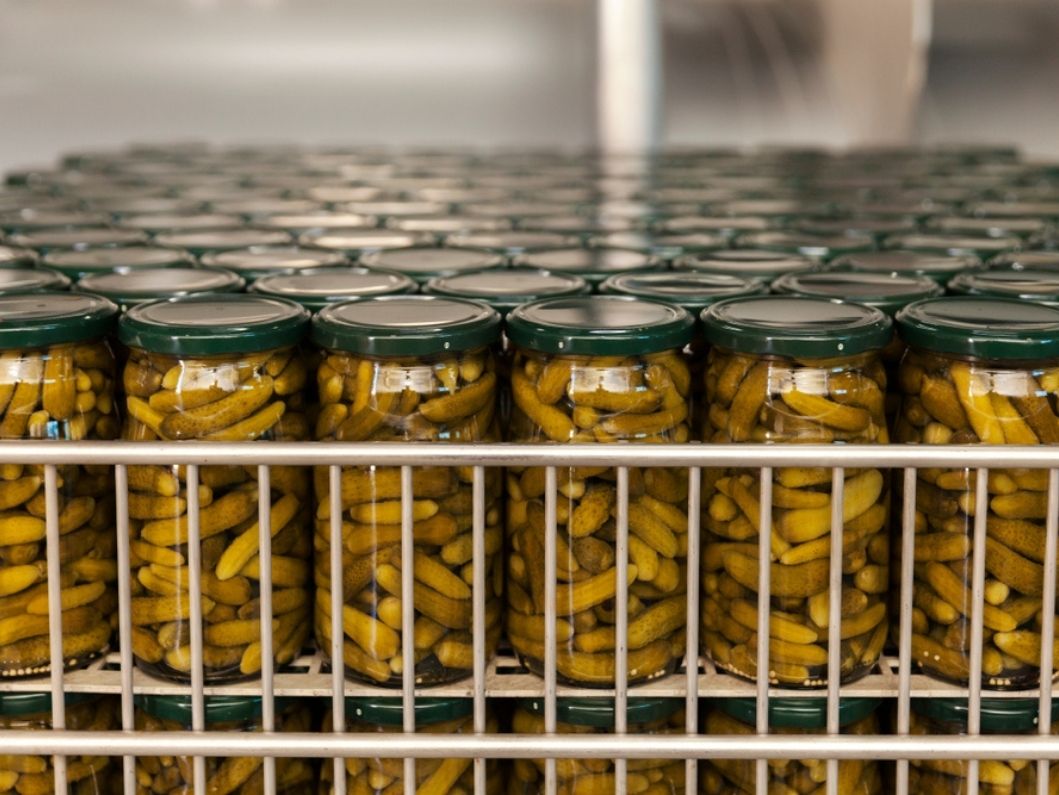
- Water Bath Canning: This method involves placing filled jars into a large pot of boiling water. It is suitable for high-acid foods such as fruits, jams, jellies, and pickles.
- Pressure Canning: Used for low-acid foods like vegetables, meats, and fish. The food is processed at a higher temperature than boiling water by steam pressure, which kills all known microbial life-forms and prevents spoilage.
- Vacuum Sealing: Though not traditional canning, vacuum sealing is often used in conjunction with canning techniques to remove air from the container, further extending the food’s shelf life.
- Atmospheric Steam Canning: This method involves using a steam canner that can reach the same temperature as boiling water but uses less water and energy. It’s appropriate for high-acid foods.
-
02 Key Features of Canning
- Airtight Seal: The canning process involves placing foods in jars or cans and heating them to a temperature that destroys contaminating microorganisms and inactivates enzymes. This process also removes air from the can to create a vacuum seal that prevents other microorganisms from re-entering and spoiling the food.
- Extended Shelf Life: Properly canned goods can last for years, reducing food waste and allowing for preservation of seasonal foods to be enjoyed year-round.
- Portability: Canned foods are easy to transport, making them excellent for not only home use but also for camping, traveling, and emergency food supplies.
- Nutrient Retention: Canning preserves most of the food’s nutrients, although there’s some loss of water-soluble vitamins during the heating process.
-
03 Benefits of Canning
- Food Safety: Canning effectively eliminates microorganisms that can cause food spoilage and foodborne illnesses.
- Cost-Effectiveness: Canning can be a financially sensible option, especially when preserving large amounts of seasonal produce that might otherwise go to waste.
- Convenience: Canned foods are ready to eat or require minimal preparation, facilitating easy meal preparation.
- Seasonal Flexibility: Allows for the consumption of seasonal fruits and vegetables throughout the year.
-
04 Applications of Canning
- Home Use: Many individuals can at home to preserve garden produce or take advantage of bulk, seasonal food purchases.
- Commercial Use: Large-scale commercial canning is prevalent worldwide, producing everything from canned vegetables and fruits to meats and seafood.
- Specialty Foods: Canning is essential for creating specialty products like gourmet soups, exotic imported foods, and ready-to-eat meals.
- Emergency Preparedness: Canned foods are staples in emergency food supplies due to their long shelf life and ease of use.
-
05 Environmental Considerations
Canning, an effective food preservation method, also presents environmental challenges, notably its high energy consumption, particularly during the sterilization phase. The production and recycling of canning materials, mainly metal cans, require significant resources, which can impact the environment. Additionally, the canning industry generates considerable waste, including damaged goods and organic byproducts like canning liquids. Despite these challenges, the industry is moving towards more sustainable practices, such as utilizing renewable energy, reducing water use, and minimizing chemical usage, to lessen its environmental footprint.

Your Bridge to Finding Efficient Canning Services
CoPack Connect can connect brands with contract manufacturers and packagers that offer canning services. We make it easy for businesses to find the right manufacturer for their needs and provide the tools and resources they need to manage their projects successfully.



2000+
Manufacturers


