

Co-Packing Solutions that Create Competitive Advantage
Co-packing, short for contract packing or co-manufacturing, refers to a business arrangement where one company manufactures and packages products for another company under the latter’s brand name. This practice is prevalent across various industries, including food and beverage, pharmaceuticals, cosmetics, and consumer electronics. Co-packing allows companies to outsource the production process to third-party specialists who have the requisite expertise, equipment, and certification to produce and package products efficiently and up to standard. This versatility makes it a popular choice in industries where production demands can be highly variable and capital-intensive.
-
01 How Co-packing Works
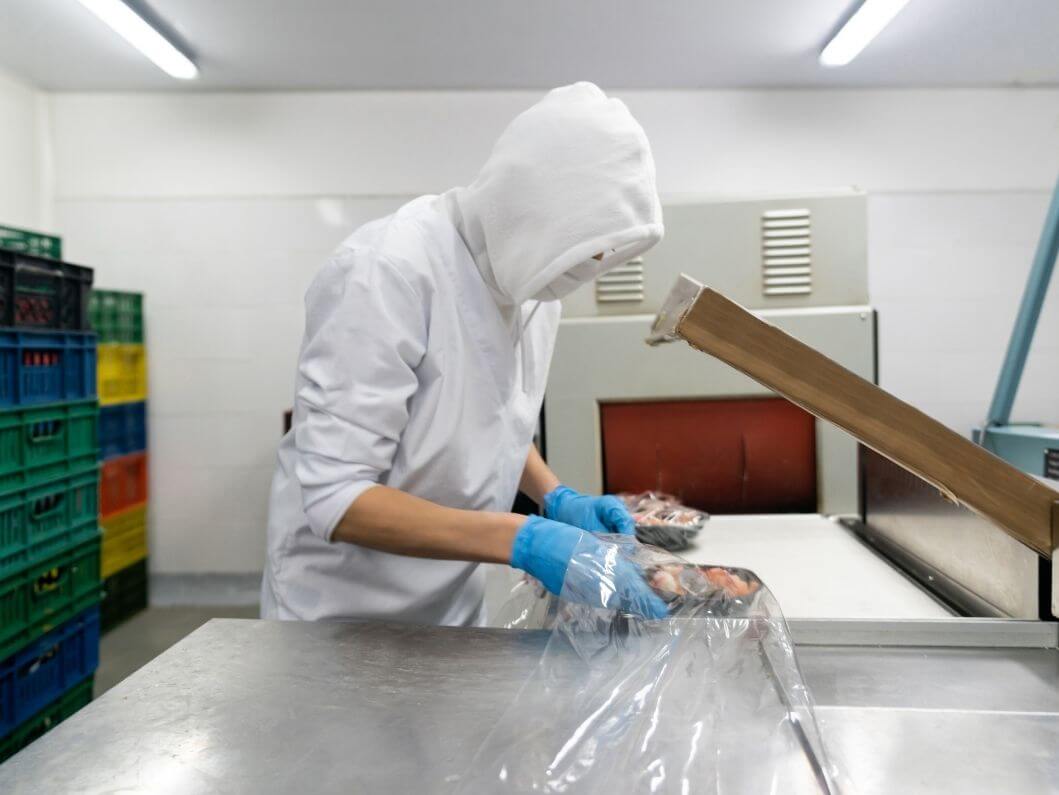
In a typical co-packing scenario, a company, often referred to as the client, enters into a contract with a co-packer, a specialized manufacturer. The client provides the product specifications, branding requirements, and sometimes the raw materials or unique ingredients. The co-packer is responsible for procuring the remaining materials, manufacturing the product, and packaging it according to the specifications provided by the client. The finished products are then either returned to the client for distribution or, in some cases, the co-packer may handle fulfillment services, shipping the products directly to retailers or consumers on behalf of the client.
-
02 Co-packing by Processing Type
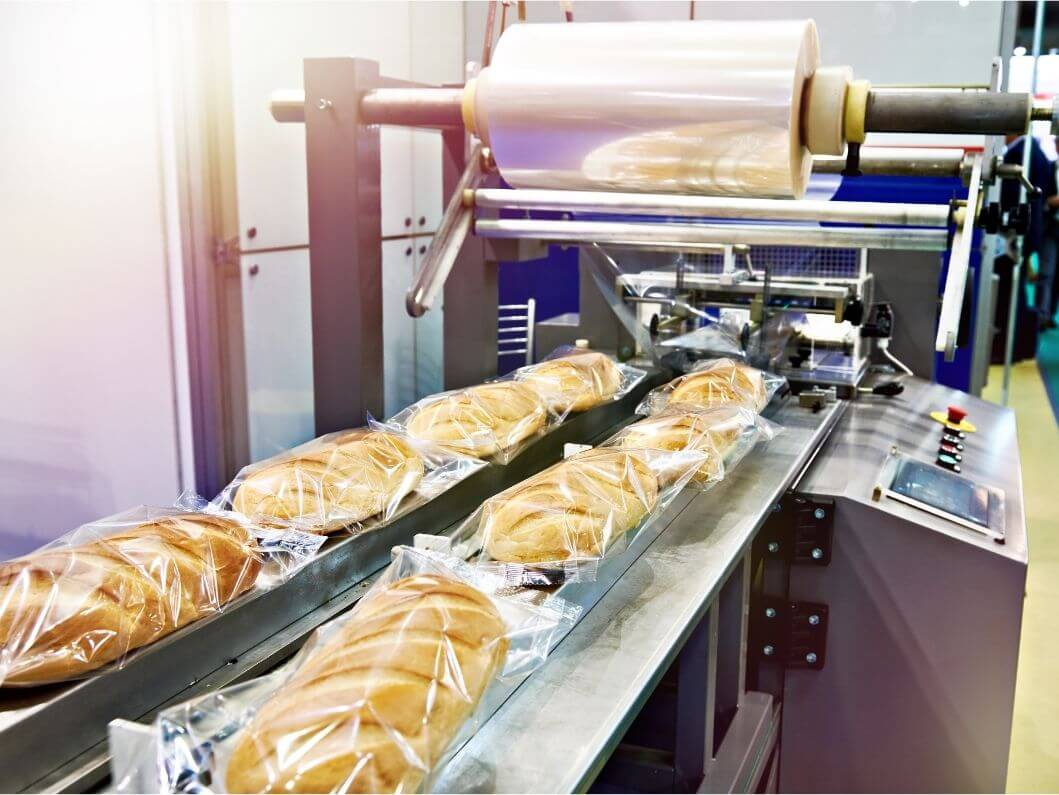
Co-packing can vary significantly depending on the processing type required by the product:
- Dry Packing: Common in the food industry for items like cereals, spices, and nuts. It involves packing dry food products into containers, sachets, or boxes.
- Liquid Packing: Used for beverages, oils, and sauces. This type requires specialized machinery to handle bottling, capping, and labeling.
- Freeze-drying and Chilled Packing: Often used for prepared meals, dairy products, and other perishables that need to be preserved through cooling or freezing.
- Blending and Mixing: This process is essential for products that involve combining various ingredients into a homogeneous mix, like powdered drinks or cosmetic products.
-
03 Benefits of Co-packing
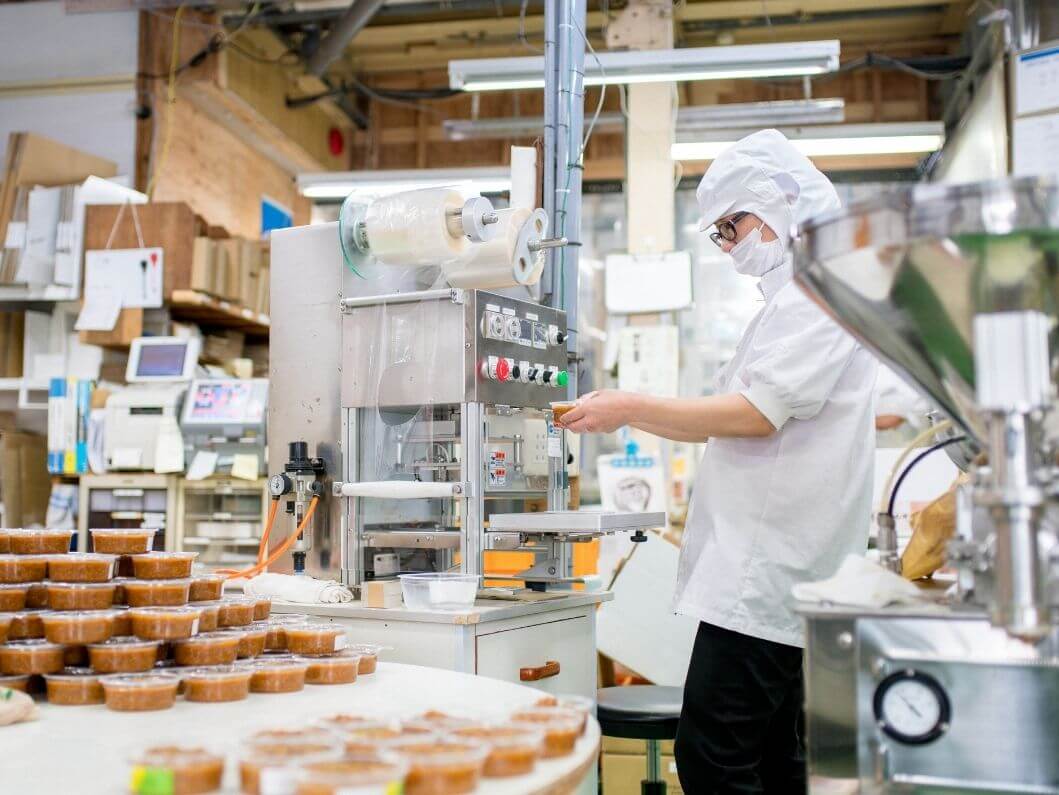
Co-packing offers several advantages:
- Cost Efficiency: By outsourcing manufacturing and packaging, companies can save on capital expenditures for production facilities and equipment.
- Scalability: Co-packers can quickly scale production up or down based on demand, providing flexibility to the client.
- Expertise and Quality Control: Co-packers often bring specialized expertise in manufacturing and compliance with regulatory standards, which can enhance product quality.
- Focus on Core Competencies: Companies can focus on their strengths such as product development, marketing, and sales, while leaving the complexities of production to the co-packer.
- Market Expansion: Co-packing allows companies to enter new markets more easily without significant upfront investment in local production facilities.
-
04 Examples of Co-packing Applications

- Food and Beverage: A startup beverage company might use a co-packer to produce and bottle its line of organic juices, leveraging the co-packer’s existing bottling technology and certifications in food safety.
- Cosmetics: A cosmetic brand might employ a co-packer to blend, fill, and package its skincare products, which requires precise formulation and sterile packaging conditions.
- Pharmaceuticals: Pharmaceutical companies often use co-packers for the packaging of medications in bottles, blister packs, or sachets, adhering to strict industry regulations and quality standards.
- Electronics: An electronics firm might contract a co-packer to assemble, test, and package electronic components or gadgets, utilizing the co-packer’s advanced assembly lines and testing facilities.


Your Gateway to Seamless Co-Packing Solutions
CoPack Connect can connect brands with contract manufacturers and packagers that offer co-packing services. We make it easy for businesses to find the right manufacturer for their needs and provide the tools and resources they need to manage their relabeling projects successfully.



2000+
Manufacturers


