

Colored Bottles Solutions that Create Competitive Advantage
Colored bottles are an increasingly popular choice in the packaging industry, offering both aesthetic appeal and functional advantages. Available in a variety of shapes, sizes, and hues, these bottles are designed to meet diverse market needs while providing a unique branding opportunity. The color can be purely decorative, adding vibrancy to a product’s appearance, or functional, serving to protect the contents from light, UV rays, or other external elements. Colored bottles are utilized across numerous industries, from personal care and cosmetics to food and beverage, pharmaceuticals, and household products.
-
01 Different Uses of Colored Bottles
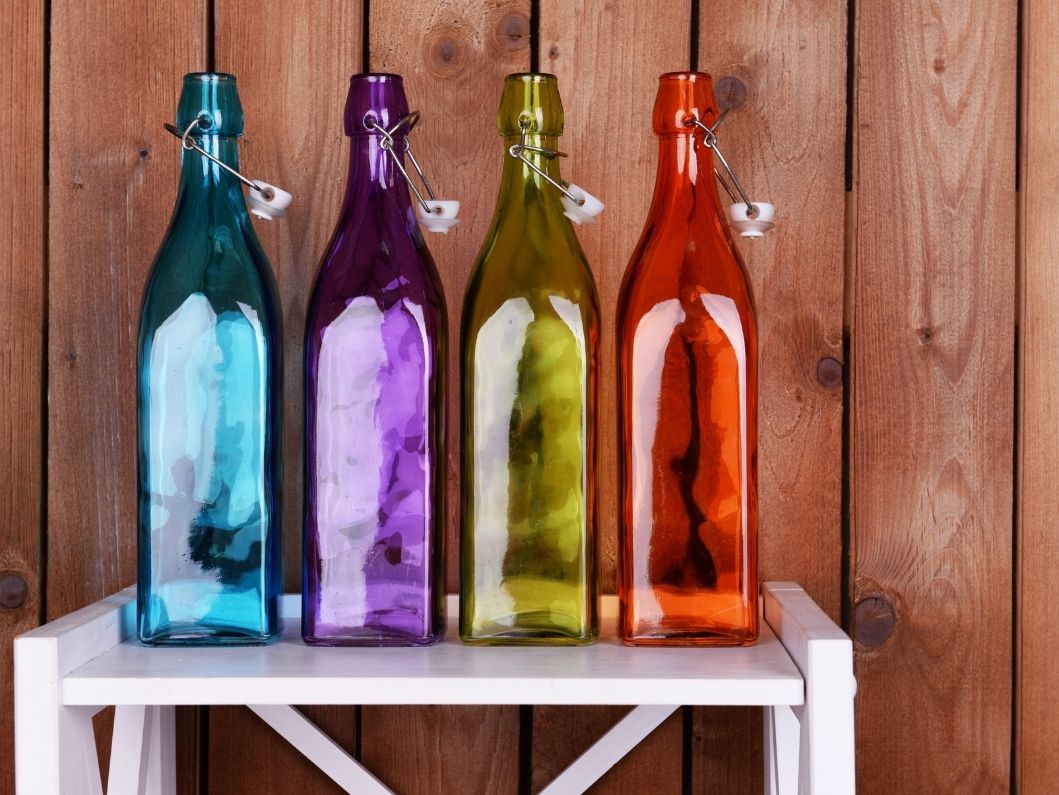
- Cosmetics and Personal Care: Commonly used for packaging products such as shampoos, lotions, serums, and perfumes. The color adds an element of sophistication and protection from light, preserving product efficacy.
- Food and Beverage: Ideal for items that require UV protection or simply a unique appearance, such as specialty drinks, sauces, oils, and condiments. Colored bottles can help maintain flavor and prevent spoilage.
- Pharmaceuticals: Widely used to protect light-sensitive medications and supplements. Amber-colored bottles, in particular, are known for their UV protective qualities.
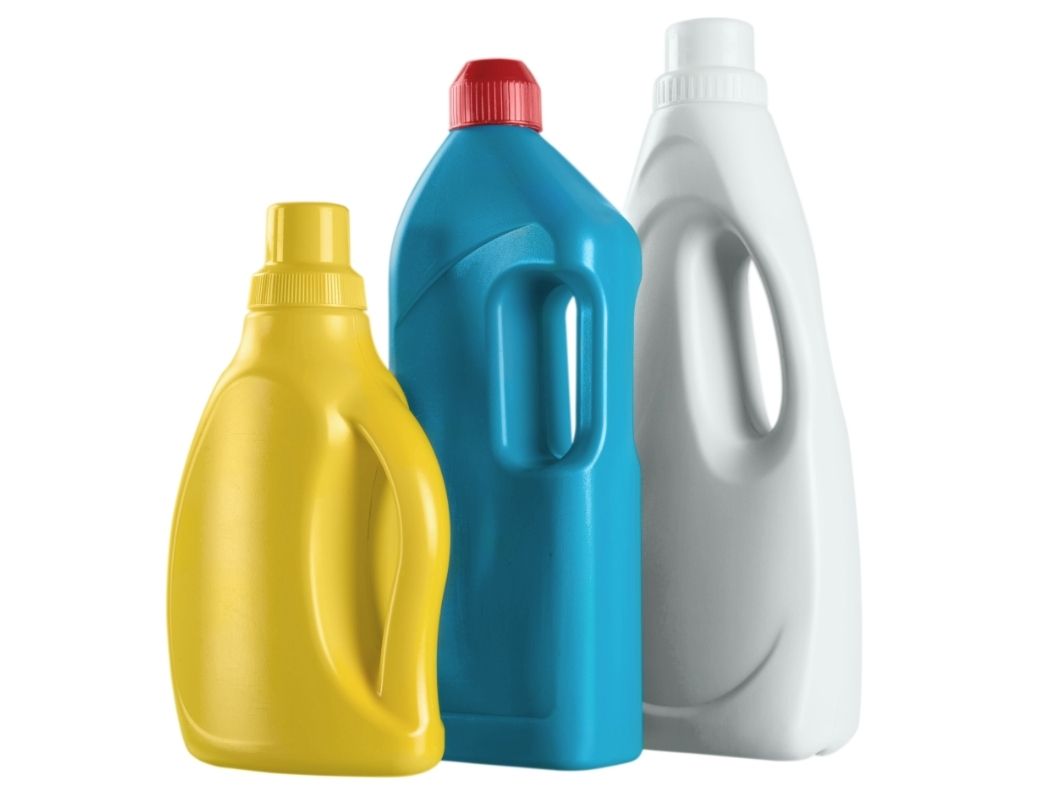
- Household and Industrial Products: From cleaning solutions to automotive fluids, colored bottles help distinguish between different types of products, ensuring safe and efficient use.
-
02 Features of Colored Bottles
- Material Variety: Colored bottles can be made from different materials such as glass, PET, HDPE, LDPE, and polypropylene. Each material provides different benefits, like durability, clarity, or flexibility, allowing brands to choose the most suitable option for their product.
- Color Options: Available in a spectrum of colors, from clear and frosted to vibrant reds, blues, greens, and more subtle earth tones. These colors can be infused into the material or applied as a coating.
- Design Flexibility: They come in a range of shapes and sizes, from small vials and dropper bottles to larger containers and jars, making them versatile for various applications.
- Protective Qualities: Certain colors, particularly amber and cobalt, provide added protection against UV light, helping to maintain the quality and integrity of sensitive contents like essential oils, pharmaceuticals, or food products.
- Customization: Colored bottles can be further customized with labels, embossing, or screen printing, allowing for distinctive branding and product information directly on the packaging.
- Barrier Properties: Some colored bottles offer excellent barrier properties against oxygen, moisture, and other environmental factors, which is crucial for extending shelf life and maintaining product freshness.
-
03 Benefits of Colored Bottles
- Brand Differentiation: The use of color in packaging helps products stand out on store shelves, making them more noticeable to consumers. It also reinforces brand identity through consistent color schemes and aesthetics.
- Consumer Appeal: Colored bottles often convey a sense of luxury and exclusivity, particularly when paired with sleek designs and high-quality materials. This appeal can enhance perceived product value and encourage purchase decisions.
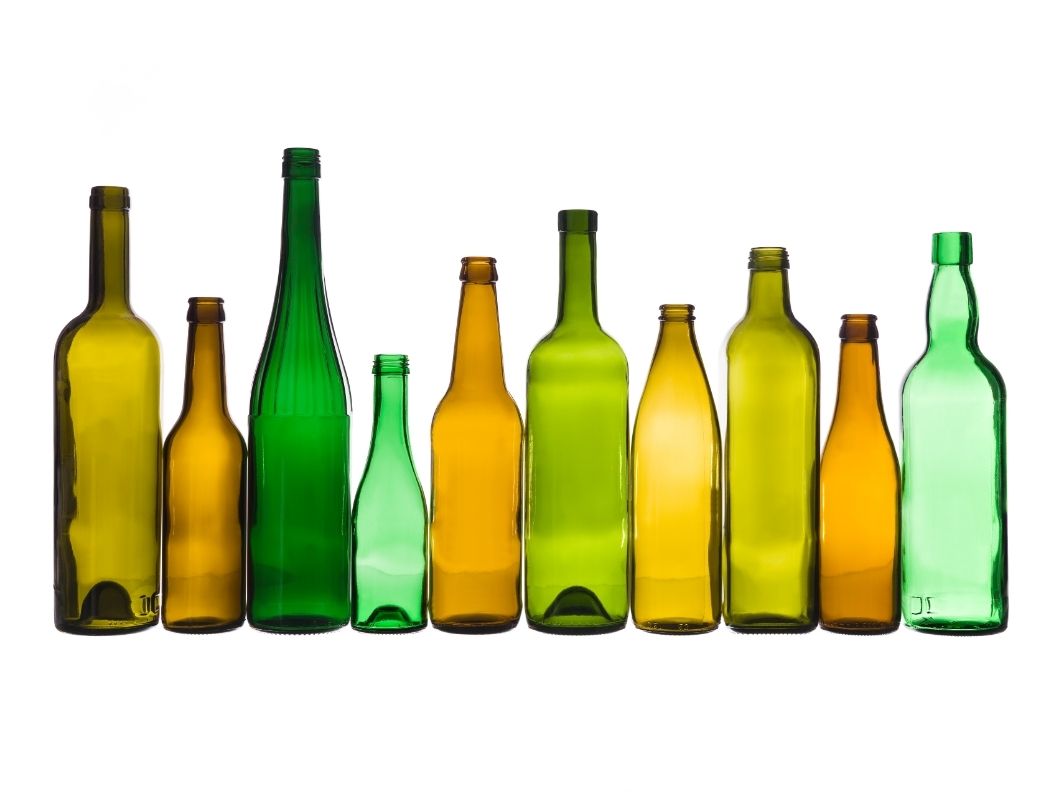
- Product Protection: Colors such as amber and green are not just for aesthetics—they provide functional benefits by blocking harmful UV light, which can degrade products like cosmetics, essential oils, and pharmaceuticals.
- Versatility Across Sectors: Suitable for a wide range of products, colored bottles are used in personal care, food and beverage, pharmaceuticals, and even industrial applications. This versatility makes them a popular choice among manufacturers.
- Sustainability: Many colored bottles are now made from recycled materials or are fully recyclable themselves, aligning with growing consumer demand for eco-friendly packaging solutions.
-
04 Environmental Impact and Sustainability of Colored Bottles
Modern advancements in packaging technology have made colored bottles more environmentally friendly. Many manufacturers now use sustainable practices, such as incorporating recycled content into their bottles or using bio-based materials. Additionally, the use of certain colors can reduce the need for additional packaging or preservatives, contributing to a lower environmental footprint. With increasing regulatory pressure and consumer demand for sustainable packaging, colored bottles are evolving to be not only a functional and aesthetic choice but also a responsible one.
Your Gateway to Colored Bottles Solutions
CoPack Connect can connect brands with contract packagers that offer colored bottles packaging services. We make it easy for businesses to find the right manufacturer for their needs and provide the tools and resources they need to manage their polycarbonate bottle packaging projects successfully.

2000+
Manufacturers


