

Contract Packaging
Composite Packaging
Composite packaging refers to a type of packaging material made by combining different materials, such as plastic, paper, metal, or other substances, to leverage the beneficial properties of each component. This method of packaging is commonly used to enhance physical protection, barrier properties, and functional aspects of the packaging to better suit specific product needs.
-
01 Features of Composite Packaging
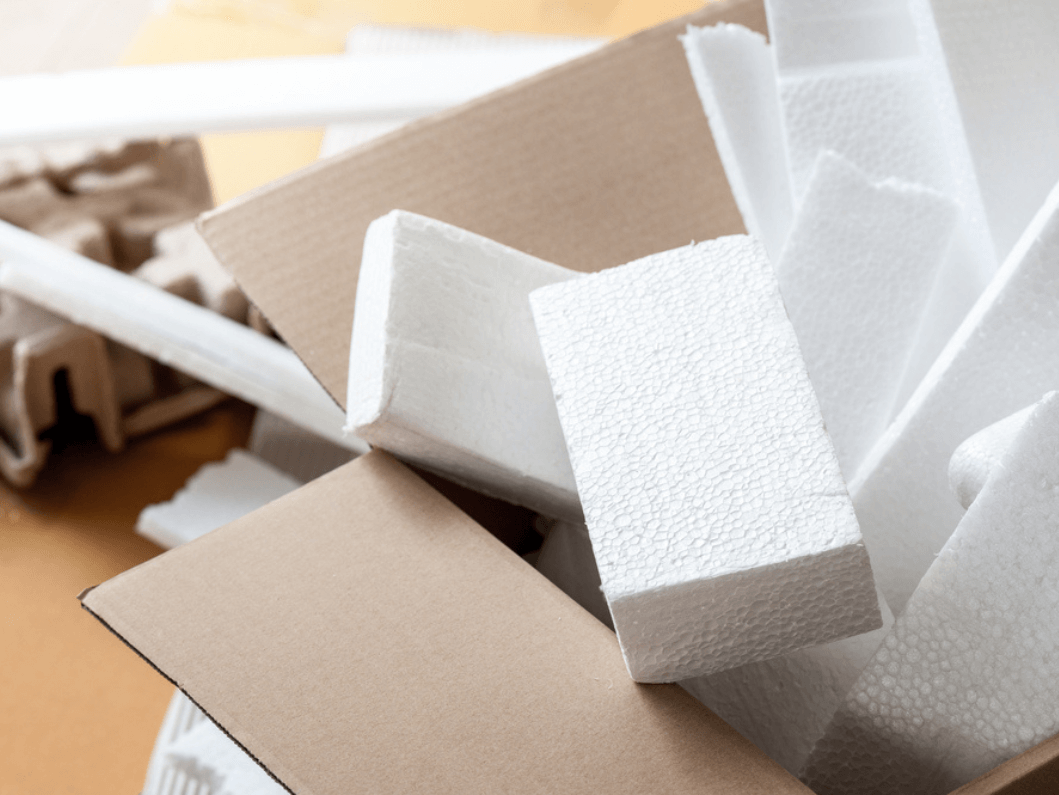
- Multi-Material Construction: Composite packaging typically involves layers of different materials, each selected for specific properties like strength, barrier protection, or aesthetic appeal.
- Enhanced Barrier Properties: By combining materials, composite packaging often achieves superior resistance to air, moisture, light, and chemical contamination, protecting the product’s integrity.
- Customizability: The flexibility in material choice and structural design allows for high customization to meet specific product requirements, branding, and consumer needs.
- Durability: These packages are more durable and resistant to various forms of stress, making them suitable for sensitive or long-life products.
-
02 Benefits of Composite Packaging
- Improved Product Protection: The enhanced barrier properties and strength help in maintaining product quality and extending shelf life.
- Resource Efficiency: Composite packaging can be designed to use materials more efficiently, often resulting in lighter packages that require less energy to transport.
- Versatility: Suitable for a wide range of products, including food, beverages, pharmaceuticals, cosmetics, and chemicals, due to its adaptability to different barrier needs and shapes.
- Consumer Appeal: Attractive and functional designs can be achieved, enhancing shelf presence and consumer convenience.
- Reduced Environmental Impact: Some composites are designed to be recyclable or to use less material than traditional packaging options, though the mixed-material nature can complicate recycling processes.
-
03 Different Uses of Composite Packaging
- Food and Beverage: For products that require controlled atmospheres or are sensitive to moisture or oxygen, such as coffee capsules, juice cartons, and ready meals.
- Pharmaceuticals: Protects sensitive medications from moisture, light, and air, thus maintaining their efficacy and shelf life.
- Cosmetics and Personal Care: Used in products that need protection from contamination and exposure, such as creams and perfumes.
- Chemicals: Especially for hazardous or volatile chemicals that require robust containment and barrier protection.
- Industrial Products: Packaging for automotive parts, electronics, and other components that require protection from moisture, dust, and mechanical damage.
-
04 Environment Impact and Sustainability of Composite Packaging
Composite packaging offers several benefits that enhance its functional and environmental value. Its superior product protection capabilities reduce waste by preserving perishable and sensitive items, helping to offset some environmental impacts. Additionally, because composite packaging is typically lighter and more durable than traditional materials, it decreases the emissions associated with transporting goods. Efforts to develop more recyclable and biodegradable composites, supported by regulatory improvements, are enhancing the sustainability of composite packaging. These initiatives contribute to aligning its functional benefits with environmental considerations.

Your Gateway to Seamless Composite Packaging Solutions
CoPack Connect can connect brands with contract packagers that offer composite packaging services. We make it easy for businesses to find the right manufacturer for their needs and provide the tools and resources they need to manage their composite packaging projects successfully.



2000+
Manufacturers


