

Dry Blending Solutions that Create Competitive Advantage
Dry blending combines multiple dry ingredients into a homogeneous mixture without introducing moisture or heat. This method preserves the physical integrity of powders, crystals, granules, and particulates. Successful dry blending depends on precise material handling, tight process control, and understanding of particle behavior. Uniform distribution of components ensures consistent product performance, flavor, color, nutrition, and texture across every batch. Dry blending supports critical manufacturing outcomes across food, nutraceutical, personal care, and industrial sectors.
The process follows a straightforward structure. Raw materials undergo inspection, sifting, and classification based on particle size, flow characteristics, and bulk density. Blend sequencing, agitation method, duration, and speed become calibrated to prevent segregation, preserve fragile ingredients, and achieve optimal homogeneity. Equipment cleaning, cross-contamination safeguards, and environmental controls ensure material integrity. Every decision during dry blending shapes downstream product quality, efficiency, and regulatory compliance.
-
01 Dry Blending by Processing Type
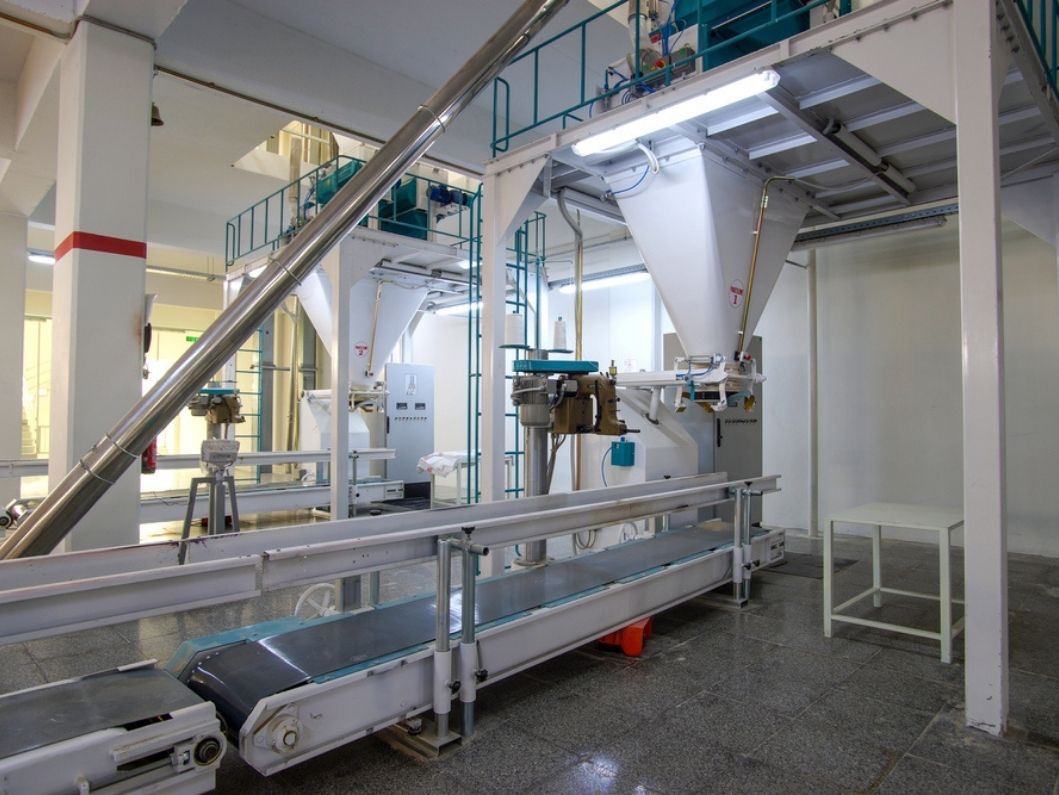
Different dry blending approaches meet specific material, production, and application needs:
- Low-Shear Blending: Gentle mixing for fragile powders or ingredients sensitive to degradation.
- High-Shear Blending: Aggressive mixing action to force uniform distribution of difficult-to-blend powders.
- Precision Batch Blending: Controlled small-batch production designed for specialty formulations or limited runs.
- Continuous Dry Blending: High-volume blending that supports uninterrupted manufacturing lines for consistent output.
- Agglomeration-Assisted Blending: Incorporating light binding to improve flowability, solubility, or reconstitution performance.
- Encapsulation-Aided Blending: Adding microencapsulated ingredients during blending to enable functional properties like flavor masking or time-release.
Choosing the correct processing method preserves ingredient function, enhances process efficiency, and minimizes waste. Equipment selection — ribbon blenders, paddle mixers, tumble blenders, or fluidized beds — further tunes the process to specific material requirements and end-product goals.
-
02 Benefits of Dry Blending
Dry blending delivers distinct operational advantages without compromising ingredient integrity. No exposure to moisture or high temperatures safeguards sensitive materials, preserving active compounds, texture, flavor, and color. Simplified logistics follow naturally — dry blending requires less energy, faster batch turnaround, reduced cleaning needs, and more flexible production scheduling. Brands and manufacturers improve consistency through precise dosing and homogeneous distribution, critical for meeting nutritional claims, performance specifications, and label compliance.
Cost control strengthens through fewer raw material losses, minimized rework, and faster changeovers. Contract manufacturers can accelerate time-to-market for new product launches, specialty SKUs, and seasonal offerings without heavy capital investment. Innovation pipelines stay flexible, enabling quick formulation changes and niche market explorations without disruption. Dry blending also aligns with sustainability initiatives by reducing water usage, energy input, and process waste across manufacturing operations.
-
03 Examples of Dry Blending Applications
Dry blending finds essential roles across many industries and product categories:
- Food and Beverage: Spice and seasoning blends. Instant drink mixes and coffee blends. Protein powder formulations. Baking premixes for cakes, muffins, and breads. Soup bases and dry sauce blends. Coating blends for snacks, nuts, and extruded products
- Nutraceuticals: Multivitamin and mineral powder formulations. Probiotic blends and botanical powder mixes. Functional meal replacement powders. Fortification pre-blends for dairy, cereals, and beverages
- Personal Care and Cosmetics: Bath salts, dry shampoos, and exfoliating scrubs. Powder-based facial and body products. Mineral makeup formulation
- Industrial and Specialty Applications: Agricultural powders such as seed coatings or soil amendments. Detergent and cleaning agent powders. Construction additives like cement blends or drywall compounds. Flame retardant powder formulations
Each dry blending application demands precise control over particle interaction, density distribution, and material stability to achieve consistent product behavior in use or further downstream processing.
Dry blending shapes product consistency, manufacturing speed, and market success. Winning brands trust material expertise, process control, and the right equipment to meet rising quality demands.
The right contract manufacturer helps brands stay faster, stronger, and ready to scale. Advanced blending capabilities, allergen controls, cleanroom handling, and flexible production give businesses the edge they need.
Your Bridge to Finding Efficient Dry Blending Services
Copack Connect can connect brands with contract packagers that offer Dry Blending. We make it easy for businesses to find the right manufacturer for their needs and provide the tools and resources they need to manage their Dry Blending projects successfully.

2000+
Manufacturers