

Drying Process Solutions that Create Competitive Advantage
Drying is an essential process used across multiple industries to remove moisture from materials, enhancing their preservation, storage, and usability. By applying methods like heat, airflow, or vacuum, drying effectively reduces water content, inhibits microbial growth, and extends product shelf life. This overview delves into the different types of drying, their key features, benefits, applications, and environmental considerations, providing a broad understanding of this crucial technique.
-
01 Key Features of Drying
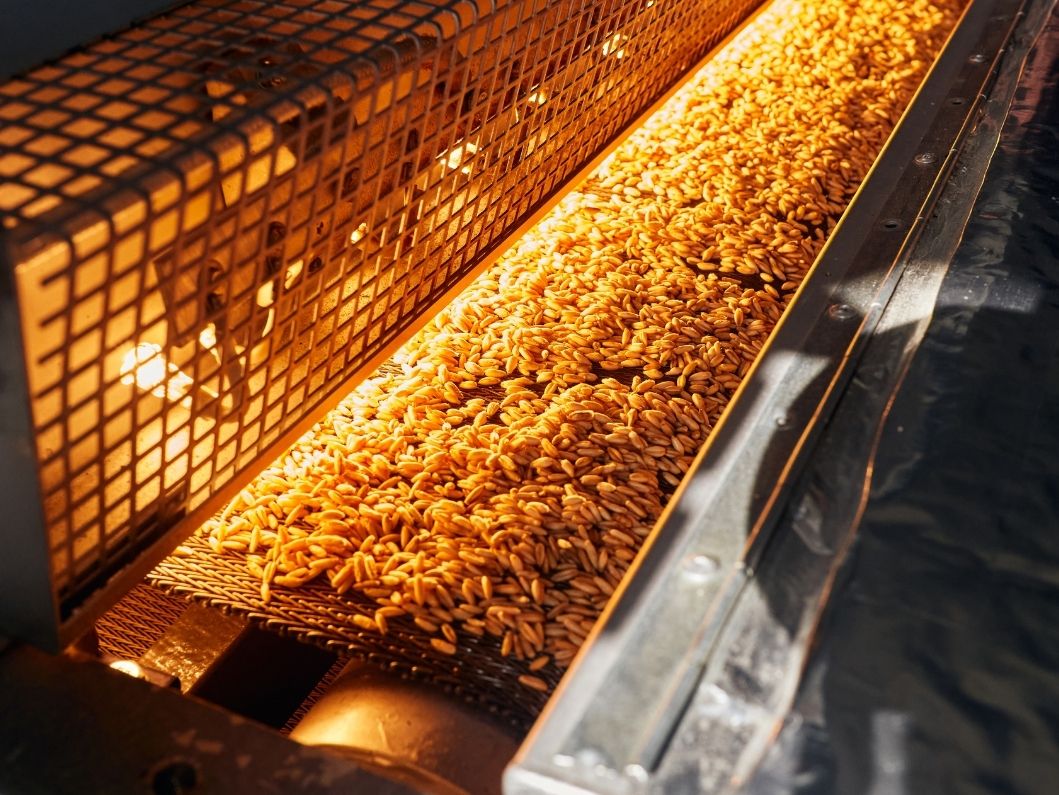
- Moisture Removal Efficiency: Effective drying technologies significantly reduce moisture to prevent spoilage and extend shelf life.
- Energy Efficiency: Advanced drying methods focus on minimizing energy consumption, which is crucial given the high energy demand of industrial drying processes.
- Material Quality Retention: Maintaining the quality, color, texture, and nutritional value of the dried product is essential, especially in food and pharmaceuticals.
- Automation and Control: Modern drying techniques incorporate sensors and control systems to precisely manage temperature, humidity, and drying time.
-
02 Types of Drying
- Air Drying: This is the most basic form of drying, relying on natural air movement and ambient temperatures. It is often used for agricultural products like grains and spices.
- Oven Drying: Utilizes enclosed spaces where heated air is circulated over the material. This method is common in culinary and laboratory settings.
- Spray Drying: A process where a liquid is atomized into a fine spray and dried very quickly with hot air in a large chamber. This is popular in the food and pharmaceutical industries for producing powders like milk powder and medications.
- Freeze Drying (Lyophilization): Involves freezing the material and then reducing the surrounding pressure to allow the frozen water in the material to sublimate directly from ice to vapor. It’s ideal for preserving sensitive biological materials like vaccines and other bio-pharmaceuticals.
- Drum Drying: Here, the material is applied to a heated drum’s surface. The material dries and is scraped off, commonly used in the production of flaked cereals and baby foods.
- Vacuum Drying: This method involves drying materials in a vacuum, which lowers the boiling point of water, enabling drying at lower temperatures. This is beneficial for heat-sensitive materials.
- Fluidized Bed Drying: Hot air is passed through a perforated bed, and the material to be dried is placed on this bed. The material behaves as a fluid, enhancing heat transfer and drying efficiency.
- Microwave Drying: Uses microwave energy to heat and dry materials. It’s particularly useful for rapid drying and is often used in processing ceramics and various food products.
-
03 Benefits of Using Drying
- Preservation: Drying effectively preserves perishables by inhibiting the growth of bacteria, yeasts, and molds that need water to grow.
- Reduction in Weight and Volume: Drying reduces the weight and volume, lowering storage and transportation costs.
- Extended Shelf Life: By removing moisture, dried products can be stored for extended periods without refrigeration.
- Convenience: Dried products often require minimal preparation, making them convenient for quick meal solutions.
-
04 Applications of Drying
- Food Industry: Producing dried fruits, vegetables, meats, spices, and instant coffee and soup mixes.
- Pharmaceuticals: Creating dry powders for medication, essential for ensuring stability and ease of dosage.
- Textile Industry: Drying fabrics and fibers post-dyeing to set colors and improve texture.
- Papermaking: Drying pulp to form paper and improve printability and strength.
- Chemical Industry: Drying chemicals to a solid form for easier handling and processing.
-
05 Environmental Considerations
The drying process, particularly industrial drying, can be resource-intensive, with significant energy consumption and potential environmental impacts. Here are key considerations:
- Energy Consumption: Drying can be one of the most energy-intensive processes in manufacturing. Using renewable energy sources and improving energy efficiency are crucial.
- Emissions: Some drying processes might emit volatile organic compounds (VOCs) and other pollutants. Adequate ventilation and emissions control technologies are necessary to minimize environmental impact.
- Waste Production: Residues from drying processes, such as spent biomass, might need special handling or disposal.
- Water Use: Although drying removes water from materials, many processes require significant amounts of water for cleaning and processing before drying, thus impacting water conservation efforts.

Your Gateway to Seamless Drying Services
CoPack Connect can connect brands with contract manufacturers and packagers that offer drying services. We make it easy for businesses to find the right manufacturer for their needs and provide the tools and resources they need to manage their drying projects successfully.



2000+
Manufacturers


