

Foam Trays Solutions that Create Competitive Advantage
Foam trays are a popular and practical packaging solution widely used across various industries for their lightweight, durable, and protective qualities. They come in different types and sizes, making them suitable for a wide range of products, from food items to industrial components. Foam trays are typically made from expanded polystyrene (EPS), polyethylene (PE), or other foam materials, offering excellent cushioning, insulation, and support. Their structure helps to protect products from damage during handling and transportation while providing an aesthetically pleasing presentation for retail displays.
-
01 Types of Foam Trays
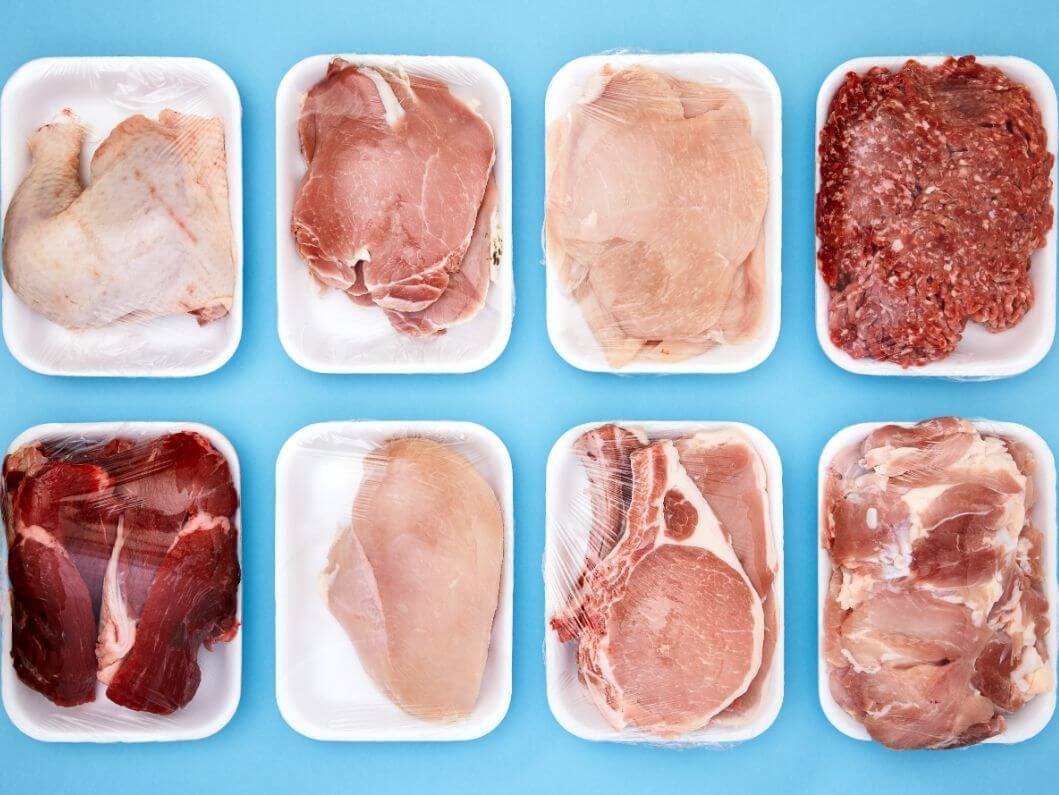
- Food-Grade Foam Trays: These are designed specifically for the food industry and are often used to package meats, poultry, seafood, fruits, and vegetables. They provide a clean, safe, and visually appealing way to display fresh foods in grocery stores and supermarkets. Food-grade foam trays are typically coated with a plastic film that acts as a barrier to prevent moisture and oxygen exposure, helping to maintain the freshness and quality of perishable items.
- Custom Molded Foam Trays: Tailored to specific shapes and sizes, these trays are designed to fit unique product dimensions. They are commonly used for packaging fragile items like electronics, glassware, and medical equipment. Custom molded foam trays provide exceptional cushioning and support, minimizing movement and protecting delicate products from impact and vibration during shipping.
- Compartmentalized Foam Trays: Featuring multiple sections, these trays are ideal for organizing and separating different items within the same package. They are often used in the food industry for meals or snack packs and in industrial applications to separate and protect various components or tools.
- Anti-Static Foam Trays: Designed for electronics and sensitive equipment, these trays are made from anti-static foam materials that prevent static electricity build-up. This feature is crucial in protecting electronic components from static discharge, which can damage delicate circuitry.
- Disposable Foam Trays: Widely used in the food service industry, these trays are lightweight, cost-effective, and convenient for single-use applications. They are ideal for events, cafeterias, and takeaway services, providing a quick and easy solution for serving and transporting food.
-
02 Features of Foam Trays

- Material: Commonly made from EPS or PE, foam trays offer lightweight yet durable protection. The foam structure provides excellent cushioning against impact, making them suitable for packaging delicate items.
- Insulation: Foam trays provide thermal insulation, helping to maintain the temperature of hot or cold products, making them ideal for food packaging.
- Customizable: Available in various sizes, shapes, and thicknesses, foam trays can be customized to fit specific product dimensions and packaging requirements.
- Moisture Resistance: Many foam trays are designed to resist moisture, preventing leaks and preserving product quality, especially for food and medical applications.
- Color Options: Foam trays are available in multiple colors, allowing for brand differentiation and enhancing visual appeal on retail shelves.
-
03 Benefits of Foam Trays
- Cost-Effective: Foam trays are generally more affordable than rigid packaging alternatives due to their lightweight nature and lower material costs. This makes them a cost-effective option for large-scale packaging operations.
- Protective: The cushioning properties of foam trays provide excellent protection for fragile items during transport, reducing the risk of damage and returns.
- Lightweight: Their low weight reduces shipping costs and makes them easy to handle for both consumers and retailers.
- Versatile: Foam trays are used across various industries, including food service, retail, electronics, pharmaceuticals, and automotive, highlighting their adaptability to different packaging needs.
- Visual Appeal: Foam trays provide a neat and clean presentation, making them attractive for displaying products in retail settings.
- Easy to Use: Foam trays are user-friendly, offering a straightforward solution for packaging and displaying products without the need for additional assembly or equipment.
-
04 Uses of Foam Trays
- Food Industry: Widely used for fresh meats, fish, poultry, fruits, and vegetables, foam trays help maintain freshness and enhance product presentation.
- Electronics: Ideal for packaging electronic components and devices, foam trays protect against static discharge and physical damage.
- Pharmaceuticals: Used for organizing and transporting medical supplies, foam trays offer secure and hygienic packaging solutions.
- Automotive and Industrial: Foam trays are used for packaging small automotive parts, hardware, and tools, ensuring they remain organized and protected.
- Retail Displays: Foam trays are commonly used in retail displays for a wide range of products, providing a clean and organized presentation that enhances consumer appeal.
-
05 Environmental Impact and Sustainability of Foam Trays
While foam trays have faced criticism for their environmental impact, advancements in recycling technologies and material innovations are improving their sustainability profile. Many foam trays are now made from recyclable materials or designed to be biodegradable, reducing their environmental footprint. Additionally, foam trays’ lightweight nature contributes to lower transportation emissions, as more products can be shipped using less fuel. The packaging industry continues to explore alternative materials and eco-friendly solutions to enhance foam trays’ sustainability, making them a viable option for businesses committed to reducing their environmental impact.


Your Bridge to Finding Efficient Foam Tray Services
CoPack Connect can connect brands with contract manufacturers and packagers that offer foam tray services. We make it easy for businesses to find the right manufacturer for their needs and provide the tools and resources they need to manage their projects successfully.



2000+
Manufacturers


