

Types of Folding Cartons Solutions that Create Competitive Advantage
Folding cartons are a popular type of paperboard packaging widely used across various industries due to their versatility, durability, and adaptability. These cartons are constructed from high-quality paperboard and are designed to fold flat when not in use, making them both space-efficient and cost-effective to transport. Available in multiple styles and finishes, folding cartons can be tailored to meet specific product requirements, making them a favored choice for businesses looking to enhance their packaging strategy.
-
01 Types of Folding Cartons
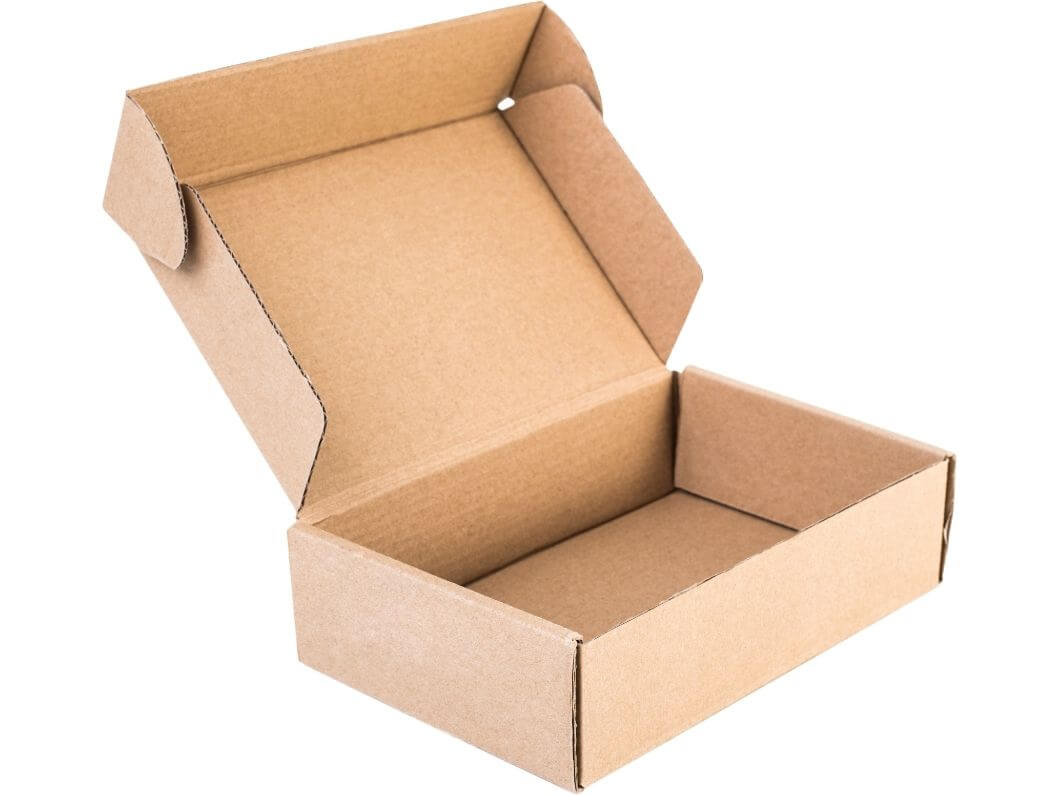
- Straight Tuck End (STE) Cartons: These cartons are designed with both top and bottom flaps that tuck in the same direction, providing a clean and professional appearance. They are ideal for lightweight products such as pharmaceuticals, cosmetics, and confectionery.
- Reverse Tuck End (RTE) Cartons: Featuring a top flap that tucks in one direction and a bottom flap that tucks in the opposite, RTE cartons offer enhanced structural integrity and are suitable for a wide range of products, including food items, toys, and small electronics.
- Auto Bottom Cartons: Designed for rapid assembly, auto bottom cartons feature a pre-glued bottom that automatically locks into place when opened, providing quick and efficient packing solutions for heavier items like beverages, bulk food products, and hardware.
- Crash Bottom Cartons: These cartons combine the ease of automatic assembly with additional support, making them perfect for heavier or delicate items that require extra protection during shipping.
- Seal End Cartons: With flaps on both ends that are sealed by adhesive, seal end cartons provide a secure packaging option ideal for products requiring tamper-evidence or added security, such as pharmaceuticals and powdered goods.
- Sleeve Cartons: Open-ended cartons that slide over products or trays, providing an extra layer of protection and branding opportunities. These are commonly used for luxury items, frozen foods, and multipack products.
-
02 Features of Folding Cartons

- Material: Typically made from high-quality paperboard, which can be coated or uncoated depending on the product’s needs. The choice of material can influence the carton’s durability, print quality, and overall appearance.
- Customizability: Folding cartons can be easily customized in size, shape, color, and finish. Options include embossing, debossing, foil stamping, windowing, and spot UV coating, allowing for a high degree of brand differentiation.
- Printing Capabilities: They offer excellent printing surfaces, making them ideal for high-quality graphics, vibrant colors, and detailed product information. This enhances shelf appeal and consumer engagement.
- Structural Integrity: Folding cartons provide solid protection against physical damage during transportation and storage, especially when constructed with reinforced paperboard or integrated with additional protective inserts.
- Convenience: They are designed to be easy to assemble, fill, and seal, ensuring efficient packing processes for manufacturers and reducing labor costs.
-
03 Benefits of Folding Cartons

- Cost-Effective: As a lightweight packaging option, folding cartons reduce shipping costs and require less material than rigid boxes, making them a cost-effective solution for manufacturers.
- Versatility: Folding cartons are suitable for a wide range of products across industries, including food and beverages, pharmaceuticals, personal care, electronics, and consumer goods.
- Branding Opportunities: With ample surface area for high-quality printing, folding cartons serve as an effective marketing tool, allowing brands to communicate directly with consumers through eye-catching designs and clear product information.
- Eco-Friendly Options: Made from renewable resources, folding cartons are recyclable and biodegradable, aligning with increasing consumer demand for sustainable packaging solutions.
- Space-Saving: Their ability to fold flat when empty allows for significant space savings during storage and transportation, reducing logistical costs and improving supply chain efficiency.
-
04 Uses of Folding Cartons

- Food and Beverage Industry: Commonly used for cereals, snacks, frozen foods, confectionery, and beverages, offering excellent protection and preserving freshness.
- Pharmaceuticals and Healthcare: Ideal for packaging medications, supplements, and medical devices, providing clear product labeling and instructions for use.
- Personal Care and Cosmetics: Used for a range of products from skincare creams to hair color kits, folding cartons provide both an attractive presentation and a protective barrier.
- Electronics and Small Appliances: Provide structural support and protection for fragile items such as mobile accessories, gadgets, and small home appliances, often incorporating internal inserts for added safety.
- Consumer Goods: Suitable for items like toys, games, household products, and DIY tools, offering a balance of protection, branding, and convenience.
-
05 Environmental Impact and Sustainability of Folding Cartons
Folding cartons are increasingly recognized for their environmental benefits. As a paper-based packaging solution, they are derived from renewable resources and are easily recyclable. Modern manufacturing techniques emphasize minimal waste and efficient use of resources, reducing the carbon footprint associated with production and disposal. Many companies are now adopting eco-friendly inks, coatings, and adhesives, further enhancing the sustainability profile of folding cartons. Their recyclability and biodegradability make them a preferred choice for environmentally conscious brands looking to reduce their impact on the planet.
Your Gateway to Folding Cartons Solutions
CoPack Connect can connect brands with contract packagers that offer folding cartons packaging services. We make it easy for businesses to find the right manufacturer for their needs and provide the tools and resources they need to manage their flat bottom pouches packaging projects successfully.


2000+
Manufacturers


