

Frying Solutions that Create Competitive Advantage
Frying is a culinary technique that involves cooking food by submerging it in hot oil or fat. This method is favored for its ability to quickly cook food while creating a crispy exterior and preserving a moist interior. Frying is integral to various cuisines, offering a unique texture and flavor enhancement to everything from vegetables and meats to sweets.
The process is a delicate balance of heat transfer and moisture control, where food is rapidly dehydrated on the surface to form a crust that locks in juices and minimizes oil absorption. Though often viewed critically for health concerns, using quality oils and proper frying techniques can allow for the enjoyment of fried foods within a balanced diet. This cooking method remains a cornerstone in both street food and gourmet kitchens, celebrated for its speed and the rich flavors it introduces to simple ingredients.
-
01 How Frying Works
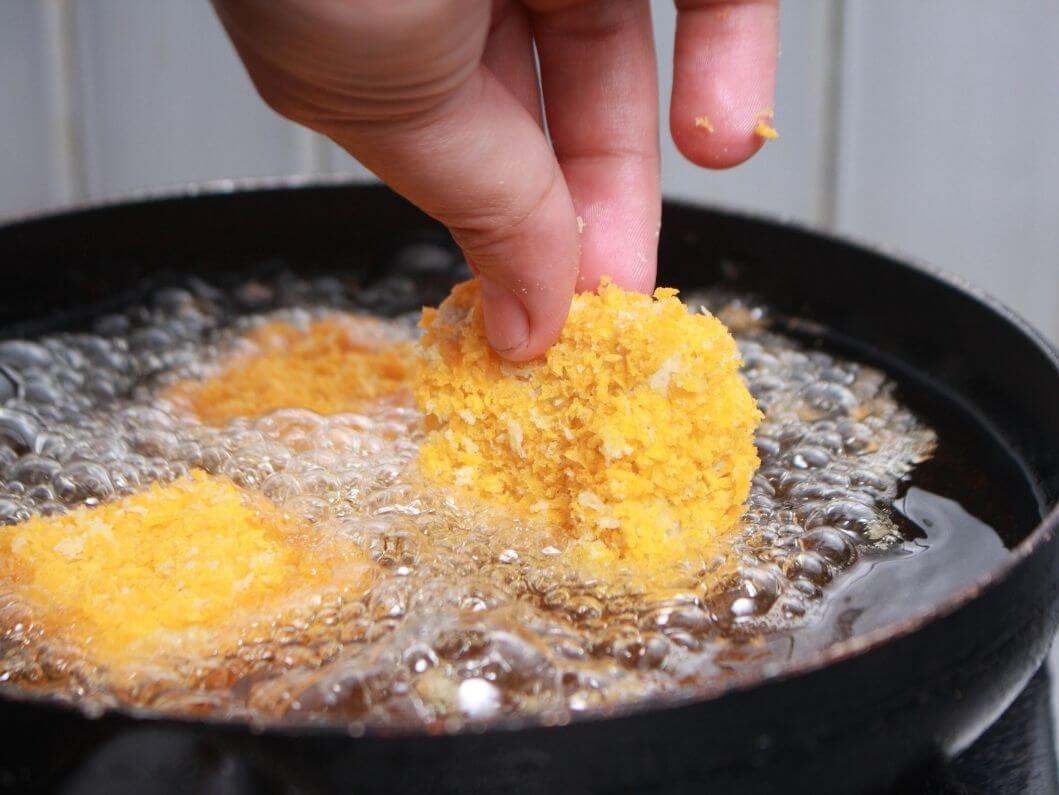
In frying, food is cooked by submerging it in hot oil, which is typically between 350°F and 375°F (175°C-190°C). The high temperature of the oil heats the water within the food, causing it to vaporize and cook the food rapidly. This process also produces a characteristic crispy, golden exterior while keeping the interior moist. The reaction that occurs at the surface of the food, known as the Maillard reaction, creates flavorful compounds and a pleasing brown color.
-
02 Frying by Processing Type

There are several types of frying, each suited to different types of food and culinary outcomes:
- Deep Frying: Food is completely submerged in hot oil, providing a quick and even cooking process. This method is used for foods like French fries, donuts, and chicken.
- Shallow Frying: Food is partially submerged in hot oil and often needs to be turned to cook evenly. It’s used for items like pancakes, eggs, and searing meat.
- Stir Frying: This method uses a small amount of very hot oil in a wok, with food stirred continuously. It’s a staple in many Asian cuisines for dishes like fried rice and stir-fried vegetables.
- Pan Frying: Similar to shallow frying, this method uses slightly more oil and is typically used for larger or thicker pieces of food such as steak or fish fillets.
- Sautéing: Using minimal oil and relatively high heat, food is quickly fried while being tossed in a pan. This is often used for vegetables and smaller pieces of meat.
-
03 Benefits of Frying
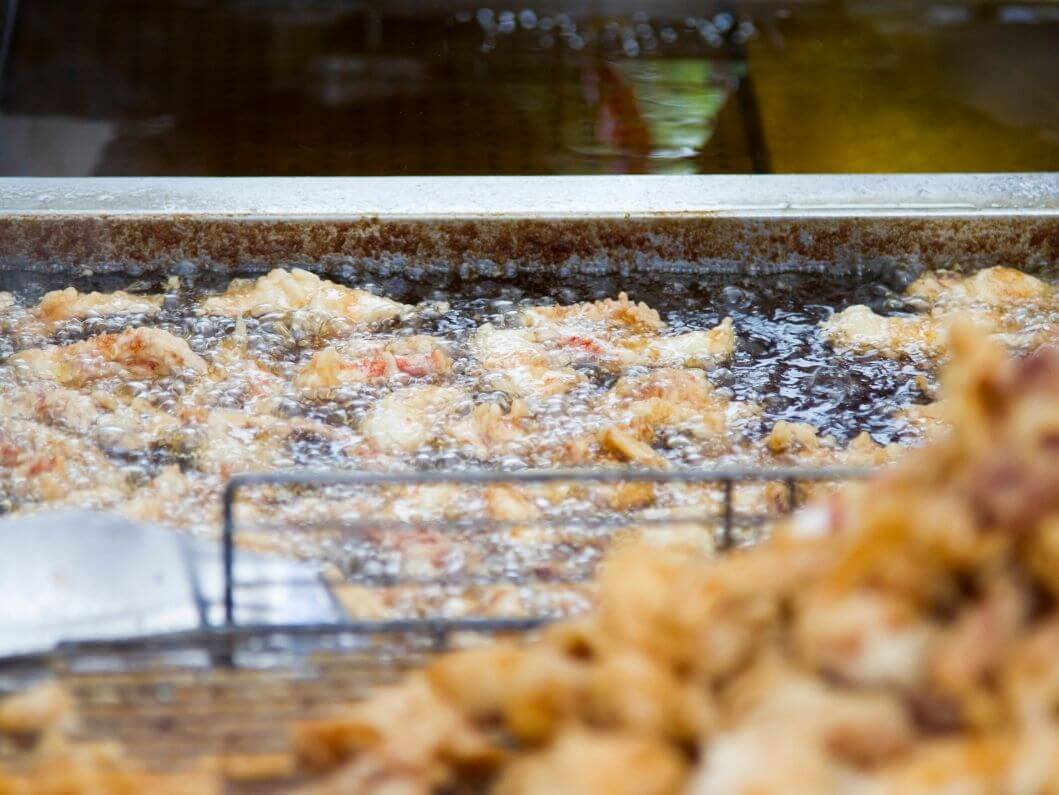
Frying food offers several benefits which contribute to its popularity:
- Flavor Enhancement: Frying imparts a rich, complex flavor due to browning and caramelization of sugars and proteins.
- Texture Contrast: Frying can create a crispy exterior while maintaining a tender or juicy interior, providing a satisfying texture contrast.
- Speed of Cooking: High temperatures allow for rapid cooking, which is particularly beneficial in fast-paced kitchen environments.
- Visual Appeal: Frying gives food an attractive golden color and can make dishes more appealing.
-
04 Examples of Frying Applications
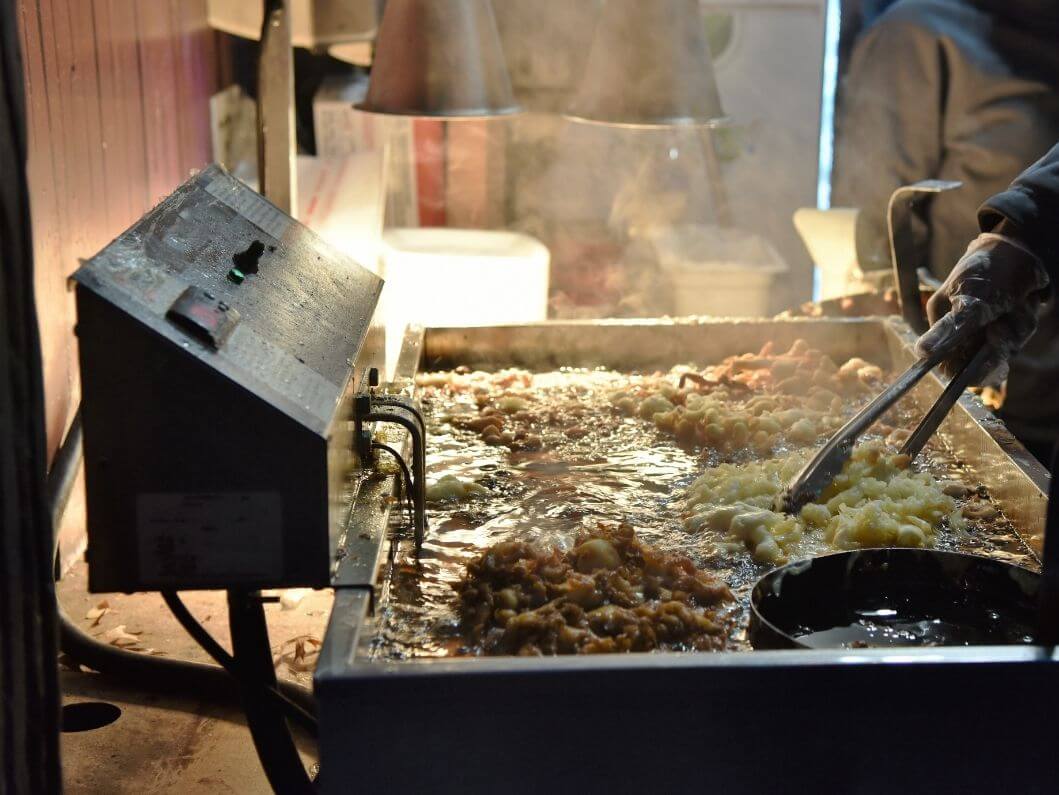
Frying is used in a wide variety of culinary applications:
- Snacks: Potato chips, tortilla chips, and various other snack foods are typically fried to achieve their signature crispiness.
- Main Dishes: Fried chicken, tempura, schnitzels, and samosas are just a few examples of main dishes that utilize frying for texture and flavor.
- Desserts: Many desserts, such as churros, doughnuts, and funnel cakes, rely on frying to create their delicate, airy textures.
- Street Foods: Around the world, street food often involves frying, from India’s pakoras to Japan’s takoyaki.


Your Gateway to Seamless Frying Solutions
CoPack Connect can connect brands with contract manufacturers and packagers that offer frying services. We make it easy for businesses to find the right manufacturer for their needs and provide the tools and resources they need to manage their relabeling projects successfully.



2000+
Manufacturers


