

Glass Jars Solutions that Create Competitive Advantage
Glass jars are a popular packaging option known for their durability, impermeability, and aesthetic appeal. With their transparent nature, durability, and ability to preserve the freshness of various products, glass jars have become a staple in many industries. From food and beverage to beauty and home goods, glass jars cater to a wide range of packaging needs.
-
01 Features of Glass Jars
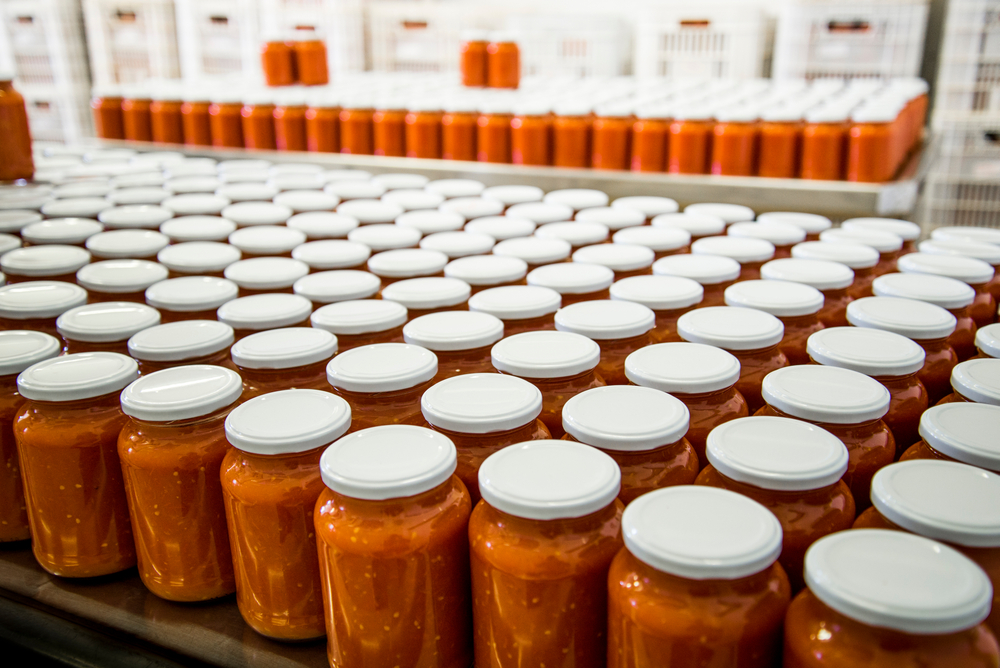
- Transparency: Glass jars offer clear visibility of their contents, making them ideal for display and easy identification.
- Chemical Stability: Glass is chemically inert, meaning it does not react with the contents it holds. This makes it safe for storing food, beverages, and chemicals.
- Impermeability: They provide an excellent barrier against moisture, air, and contaminants, preserving the integrity of the contents.
- Reusability: Glass jars can be cleaned and reused multiple times without degrading in quality or safety.
- Recyclability: Glass is 100% recyclable, and it can be recycled continuously without loss of purity or quality.
-
02 Benefits of Glass Jars
- Preservation of Flavor and Freshness: Due to their airtight seals, glass jars help maintain the flavor and freshness of food products.
- Health and Safety: Glass is free from chemicals like BPA, which are found in some plastics and can leach into food and beverages.
- Sustainability: The reusability and recyclability of glass contribute to its environmental friendliness, reducing waste and the need for new materials.
- Aesthetic Appeal: The clear, clean look of glass jars enhances product presentation, appealing to consumers who value both product visibility and packaging design.
- Durability: Although glass can break, it is generally quite strong and can withstand repeated use, which is excellent for long-term storage.
-
03 Different Uses of Glass Jars
- Food and Beverage Storage: Glass jars are widely used in the food industry for storing jams, honey, pickles, sauces, and beverages like juices and milk.
- Home Canning: They are ideal for home canning due to their heat resistance and ability to preserve the quality and taste of preserved foods.
- Cosmetics and Pharmaceuticals: Glass jars are used in the cosmetic and pharmaceutical industries because they do not react with ingredients, ensuring the product’s efficacy.
- Decorative Uses: Many people use glass jars for decorative purposes, such as candle holders, terrariums, and as containers for layered sand or rock displays.
- DIY Projects: They are a popular choice for DIY enthusiasts for making homemade gifts, such as bath salts, scrubs, and layered baking mixes.
- Commercial Packaging: Beyond food, glass jars are also used for premium packaging of items like spices, teas, and gourmet products, leveraging their premium look to enhance brand value.
-
04 Environmental Impact and Sustainability of Glass Jars
Modern glass jar manufacturing prioritizes sustainability by enhancing production efficiency and reducing waste. Key improvements include precise glass molding and the extensive use of recycled glass, known as cullet, which lowers both raw material needs and energy consumption by melting at a lower temperature. These sustainable practices minimize environmental impact and contribute significantly to the industry’s compliance with global environmental regulations. Glass jars are designed for multiple reuse cycles and can be fully recycled, embodying circular economy principles and significantly reducing the packaging sector’s ecological footprint.

Your Gateway to Seamless Glass Jars Solutions
CoPack Connect can connect brands with contract packagers that offer Glass Jars Solutions. We make it easy for businesses to find the right manufacturer for their needs and provide the tools and resources they need to manage their shock-absorbing packaging projects successfully.



2000+
Manufacturers


