

Granulations Solutions that Create Competitive Advantage
Granulation is a process in the manufacturing of materials, particularly prevalent in the pharmaceutical, chemical, and agrochemical industries. It involves converting fine powders or a mixture of powders into larger, more cohesive granules, typically through the addition of a binding agent or the application of heat and pressure. This process improves the flow characteristics, compaction, and dust reduction of the materials, making them easier to handle, measure, and process further.
-
01 How It Works
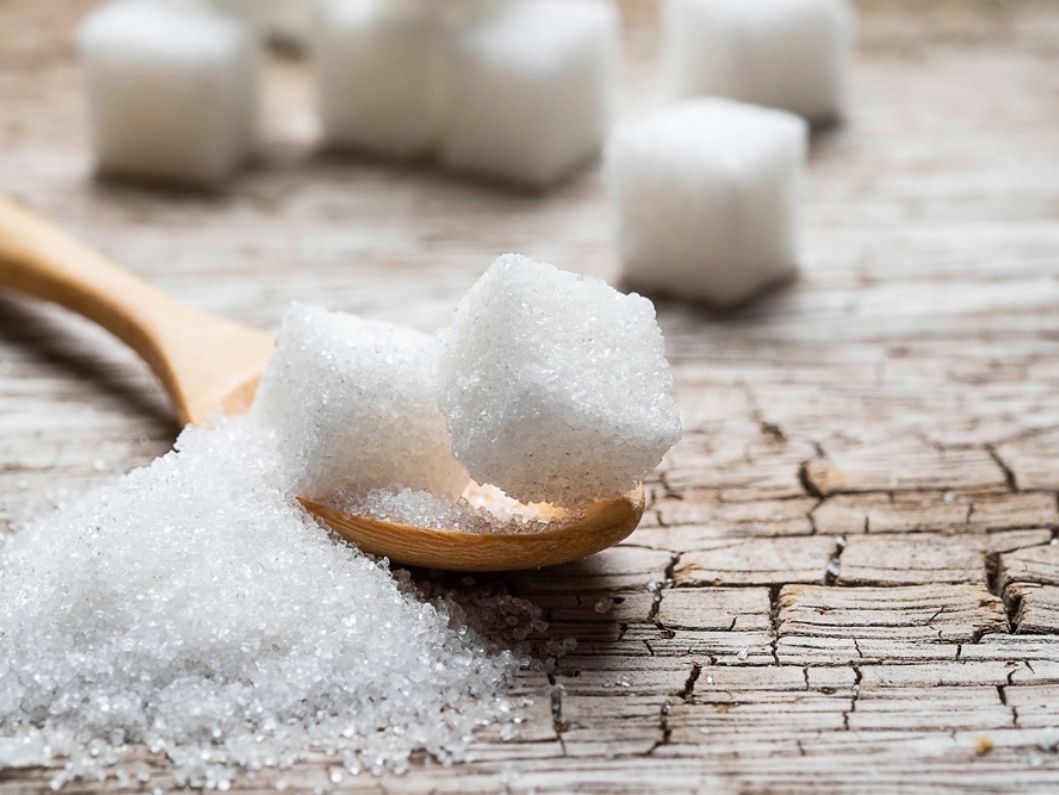
The granulation process can be broadly categorized into two main mechanisms: wet granulation and dry granulation, with each method suitable for different types of materials and desired outcomes.
- Wet Granulation: This is the most common form of granulation in pharmaceutical manufacturing. It involves adding a liquid binder or adhesive to the powder mixture. The wet mass is then processed through a granulator, where it is agitated to form wet granules which are subsequently dried. The binder acts as a medium to form bonds between powder particles upon drying.
- Dry Granulation: This method does not use any liquid binders. Instead, it relies on compaction and compression to bind powder particles together. Dry granulation is typically used when the product may be sensitive to heat or moisture. The powder is compacted under high pressure using a roller or tablet press to form slugs or flakes, which are then milled into granules.
-
02 Granulation by Processing Type
- Oscillating Granulators: These use an oscillating motion to gently press the powder into granules and are typically used for wet granulation.
- Roller Compactors: A key tool in dry granulation, roller compactors use force via rollers to compact powder into sheets or flakes.
- High Shear Granulators: Utilizing both mechanical force and air, these machines are designed for efficient wet granulation, rapidly mixing batches of powder with binder to produce granules.
- Fluid Bed Granulators: In this method, material is fluidized with air and a binder solution is sprayed onto the floating particles to form granules. It combines drying and granulation in one step, often used in the pharmaceutical industry.
-
03 Benefits of Granulation
- Improved Solubility and Dissolution Rates: Granulation can enhance the solubility of the product, which is crucial in pharmaceuticals where the rate of dissolution affects the drug’s bioavailability.
- Dust Reduction: By binding fine powders into larger granules, the process significantly reduces dust, creating a safer and cleaner working environment.
- Enhanced Flow Properties: Granules flow better than powders, which simplifies the processes of measuring, mixing, and transferring the material.
- Uniformity of Mix: Granulation helps in achieving a more uniform distribution of each component within a mixture, which is critical in ensuring consistent quality and performance of the final product.
- Increased Density and Compaction: Granulation increases the bulk density of the material, which reduces packaging, storage, and shipping costs.
-
04 Applications of Granulation
- Pharmaceuticals: Used extensively to improve the properties of raw materials used in tablet making and capsule filling, enhancing the consistency and quality of the final products.
- Food Processing: Granulation is used to create food products such as granola, powdered milk, and instant coffee, improving their reconstitution properties and stability.
- Agriculture: In the production of fertilizers and animal feed, granulation helps in controlling nutrient release and improving handling characteristics.
- Chemicals: Many chemical products, such as detergents and cleaning agents, are granulated to enhance solubility, reduce dust, and improve application efficiency.
- Recycling: Granulation is used in waste management, particularly in the recycling of plastics and metals, to facilitate easier handling, sorting, and reprocessing.

Your Gateway to Seamless Granulation Services
CoPack Connect can connect brands with contract manufacturers and packagers that offer granulation services. We make it easy for businesses to find the right manufacturer for their needs and provide the tools and resources they need to manage their granulation projects successfully.



2000+
Manufacturers


