

Contract Packaging
Insulated Packaging
Insulated packaging is a type of packaging solution designed to maintain temperature stability within a package during shipping and storage. This is particularly important for products that are sensitive to temperature changes, such as pharmaceuticals, foods, and electronic components. Insulated packaging varies to meet different shipping needs. Insulated boxes and containers are typically made from sturdy corrugated cardboard with polystyrene or polyurethane foam for thermal control. Soft, padded insulated mailers cater to smaller items, while thermal blankets and liners are ideal for larger freight shipments. Ice packs and gel packs often accompany these boxes to maintain cool temperatures during transit.
-
01 Features of Insulated Packaging
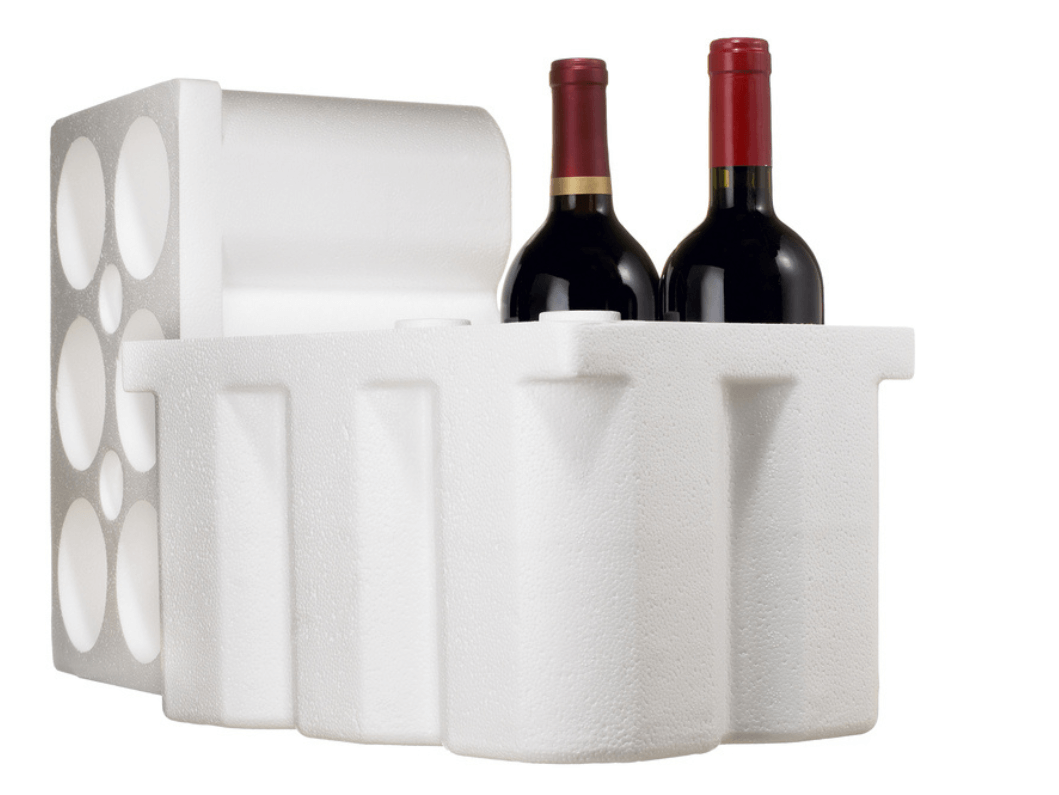
- Thermal Resistance: Insulated packaging is designed to resist thermal conductivity, helping to maintain the internal temperature of the package regardless of external temperature changes.
- Barrier Properties: It often includes barriers against moisture, gases, and light, further protecting the integrity of the contents.
- Durability: These materials are generally robust, providing physical protection against impacts and compressive forces during transit.
- Lightweight: Despite offering substantial protection, insulated packaging is usually lightweight to reduce shipping costs.
- Customizable: Many forms of insulated packaging can be customized in terms of size, shape, and thermal requirements to meet specific needs.
- Enhanced Safety: For pharmaceuticals and food items, maintaining the required temperatures can be critical for safety, preventing the growth of harmful bacteria or the degradation of active ingredients.
- Risk Management: Helps companies manage risk by reducing the likelihood of product recalls due to temperature abuse, thereby safeguarding their reputation and customer trust.
-
02 Benefits of Insulated Packaging
- Product Integrity: By maintaining stable temperatures, insulated packaging ensures that products like food, medicine, and cosmetics arrive in good condition, preserving their efficacy and freshness.
- Compliance: It helps in complying with regulations that govern the shipping of perishable and sensitive products.
- Cost-Effective: Reducing product spoilage leads to lower costs associated with returns and replacements.
- Consumer Satisfaction: Ensures products reach consumers in the best possible condition, enhancing user satisfaction and brand loyalty.
- Environmental Impact: Many insulated packaging options are designed to be reusable or recyclable, minimizing environmental impact.
- Customization and Scalability: Insulated packaging can be scaled and tailored to meet specific needs, from small biotech startups requiring the shipment of delicate samples to large food distributors managing national logistics.
-
03 Uses of Insulated Packaging
- Pharmaceuticals: Used to ship vaccines, biologics, and other temperature-sensitive medical supplies that require controlled environments.
- Food and Beverage: Essential for shipping perishable items like dairy, meat, frozen foods, and specialty products (e.g., chocolates) that need to remain at specific temperatures.
- Cosmetics and Beauty Products: Helps in the transport of products like creams and lotions that can degrade or separate under extreme temperatures.
- Chemicals: Certain chemicals that are reactive or unstable at varying temperatures are shipped using insulated packaging.
- Electronics: Protects sensitive components from extremes of temperature that could damage functionality.
-
04 Environmental Impact and Sustainability of Insulated Packaging
Modern insulated packaging prioritizes environmental sustainability by incorporating materials and practices designed to reduce its ecological footprint. These solutions improve efficiency by using highly thermal materials that eliminate the need for excessive packaging. The shift towards recyclable and biodegradable materials, such as plant-based foams and fibers, supports global sustainability efforts. Additionally, adopting energy-efficient production processes and easily recyclable materials helps decrease the energy consumption associated with manufacturing. These efforts contribute to lowering the overall environmental impact and ensure compliance with stringent environmental regulations, promoting a more sustainable industry.

Your Gateway to Seamless Insulated Packaging Solutions
CoPack Connect can connect brands with contract packagers that offer insulated packaging services. We make it easy for businesses to find the right manufacturer for their needs and provide the tools and resources they need to manage their insulated packaging projects successfully.



2000+
Manufacturers


