

Meat Processing Solutions that Create Competitive Advantage
Meat processing encompasses a range of methods applied to meat from animals such as cattle, pigs, and poultry, to modify, preserve, and enhance its flavor, texture, and shelf life. This process transforms raw animal proteins into ready-to-eat products and ingredients used across various cuisines and meals. Each type of meat processing employs specific techniques aimed at enhancing the natural characteristics of meat while ensuring it remains a nutritious and enjoyable part of diets worldwide.
Whether through ancient methods like drying and fermenting or modern practices like high-pressure processing, the fundamental goals of safety, preservation, and sensory enhancement remain the same. This wide range of techniques contributes significantly to global food culture and cuisine, offering consumers varied and valuable meat options.
-
01 How Meat Processing Works
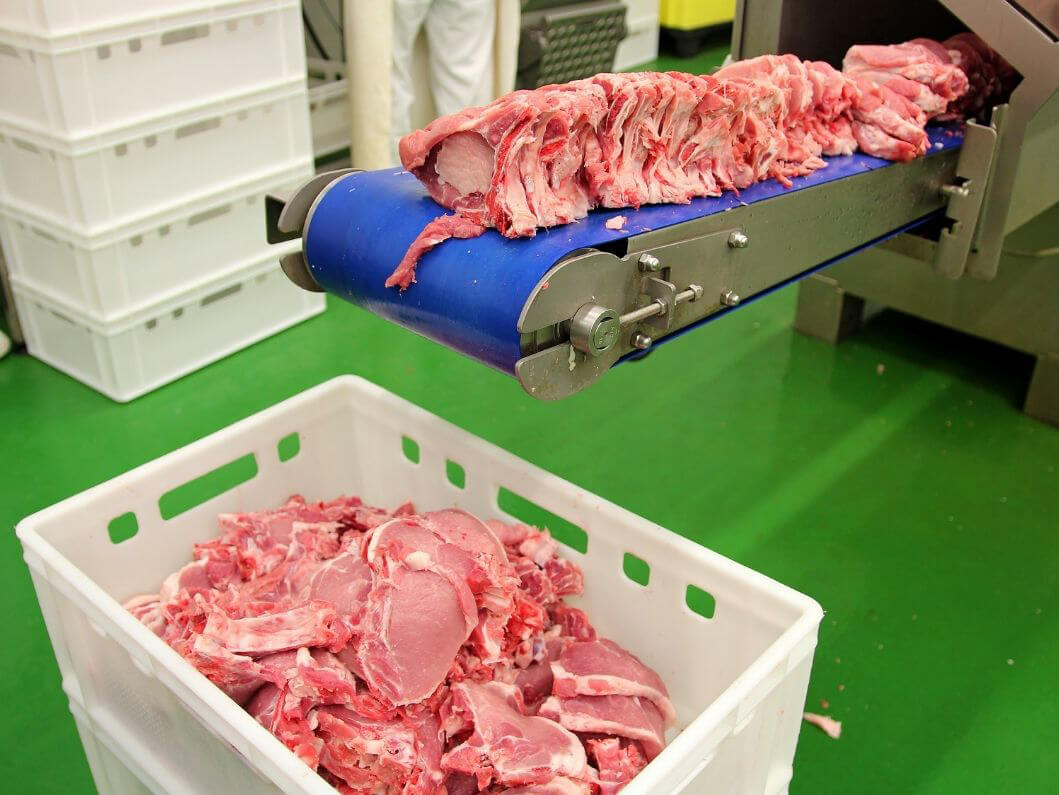
Meat processing involves several steps starting from the initial butchering of the animal to the final packaging of the processed product. Initially, the animal is slaughtered and the meat is harvested. This raw meat then undergoes various forms of processing which can include physical alterations like grinding and cutting, chemical processes such as salting and curing, and biological methods like fermentation.
The goals of meat processing are to make meat safer to consume, extend its durability, improve its taste and appearance, and make it easier to prepare and consume. Each type of processing impacts the meat differently, affecting everything from texture to flavor to nutritional content.
-
02 Meat Processing by Processing Type
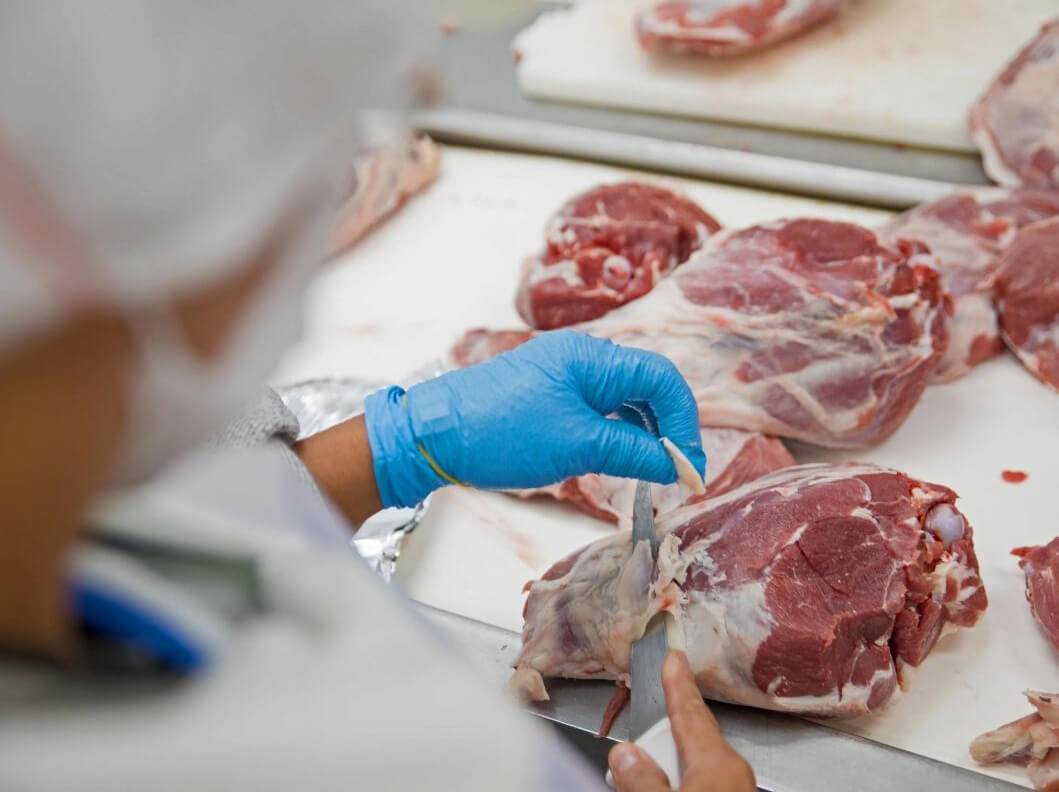
- Curing: This involves adding salts, nitrates, or sugar to the meat to inhibit microbial growth and extend shelf life. Cured meats are often smoked as well.
- Smoking: Meat can be cold-smoked or hot-smoked to impart flavor and further preserve it. Smoking adds a distinctive taste while also helping to dry the meat out, which inhibits bacterial growth.
- Fermentation: Some meats are fermented, where beneficial bacteria break down sugars in the meat to produce lactic acid, which acts as a natural preservative. Fermented sausages are a popular example.
- Freezing: Freezing meat preserves it by slowing down the activity of harmful bacteria and enzymes that cause spoilage.
- Drying: Removing moisture from meat inhibits the growth of microorganisms. Jerky is a well-known dried meat product.
- Cooking: Cooking meat (e.g., roasting, boiling) can be considered a form of processing as it makes the meat safe to eat and enhances its flavor and digestibility.
- Emulsifying: Used in the production of products like sausages and hot dogs, where fat and water are finely dispersed within the meat protein matrix to create a uniform texture.
-
04 Benefits of Meat Processing
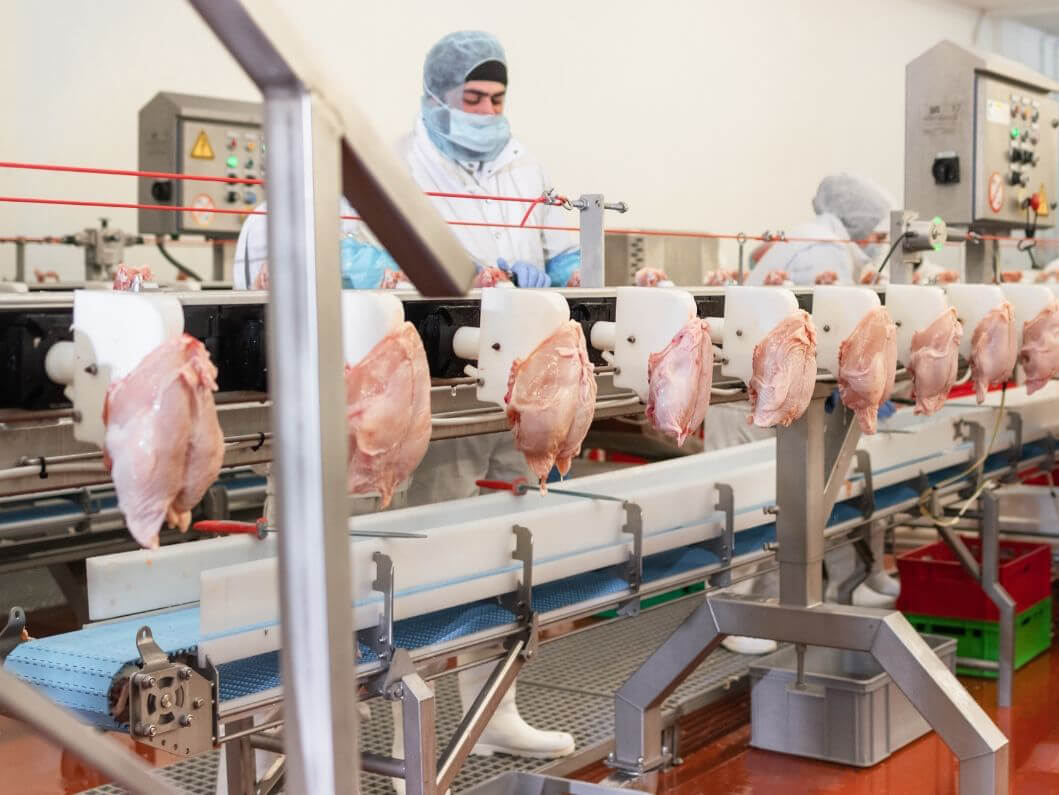
- Preservation: One of the primary benefits of meat processing is the extension of the product’s shelf life, allowing for safer long-term storage.
- Safety: Processes like cooking and curing destroy pathogens and reduce the risk of foodborne illnesses.
- Flavor enhancement: Many processing techniques, such as smoking and curing, add desirable flavors to meat that improve its palatability.
- Variety: Meat processing allows for a wide range of products, catering to diverse tastes and dietary needs.
- Convenience: Processed meats are often ready to eat or require minimal preparation, which saves time and effort in meal preparation.
-
05 Examples of Meat Processing Applications
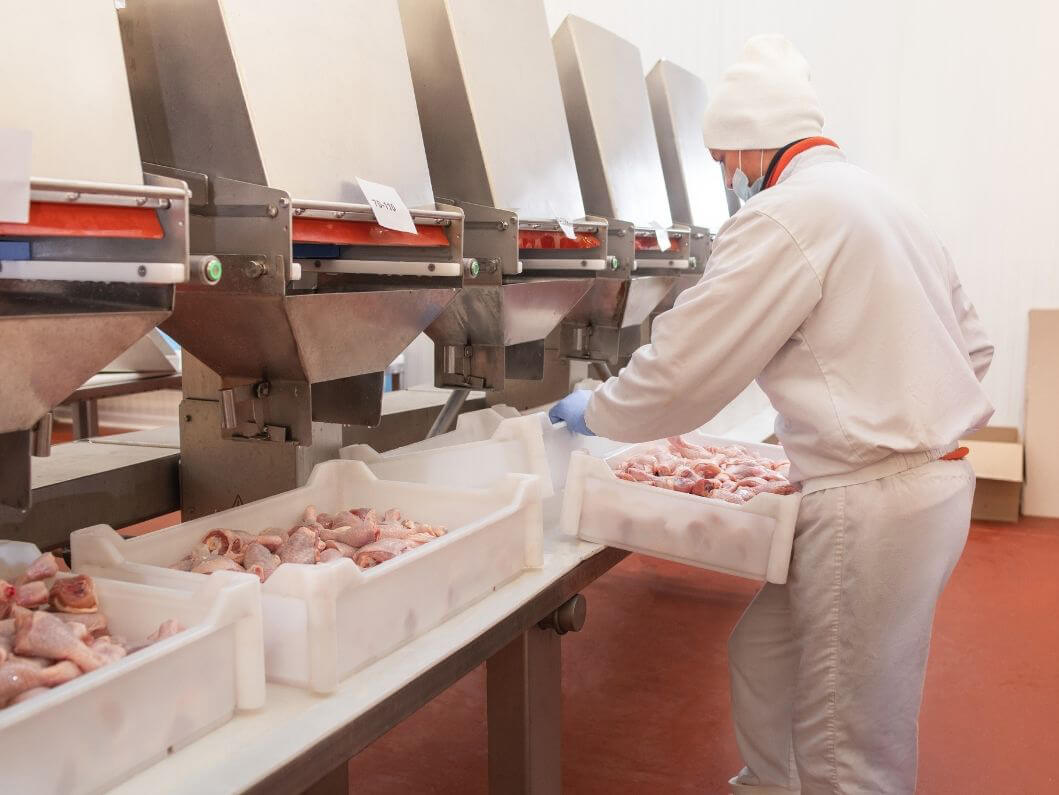
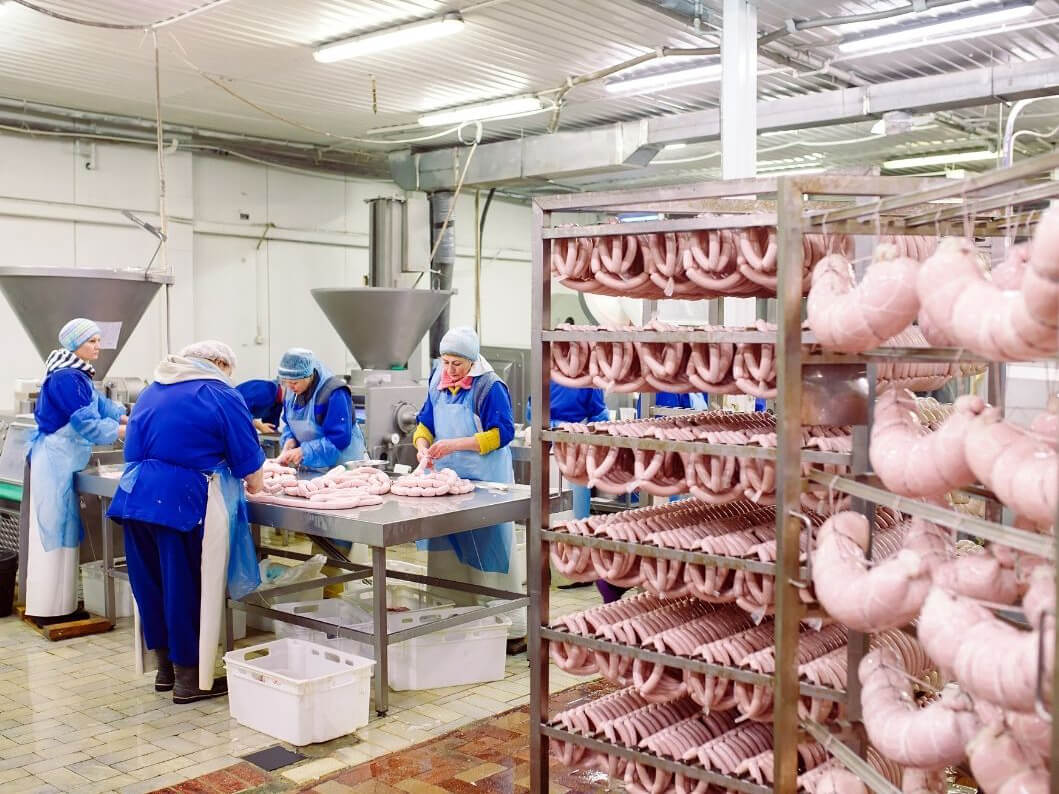
- Sausages: Made by grinding or chopping meat, mixing it with seasonings, and encasing it in skins.
- Bacon: Typically made from pork belly or back cuts, which are cured, seasoned, and smoked.
- Ham: Pork leg cured with salt and sometimes smoked or cooked.
- Jerky: Lean meat that is trimmed of fat, cut into strips, and dried to prevent spoilage.
- Canned meat: Cooked and then canned to ensure it is shelf-stable, such as corned beef and canned ham.


Your Gateway to Seamless Meat Processing Solutions
CoPack Connect can connect brands with contract manufacturers and packagers that offer meat processing services. We make it easy for businesses to find the right manufacturer for their needs and provide the tools and resources they need to manage their relabeling projects successfully.


2000+
Manufacturers


