

Microwavable Trays Solutions that Create Competitive Advantage
Microwavable trays have become an essential part of modern packaging, offering a practical solution for consumers and businesses alike. Designed specifically for use in microwave ovens, these trays are crafted from materials that can withstand high temperatures while ensuring food safety and integrity. Available in a variety of types to cater to different food items and preparation needs, microwavable trays are ideal for both single-use and multiple-use applications.
-
01 Types of Microwavable Trays
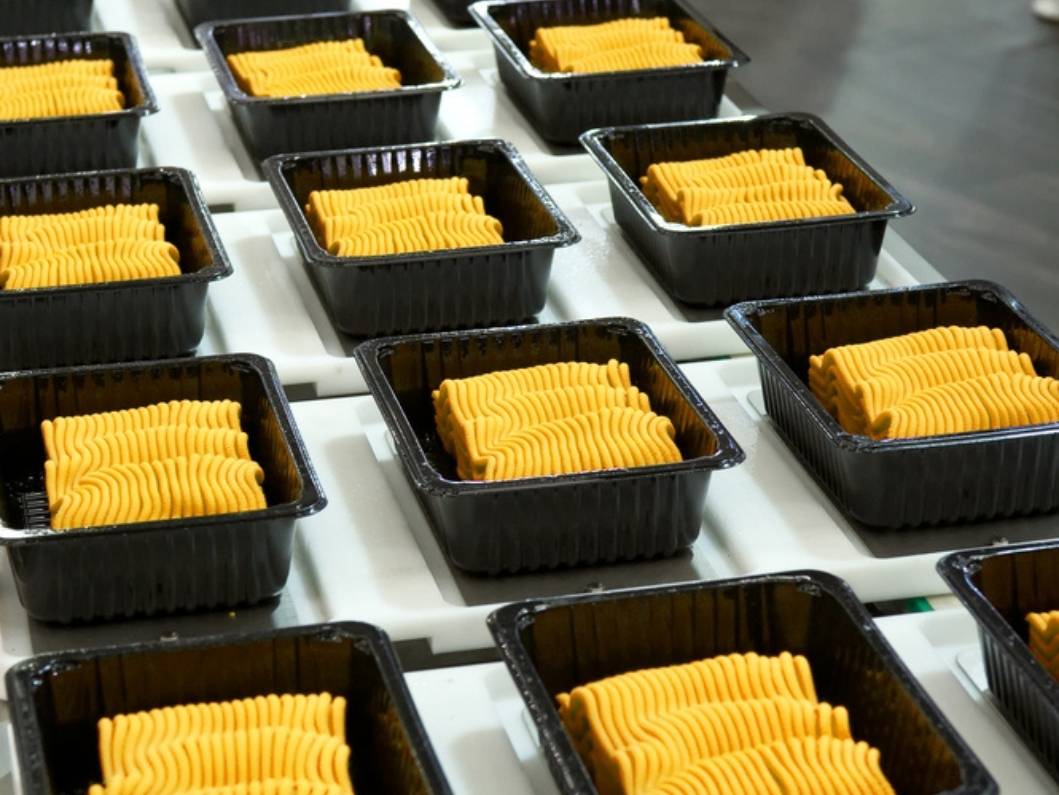
- Single-Compartment Trays: These are the most common type, designed to hold a single meal portion. They are perfect for ready-to-eat meals, frozen dinners, and takeout dishes, providing a convenient way for consumers to heat and serve food directly from the tray.
- Multi-Compartment Trays: Featuring multiple sections within a single tray, these are designed to keep different food items separate during storage and heating. This type is ideal for meals that include side dishes or sauces, ensuring that flavors do not mix and that each component maintains its intended texture and taste.
- Vented Trays: These trays include built-in vents or perforations that allow steam to escape during the microwaving process, preventing moisture buildup that could make food soggy. Vented trays are perfect for dishes like pasta, rice, or vegetables that benefit from steam release.
- Dual-Purpose Trays: Crafted from dual-purpose materials, these trays are suitable for both microwave and conventional oven use. They are ideal for businesses looking to offer flexible heating options to customers, particularly in the takeout and delivery market.
-
02 Key Features of Microwavable Trays
- Heat Resistance: Made from materials like polypropylene or crystallized PET, microwavable trays are designed to withstand the high temperatures of microwave cooking without warping or releasing harmful chemicals.
- Safety: These trays are BPA-free and comply with food safety regulations, ensuring that they do not leach harmful substances into food during the heating process.
- Durability: The robust design of microwavable trays prevents cracking or breaking, even when handling hot food straight from the microwave.
- Customization: Trays can be tailored in terms of size, shape, and compartmentalization to meet specific product needs. They can also be customized with branding elements, enhancing visibility and consumer appeal.
- Clear Lids: Many microwavable trays come with clear lids that allow consumers to see the contents without opening the packaging, improving convenience and food presentation.
-
03 Benefits of Using Microwavable Trays
- Convenience: These trays offer a ready-to-heat solution for consumers, eliminating the need to transfer food to separate cookware. This feature makes them particularly popular in fast-paced environments like offices, schools, and homes.
- Food Safety: Designed to prevent food contamination, microwavable trays maintain the quality and safety of food products from preparation to consumption.
- Portion Control: The size and design of the trays help with portion control, which is beneficial for diet-conscious consumers or meal prep services.
- Reduced Cleanup: Microwavable trays minimize cleanup by eliminating the need for additional dishes, making them a practical option for both consumers and food service providers.
- Versatility: Suitable for a wide range of food types, including frozen meals, fresh salads, desserts, and hot entrees, microwavable trays are versatile packaging solutions for various food service applications.
-
04 Applications of Microwavable Trays
- Food Service Industry: Widely used in restaurants, cafes, and catering services for takeout and delivery options. They are ideal for hot entrees, combo meals, and side dishes, providing a complete meal experience in a single package.
- Meal Prep Companies: These trays are a staple in meal prep businesses that offer pre-cooked, portioned meals to health-conscious customers who value convenience.
- Retail and Grocery: Microwavable trays are commonly found in the frozen food sections of supermarkets, containing everything from single-serve dinners to family-sized meals.
- Institutional Use: Schools, hospitals, and corporate cafeterias utilize microwavable trays for serving meals that are easy to prepare and distribute while maintaining hygiene standards.
-
05 Environmental Considerations
The growing demand for sustainable packaging has led to innovations in microwavable tray materials. Many trays are now made from recyclable or compostable materials, reducing their environmental impact. Manufacturers are also exploring the use of biodegradable plastics and plant-based materials to offer more eco-friendly options. Moreover, the durability and reusability of certain microwavable trays encourage multiple uses, further minimizing waste. By choosing microwavable trays designed with sustainability in mind, businesses can align their packaging practices with consumer expectations and environmental regulations.

Your Gateway to Microwavable Trays Solutions
CoPack Connect can connect brands with contract packagers that offer microwavable trays packaging services. We make it easy for businesses to find the right manufacturer for their needs and provide the tools and resources they need to manage their polycarbonate bottle packaging projects successfully.



2000+
Manufacturers


