

Milling Solutions that Create Competitive Advantage
Milling is a versatile manufacturing process characterized by the use of a rotating cutting tool to remove material from a workpiece. This technique is essential for producing complex shapes and achieving high precision across a variety of materials. Milling can be performed using a variety of machines, from basic manual ones to advanced CNC (Computer Numerical Control) systems. CNC machines automate the process, enhancing accuracy by controlling the tool and workpiece movements precisely. They can operate on multiple axes—up to five—allowing for the creation of complex geometries that manual operations can’t achieve.
The process’s adaptability to different materials and complex operations makes it essential in industries requiring precision and intricate components, such as aerospace and medical device manufacturing. Milling is also crucial for producing prototypes, custom tooling, and specialized manufacturing fixtures, underscoring its importance in modern manufacturing.
-
01 How Milling Works
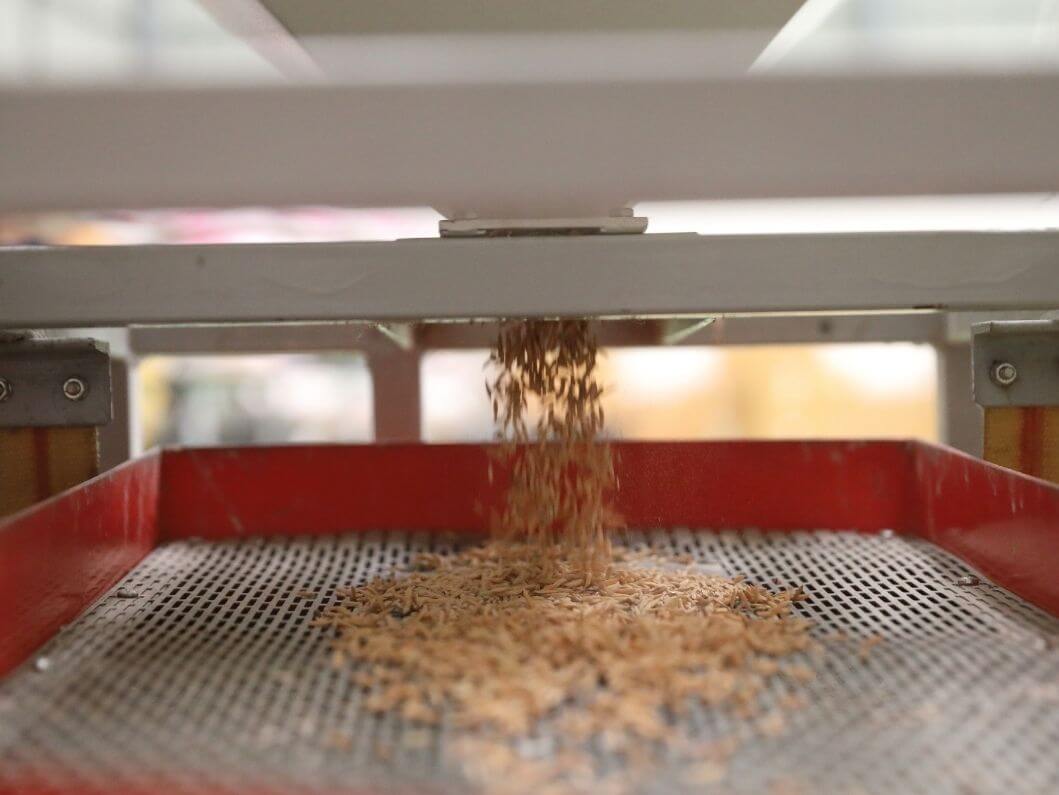
Milling involves several components: the machine, the workpiece, the cutting tool, and settings such as speed and feed rate. Here’s how it typically unfolds:
- Setup: Begin by preparing the milling machine, installing the cutting tool, and securing the workpiece.
- Tool Selection: Choose the appropriate tool based on the material and the specific operation, considering factors like tool material and geometry.
- Cutting Action: The tool rotates at high speed and moves across the workpiece, removing material through shearing action.
- Adjustments: Material removal efficiency is influenced by the tool’s speed, the feed rate, and the depth of the cut.
- Multi-axis Movement: For intricate shapes, the tool and workpiece may move along multiple axes, allowing for the creation of complex features.
- Cooling and Lubrication: Apply coolants or lubricants to reduce heat and friction, enhancing the surface finish and tool longevity.
- Finishing: Make final passes with precise adjustments to achieve the desired dimensions and surface quality.
-
02 Milling by Processing Type
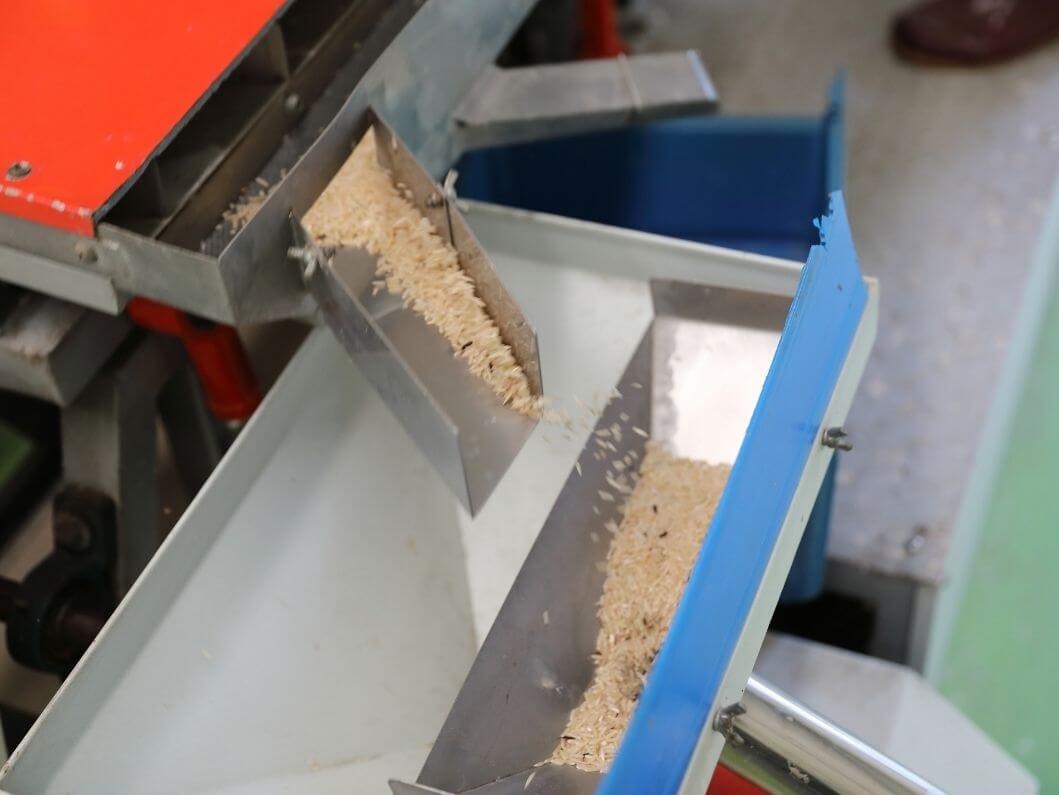
There are several types of milling processes, each suited to different manufacturing needs:
- Face Milling: This involves cutting with the end of a rotating tool to flatten the surface of the workpiece. The tool’s face contains multiple cutting edges that simultaneously remove material over a wide surface area.
- Peripheral Milling: In this method, the cutting occurs along the circumference of the cutting tool. This is useful for cutting deep slots and contours along the outer edges of the workpiece.
- End Milling: Similar to drilling, end milling utilizes the ends of the cutting tool to produce a machined surface perpendicular to the tool’s axis. This is ideal for creating detailed features like pockets and slots.
- Profile Milling: This process involves following a contour or a stepped path on the workpiece. It is often used to shape complex parts in mold and die making.
- Ball Nose Milling: Using a cutting tool with a hemispherical end, this method is used to create three-dimensional contours and smooth finished surfaces.
-
03 Benefits of Milling
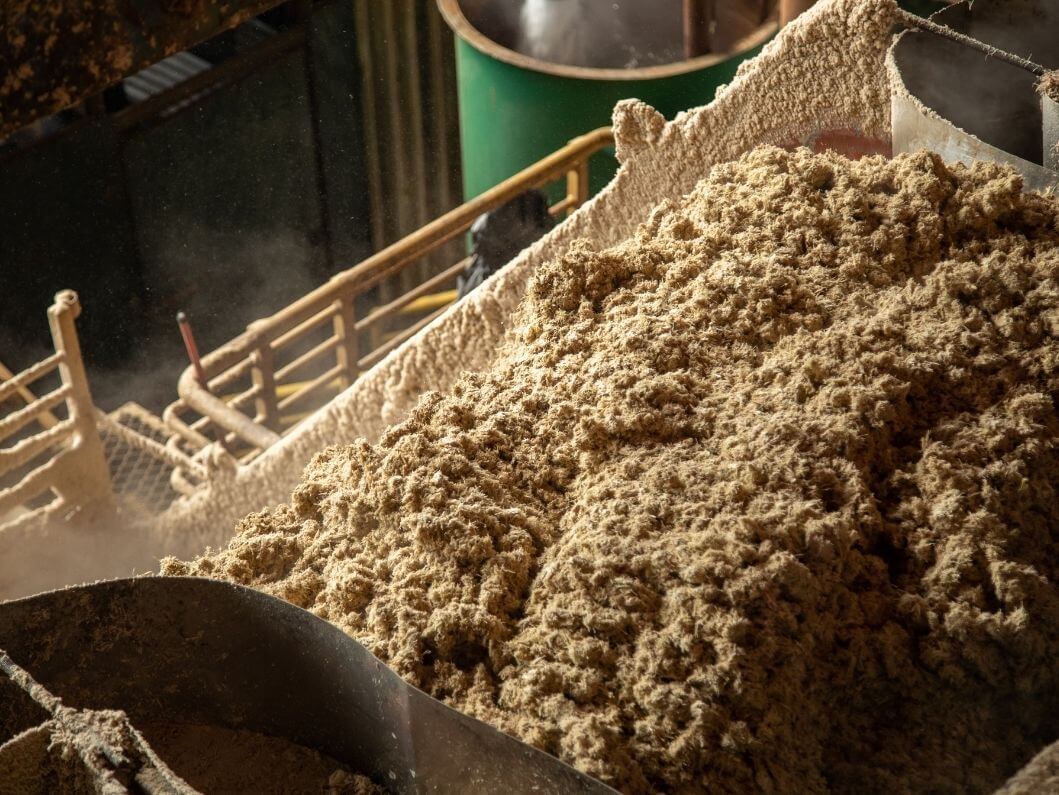
Milling offers numerous advantages in manufacturing:
- Versatility: It can produce a variety of features on a single piece of equipment. From slots and threads to gears and complex three-dimensional surfaces, milling machines can handle a wide range of operations.
- Precision: Milling machines are capable of achieving close tolerances and fine finishes, making them ideal for precision parts in aerospace, automotive, and electronics.
- Customization: The flexibility of milling allows for customization of parts easily, accommodating small batch sizes or one-off projects without significant setup changes.
- Material Range: Milling can be performed on almost any material, including metals, plastics, and composites, which broadens its application across industries.
- Speed and Efficiency: Modern CNC milling machines are designed to optimize cutting efficiency and speed, reducing production times and enhancing throughput.
-
04 Examples of Milling Applications
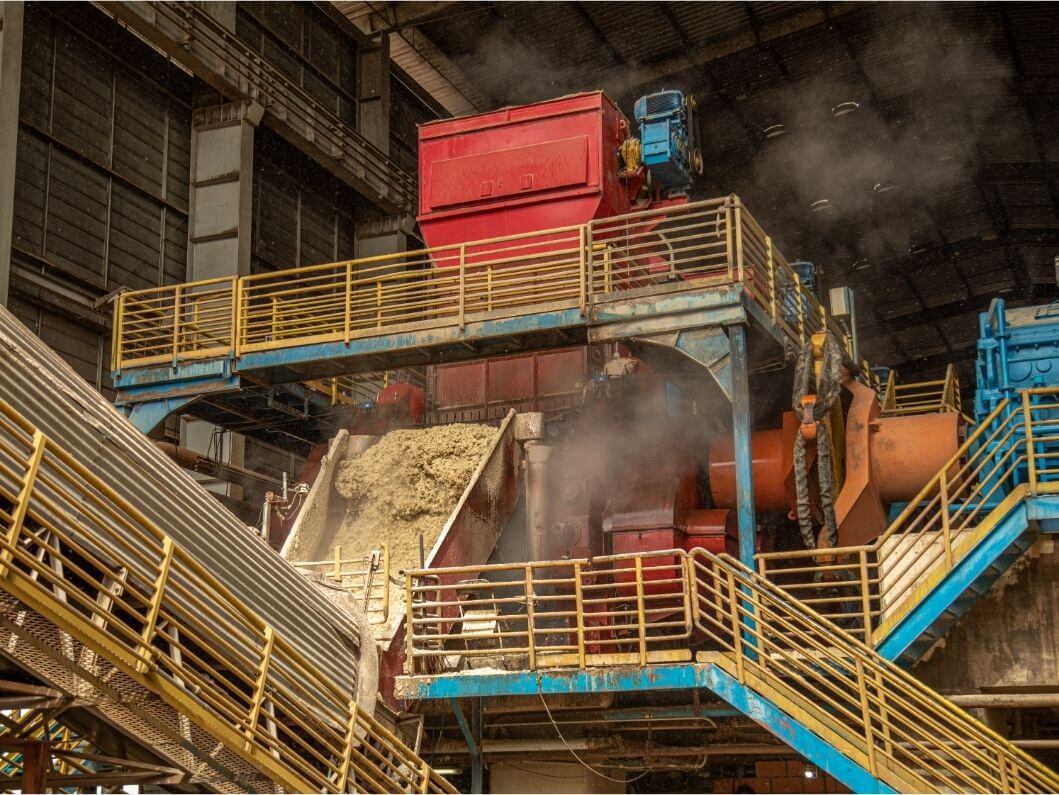
Milling is used across a variety of industries for numerous applications:
- Aerospace: Components such as engine mounts, control mechanisms, and other aircraft parts are frequently produced using advanced milling techniques to meet strict tolerances and material specifications.
- Automotive: Milling is used to create complex components like engine blocks, gearbox housings, and custom fittings that require high precision.
- Electronics: Small and precise parts used in electronics, such as printed circuit boards (PCBs) and enclosures, are often fabricated using milling to achieve the necessary detail and accuracy.
- Medical: Orthopedic implants, surgical instruments, and other medical devices are milled to achieve the necessary precision and surface finish.
- Tool and Die Making: Milling is critical for crafting molds, dies, and other tooling required for the mass production of parts.


Your Gateway to Seamless Milling Solutions
CoPack Connect can connect brands with contract manufacturers and packagers that offer milling services. We make it easy for businesses to find the right manufacturer for their needs and provide the tools and resources they need to manage their milling projects successfully.


2000+
Manufacturers


