

Molding Solutions that Create Competitive Advantage
Molding is a critical manufacturing process that shapes materials into specific, often complex forms using a rigid frame known as a mold. This technique is crucial across various industries, enabling the mass production of items with precise and uniform specifications. It accommodates a range of materials, including plastics, metals, ceramics, and glass, each tailored to meet the diverse needs of different products and applications.
The process involves casting material into a hollow mold where it adopts a new form, ranging from simple designs like plastic bottles to intricate configurations such as engine components or electronic housings. Molding is not only precise but also offers design flexibility, allowing the creation of functional and aesthetically pleasing products.
-
01 How Molding Works
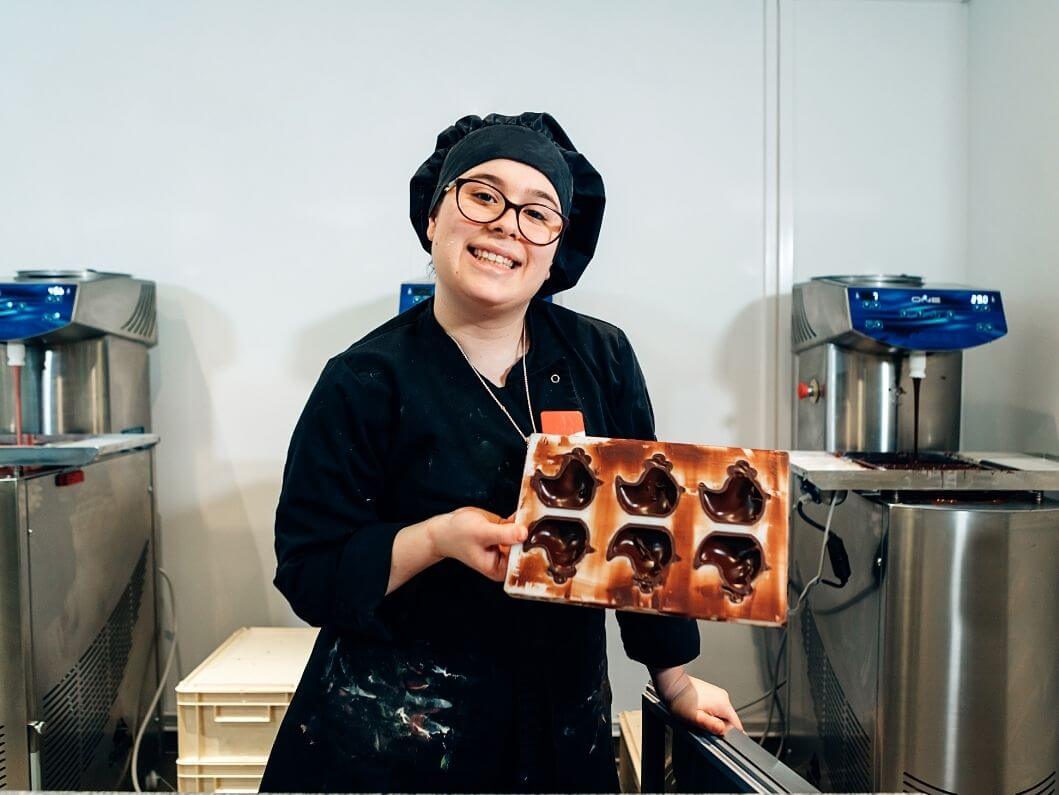
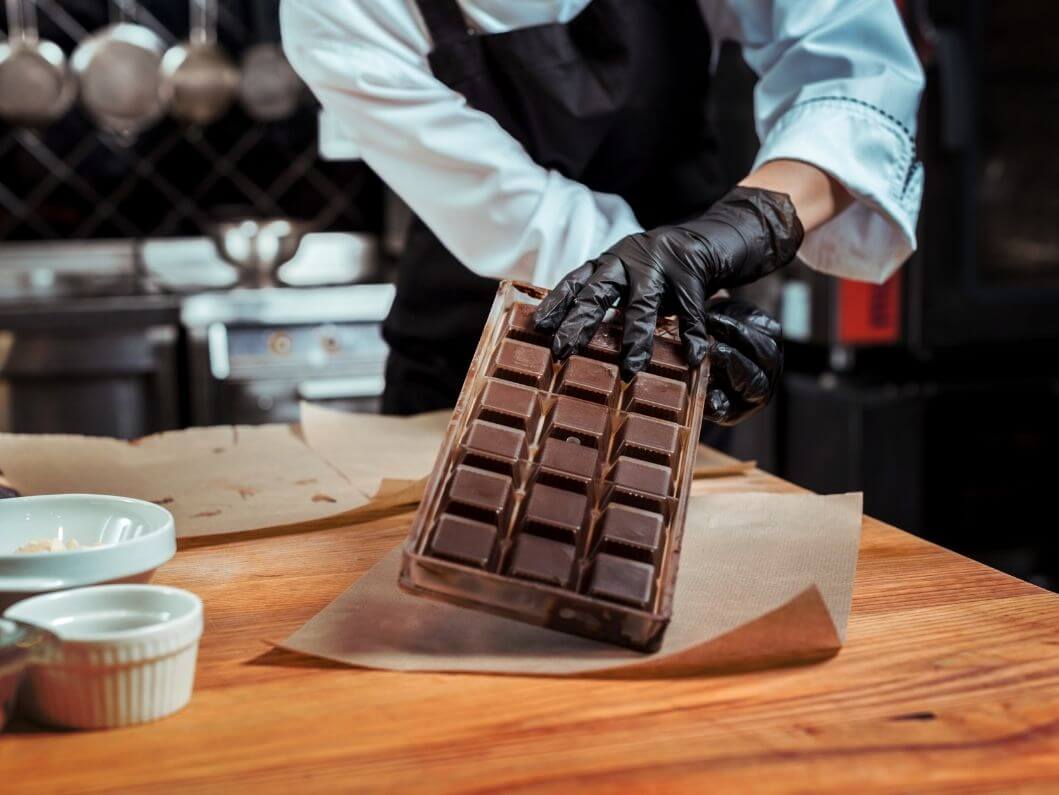
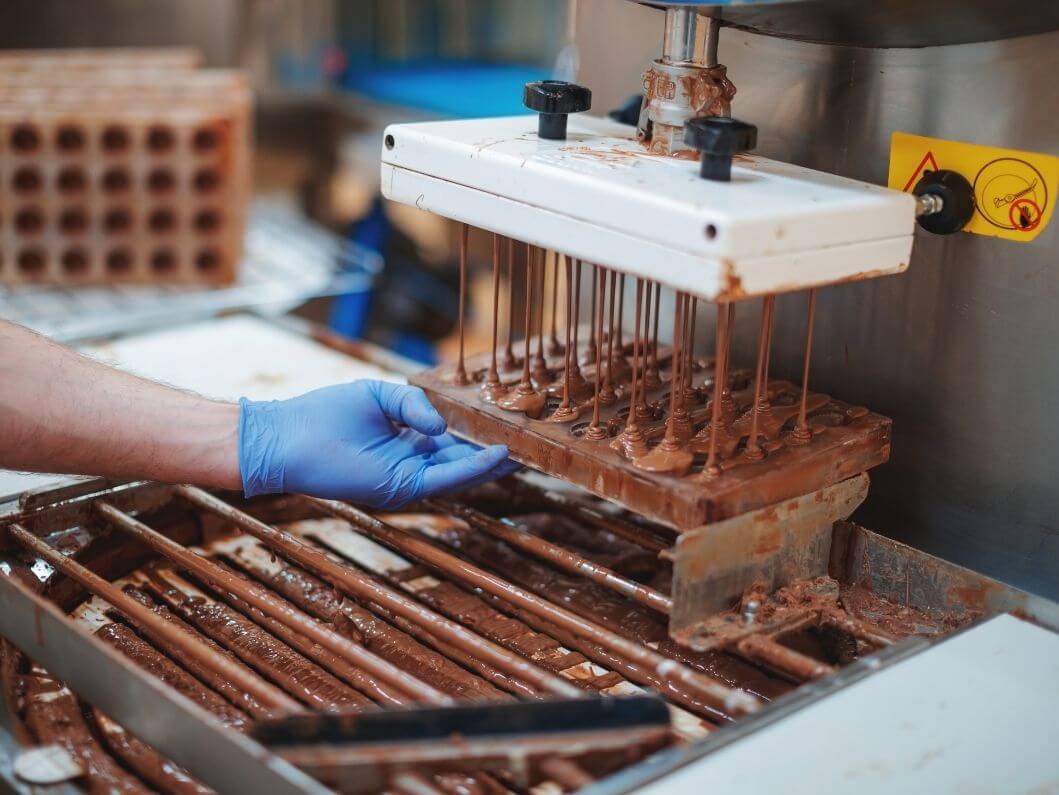
The general principle of molding involves introducing a raw material into a hollow mold where it conforms to the shape of that mold. Depending on the material and the end-product requirements, various molding techniques are employed. Once the material is in the mold, it undergoes a process which may involve heating, cooling, or curing to solidify the material and replicate the mold’s internal geometry. After solidification, the mold is opened and the newly formed part is ejected or removed, completing the cycle.
Each molding method is specifically adapted to the material’s properties and the final product’s requirements. For example, plastics are often molded using high-temperature techniques to form durable items, whereas softer materials might require different approaches. This adaptability ensures the indispensability of molding techniques in producing a broad array of industrial and consumer products, from everyday items to essential automotive and aerospace components.
-
02 Types of Molding Processes
- Batch Retorting: The traditional method where sealed containers are placed in a retort vessel, which is then closed, and the heating and cooling processes occur. Once the cycle is completed, the vessel is opened, and the containers are removed. This method is suitable for smaller production scales.
- Continuous Retorting: More suitable for large-scale production, this method involves moving the containers continuously through different chambers or zones in a tunnel-like retort. Each zone is dedicated to a particular phase of the process, such as heating, holding, and cooling. This type of retorting is more efficient and can handle higher volumes of product.
-
03 Benefits of Retorting
There are several types of molding processes, each suited to different materials and applications:
- Injection Molding: This is the most common method for processing plastics. In injection molding, melted plastic is injected at high pressure into a mold. This process is fast and highly repeatable, which makes it ideal for mass production.
- Blow Molding: Used primarily for making hollow plastic parts such as bottles, blow molding involves inflating heated plastic into a mold cavity. This is somewhat similar to glassblowing.
- Compression Molding: Often used with thermosetting resins, compression molding involves placing the material in a heated mold cavity and then applying pressure to shape the material as it hardens.
- Rotational Molding: Also known as rotomolding, this process is used for producing large hollow parts. The powdered plastic is added to a mold, which is then heated and rotated to distribute the plastic along the walls of the mold.
- Thermoforming: In thermoforming, a plastic sheet is heated until pliable, then formed over a mold by suction from a vacuum. Once cooled, the plastic retains the shape of the mold.
-
04 Benefits of Molding
Molding offers several distinct advantages:
- Efficiency: Molding is capable of producing large quantities of components rapidly and consistently, which is beneficial for mass production.
- Precision and Versatility: Molds can be crafted to achieve precise and complex shapes that might be difficult or impossible to achieve with other manufacturing methods.
- Strength and Integrity: Parts manufactured through molding can achieve superior strength and material integrity since they are shaped as single, cohesive pieces without joints or seams.
- Cost-Effectiveness: Although the initial cost of creating molds can be high, the per-unit cost of production is very low, especially when producing parts in large volumes.
- Material Diversity: Molding processes are compatible with a wide range of materials, including different types of plastics, metals, and ceramics, allowing for flexibility in product design and functionality.
-
05 Examples of Molding Applications
Molding is utilized across a broad spectrum of industries due to its versatility. Some examples include:
- Automotive Components: Many parts of a vehicle, such as dashboards, bumpers, and housing for electrical assemblies, are produced using various molding processes.
- Packaging: Items like bottle caps, containers, and other packaging materials are typically produced using injection or blow molding.
- Medical Devices: Sterile items such as syringe barrels and other intricate medical components are often manufactured through injection molding for precision and cleanliness.
- Construction: Large panels, fixtures, and fittings can be made efficiently through processes like injection and rotational molding.
- Consumer Products: Everything from toys to household goods like plastic utensils and storage containers are frequently made using different molding techniques.
Your Gateway to Seamless Molding Solutions
CoPack Connect can connect brands with contract manufacturers and packagers that offer molding services. We make it easy for businesses to find the right manufacturer for their needs and provide the tools and resources they need to manage their molding projects successfully.

2000+
Manufacturers


