

Contract Packaging
Plastic Bags
Plastic Bags Solutions that Create Competitive Advantage
Plastic bags are versatile packaging solutions widely used across various sectors due to their cost-effectiveness, lightweight properties, and convenience. Here’s an extensive overview of plastic bags, including their types, key features, benefits, applications, and environmental considerations.
-
01 Types of Plastic Bags
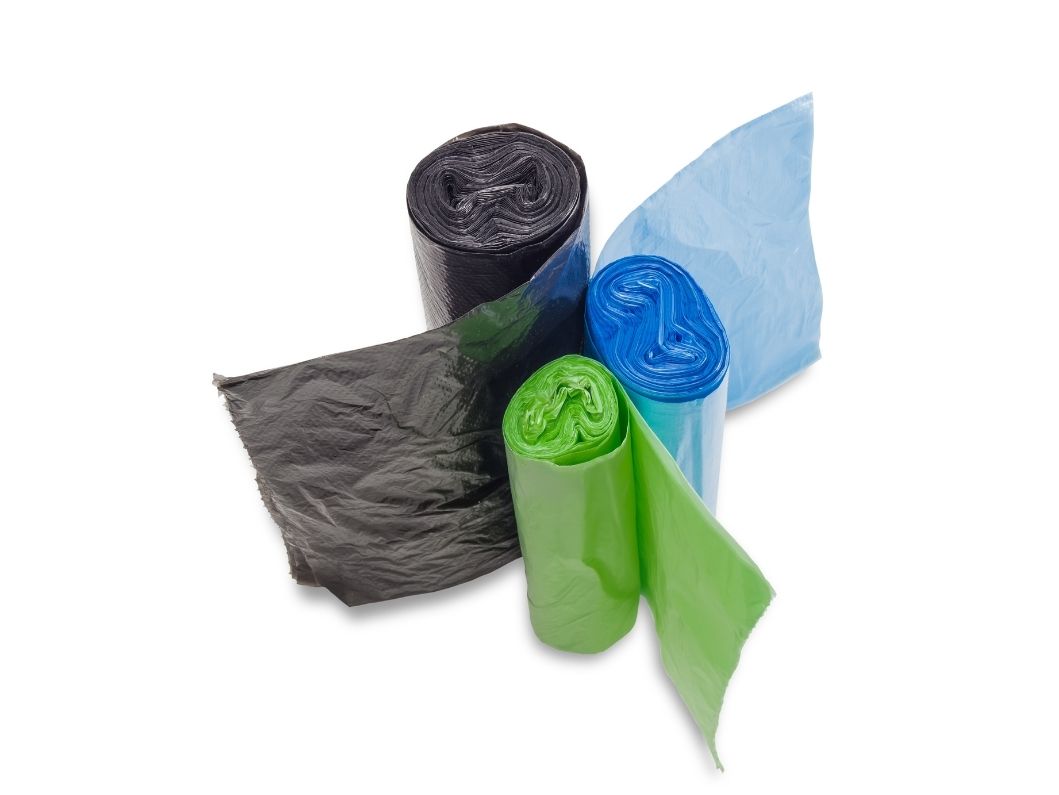
- High-Density Polyethylene (HDPE) Bags: These are stronger and more rigid than other types. Commonly found in grocery stores, they have a high strength-to-density ratio.
- Low-Density Polyethylene (LDPE) Bags: Known for their flexibility and strength, LDPE bags are often used for food packaging and as retail shopping bags.
- Linear Low-Density Polyethylene (LLDPE) Bags: Combining the features of both HDPE and LDPE, LLDPE bags are more puncture-resistant and are used for heavy-duty applications like construction waste or yard waste.
- Polypropylene (PP) Bags: These are used where clarity, freshness, and better tensile strength are required. Commonly used in the packaging of textiles and food items that need to stay fresh.
- Biodegradable Plastic Bags: Made from materials that enable them to break down more quickly under certain conditions, these are an eco-friendlier option to traditional plastics.
- Drawstring Bags: These have a drawstring at the top to easily open and close the bag, commonly used for garbage bags and for storing large items.
- Zipper Bags: Often used for household and food storage as they can be sealed and reopened multiple times.
-
02 Key Features of Plastic Bags
- Durability: Resistance to tearing and stretching makes plastic bags suitable for carrying various types of goods.
- Waterproof: They protect contents from moisture, rain, and other liquid elements.
- Reusability: Many plastic bags are designed to be reusable, providing prolonged utility.
- Customizability: They can be easily printed on, allowing for customization and branding opportunities.
- Lightweight: Their light nature reduces shipping costs and makes them easy to transport and store.
-
03 Benefits of Using Plastic Bags
- Convenience: Easy to produce, distribute, and store, plastic bags offer great convenience to both retailers and consumers.
- Economic Advantage: They are generally cheaper to produce and purchase than alternative packaging materials like paper or fabric.
- Hygiene: Plastic bags provide a sanitary means of carrying goods, important for food products and healthcare items.
- Protection: They safeguard goods from external damage, contaminants, and weather conditions.
-
04 Applications of Plastic Bags
- Retail Sector: Widely used for shopping bags, produce bags at grocery stores, and as packaging in boutiques.
- Food Industry: Used for packaging fresh produce, meats, baked goods, and snacks to maintain freshness and prevent contamination.
- Healthcare: Utilized for safely disposing of medical waste and transporting sterile items.
- Agricultural Use: Employed in covering plants to protect them from pests and frost.
- Home Use: Common as trash bags, storage solutions, and to organize items.

Your Gateway to Plastic Bags Solutions
CoPack Connect can connect brands with contract packagers that offer plastic bag packaging. We make it easy for businesses to find the right manufacturer for their needs and provide the tools and resources they need to manage their plastic bag projects successfully.



2000+
Manufacturers


