

Poaching Solutions that Create Competitive Advantage
Poaching is a gentle cooking method that involves submerging food in a liquid at a relatively low temperature. Typically, the liquid is heated to a temperature range of 160°F to 185°F (70°C to 85°C), which is below boiling point. This method is particularly suitable for delicate foods that might otherwise break apart or become tough when cooked using more intense heat methods.
-
01 Types of Poaching
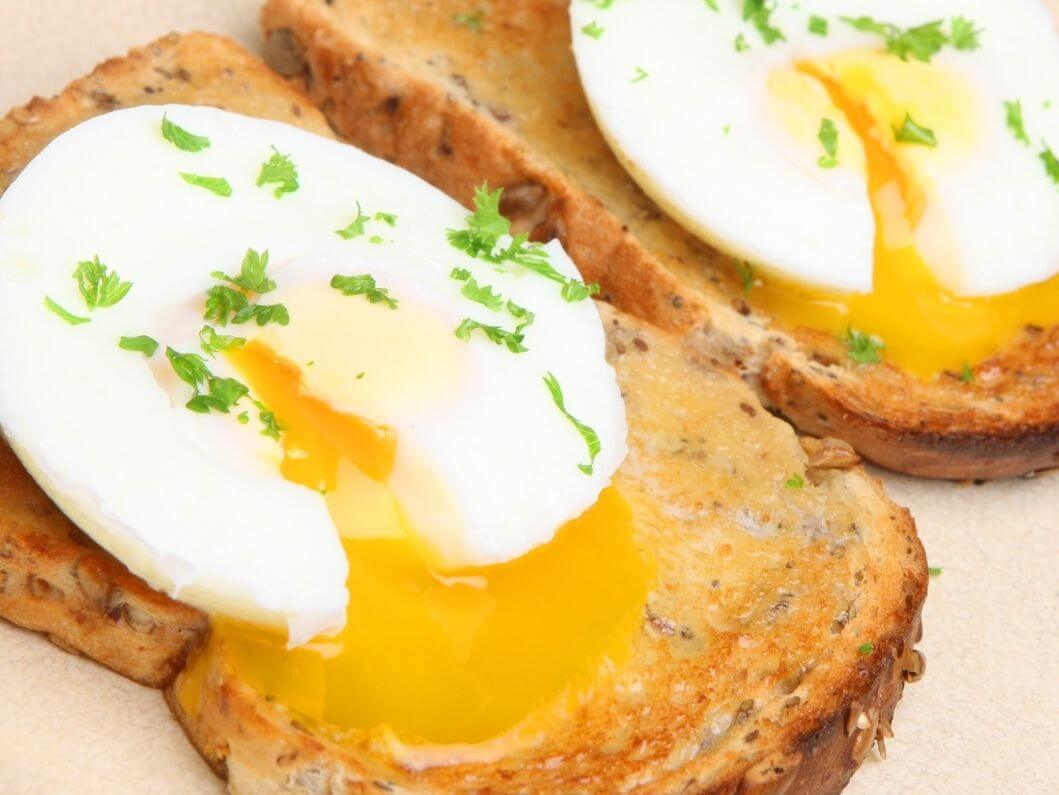
- Shallow Poaching: In this method, the food item is partially submerged in the poaching liquid, which often includes a combination of water, wine, broth, or aromatics. A cover is usually placed on the pan to ensure even cooking.
- Deep Poaching: This involves completely submerging the food item in the poaching liquid. It’s commonly used for larger or whole pieces of food, such as fish or poultry.
- Cold Poaching: Begins with cold liquid and the food together in a pot, slowly brought to the desired temperature. It is often used for fruits or for infusing flavors into the poached items.
-
02 Key Features of Poaching
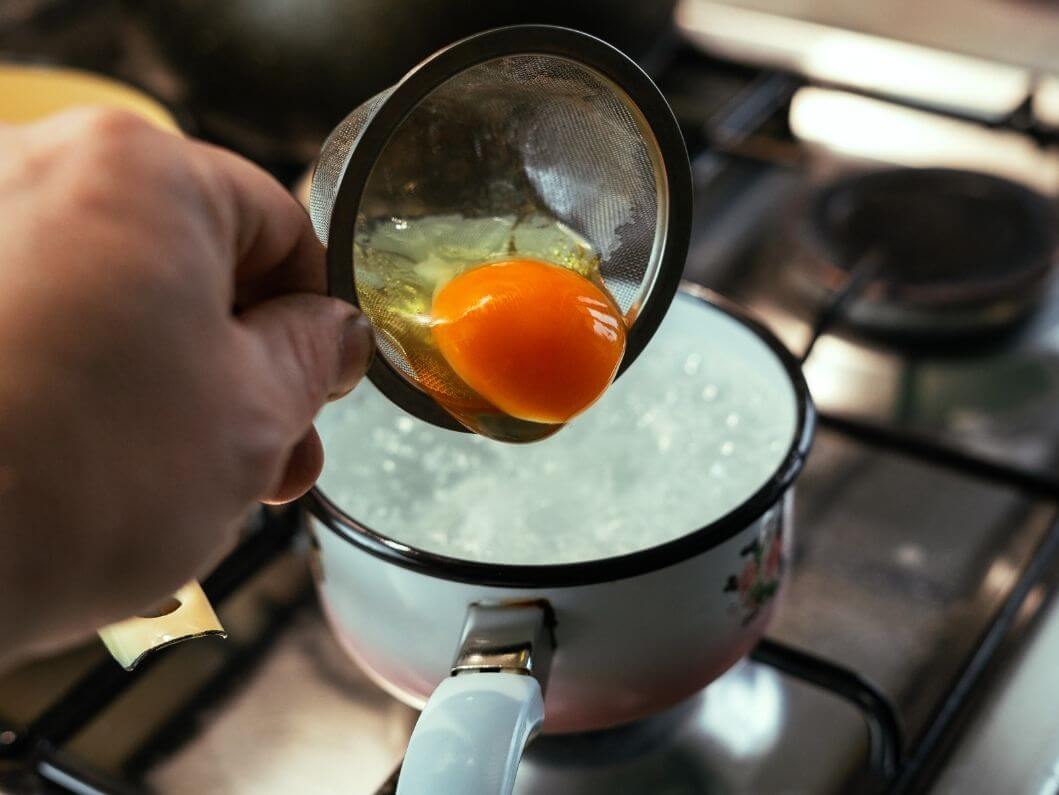
- Gentle Cooking: Poaching is characterized by its gentle cooking process, which preserves the moisture and structure of the food without leaching out too much flavor.
- Flavor Infusion: The poaching liquid can be flavored with herbs, spices, broths, or wine, providing a subtle infusion of flavors into the food.
- Low Fat: Since it doesn’t require fats or oils for cooking, poaching is considered a healthier cooking method.
-
03 Benefits of Using Poaching
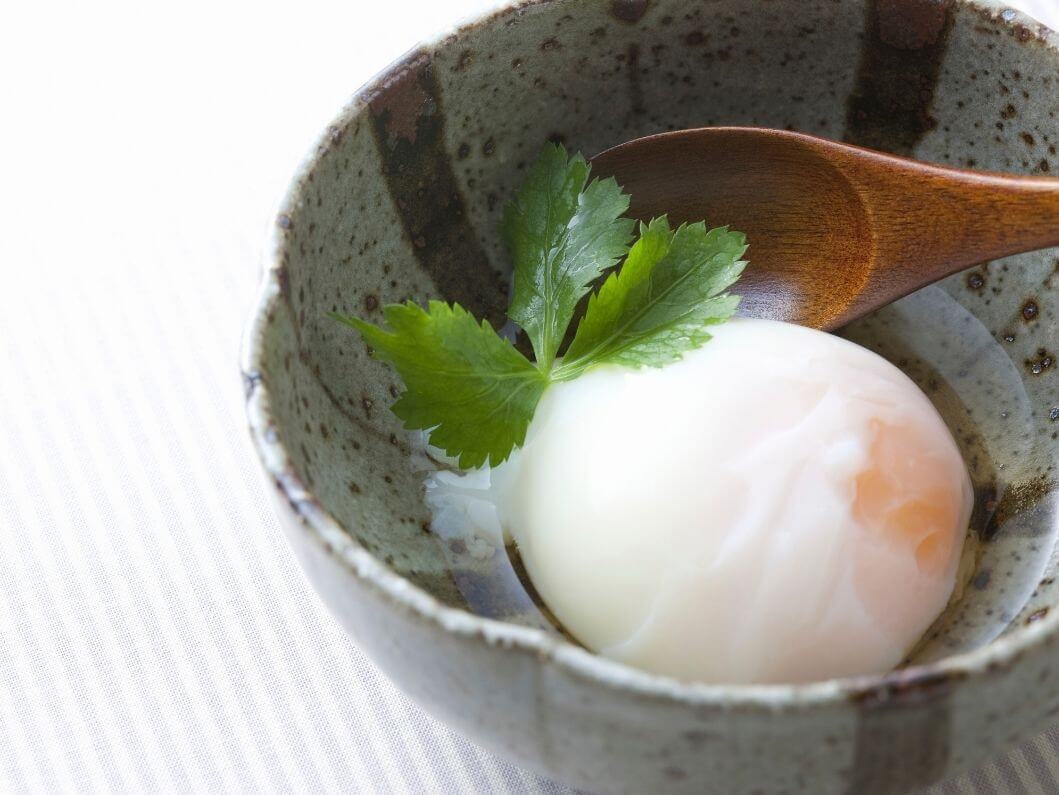
- Healthier Meals: Poaching is low in fat and calories, as it does not require oil or butter, making it an excellent choice for diet-conscious meals.
- Retains Nutrients: The gentle cooking process helps retain the nutritional value of the food, such as delicate fish oils or vitamins in fruits and vegetables.
- Texture Preservation: It ensures that food remains tender and moist, which is ideal for easily overcooked proteins like fish and eggs.
- Versatility: While commonly associated with eggs and fish, poaching can be applied to poultry, fruits, and even some vegetables, making it a versatile cooking technique.
-
04 Applications of Poaching
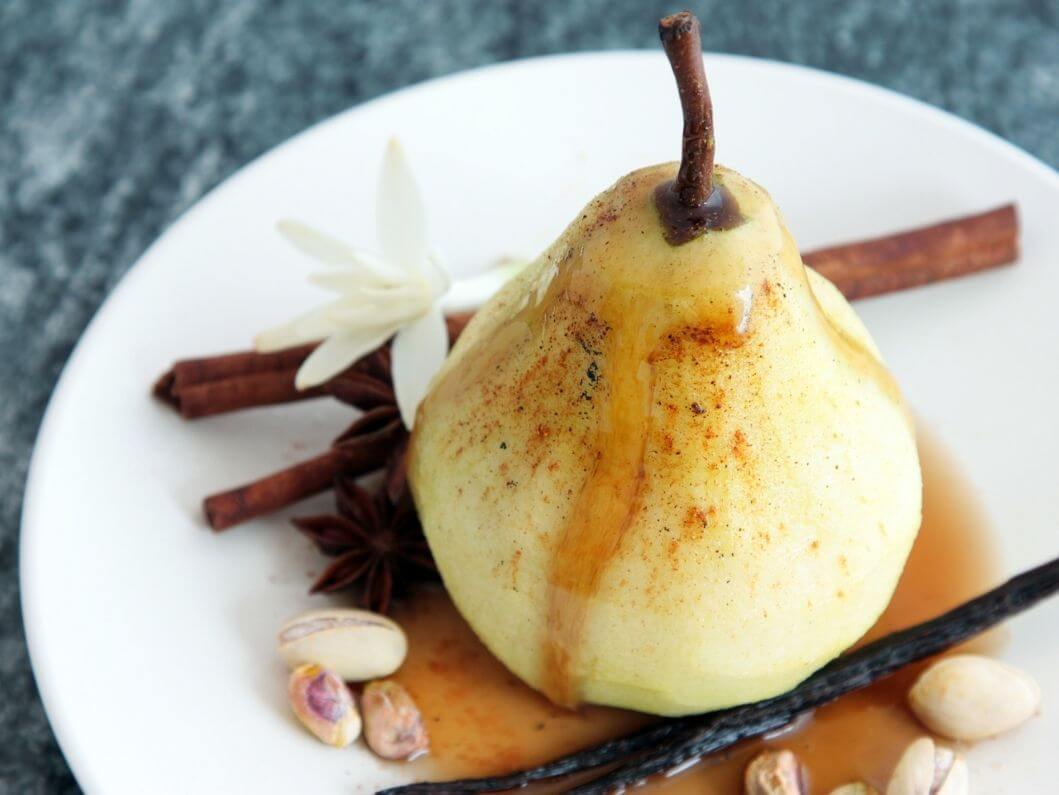
- Culinary Uses: Common in both professional kitchens and home cooking, poaching is ideal for preparing dishes like poached salmon, eggs Benedict, and poached pears.
- Commercial Applications: In the food industry, poaching is used in the preparation of ready-to-eat meals and for pre-cooking ingredients to be used in more complex dishes.
- Dietary Menus: Particularly valuable in healthcare or fitness-related food services where nutritional content and calorie count are crucial.


Your Bridge to Finding Efficient Poaching Services
CoPack Connect can connect brands with contract packagers that offer poaching. We make it easy for businesses to find the right manufacturer for their needs and provide the tools and resources they need to manage their poaching projects successfully.



2000+
Manufacturers


