

Polycarbonate Bottles Solutions that Create Competitive Advantage
Polycarbonate bottles are a popular choice in various industries due to their exceptional durability, transparency, and versatility. These bottles are made from polycarbonate, a strong, impact-resistant material that combines the lightweight benefits of plastic with the robustness of glass. Available in multiple shapes and sizes, polycarbonate bottles cater to a wide range of packaging needs, from consumer goods to industrial applications.
-
01 Types of Polycarbonate Bottles
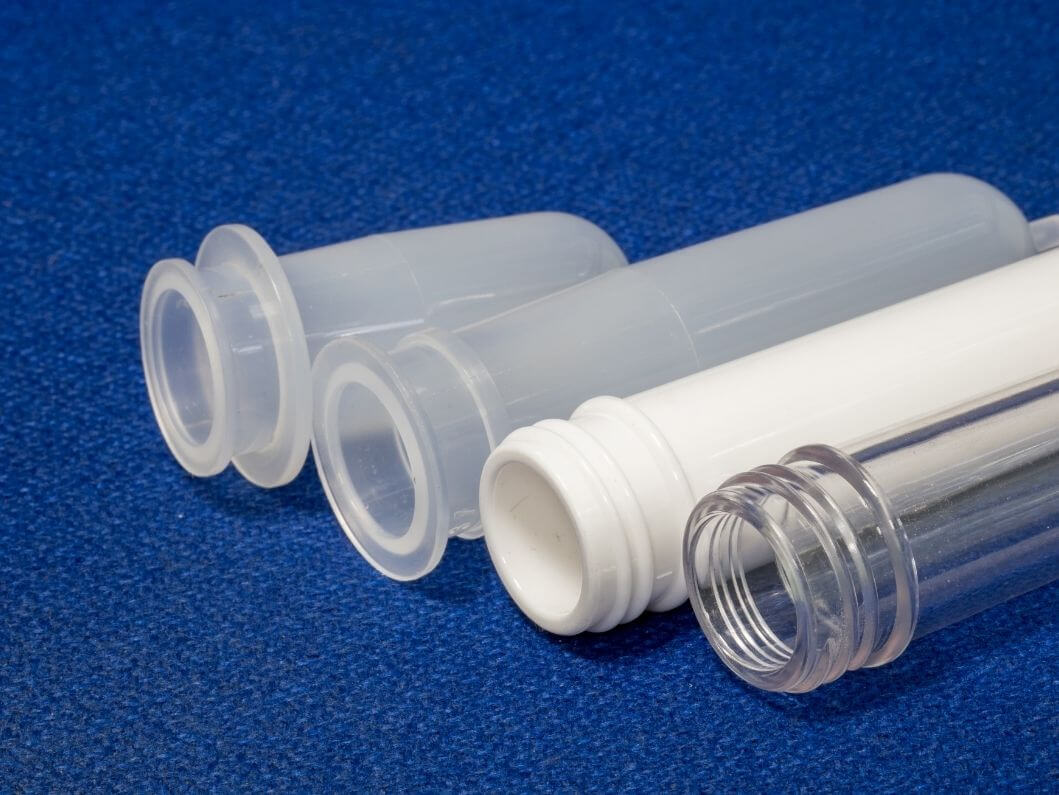
- Standard Polycarbonate Bottles: These are typically used for everyday items such as water, juices, and other beverages. Their crystal-clear appearance provides excellent visibility of the product inside, enhancing consumer appeal.
- Wide-Mouth Bottles: Designed with a larger opening, these bottles are ideal for storing powders, pills, or other items that require easy access. The wide mouth facilitates effortless filling, pouring, and cleaning.
- Graduated Bottles: Featuring measurement markings, these bottles are perfect for laboratory settings, health and wellness products, and DIY applications where precise quantities are necessary.
- High-Temperature Resistant Bottles: These bottles are specifically designed to withstand high temperatures without warping or degrading, making them suitable for hot-fill processes and microwave use.
- UV-Resistant Bottles: Incorporating UV inhibitors, these bottles protect light-sensitive contents such as vitamins and essential oils from degradation, ensuring product integrity over time.
Each type of polycarbonate bottle can be customized in terms of color, size, shape, and closure type, making them adaptable to a wide range of industry requirements.
-
02 Features of Polycarbonate Bottles
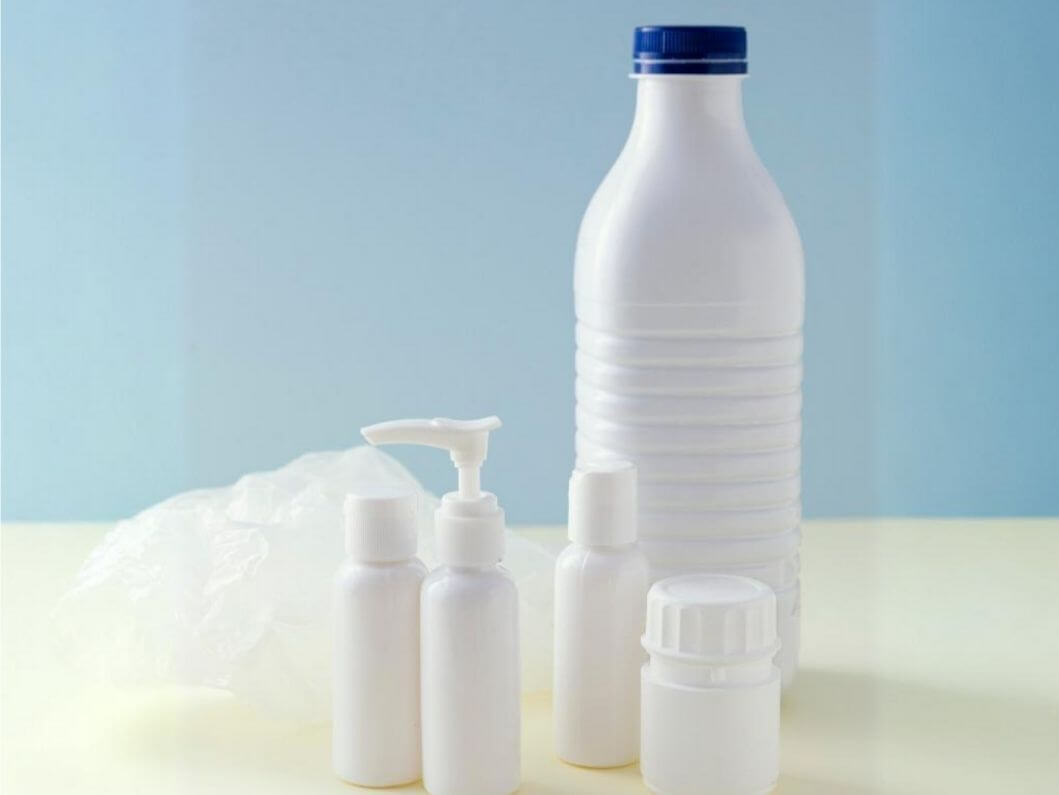
- Durability: Polycarbonate is known for its toughness and resistance to impact, making these bottles less prone to breakage compared to glass or other types of plastic. This feature is particularly valuable in environments where drops or rough handling are common.
- Clarity: The material’s glass-like clarity allows consumers to easily see the product inside, which is ideal for products where visual appeal and transparency are essential.
- Lightweight: Despite their strength, polycarbonate bottles are lightweight, making them easy to handle, transport, and store, reducing shipping costs and enhancing user convenience.
- Chemical Resistance: Polycarbonate bottles offer resistance to a variety of chemicals, including acids and alcohols, making them suitable for a wide range of products, from beverages to industrial chemicals.
- Temperature Tolerance: These bottles can withstand both high and low temperatures without cracking or deforming, making them suitable for both hot-filled products and refrigerated or frozen goods.
- Customizability: Polycarbonate bottles can be easily molded into various shapes and sizes and can be colored, labeled, or branded to meet specific customer requirements. They are also compatible with a range of closures, including screw caps, flip-tops, and spray nozzles.
-
03 Benefits of Polycarbonate Bottles
- Extended Product Shelf Life: The durability and UV resistance of polycarbonate bottles help protect products from physical damage and light exposure, extending their shelf life and maintaining quality.
- Consumer Convenience: The lightweight nature and durability of these bottles make them easy for consumers to carry and use, enhancing their overall experience with the product.
- Versatility: Suitable for a wide range of products, polycarbonate bottles are used in the beverage, health and wellness, personal care, industrial, and laboratory sectors, among others.
- Safety: Unlike glass, polycarbonate bottles do not shatter, reducing the risk of injury from broken packaging. This is particularly important in settings where safety is a priority, such as laboratories, healthcare facilities, and homes.
- Environmentally Friendly: Polycarbonate bottles are reusable and recyclable, offering a sustainable alternative to single-use plastics. Their durability ensures they have a long service life, reducing the need for frequent replacements.
-
04 Applications of Polycarbonate Bottles
- Beverage Industry: Commonly used for water bottles, sports drinks, and juices due to their transparency, lightweight nature, and durability.
- Healthcare and Pharmaceuticals: Used for packaging a variety of health supplements, medications, and sterile water due to their chemical resistance and ability to maintain product integrity.
- Personal Care: Ideal for shampoos, conditioners, lotions, and other liquid personal care products that benefit from the clarity and durability of polycarbonate packaging.
- Industrial Uses: Suitable for storing and transporting chemicals, solvents, and other industrial liquids, as they can withstand exposure to various harsh substances without degradation.
- Laboratory Applications: Often used in laboratories for sample storage, chemical mixing, and transportation due to their chemical resistance and easy-to-read graduated markings.
-
05 Environmental Impact and Sustainability of Polycarbonate Bottles
Polycarbonate bottles contribute to sustainability through their long lifespan and recyclability. Unlike single-use plastics, polycarbonate bottles can be reused many times before recycling, reducing overall waste. Advances in recycling technology have improved the efficiency of polycarbonate recycling, ensuring that these bottles can be effectively repurposed into new products. Additionally, because polycarbonate is lightweight yet strong, transporting these bottles requires less fuel, reducing carbon emissions during distribution.


Your Gateway to Polycarbonate Bottle Solutions
CoPack Connect can connect brands with contract packagers that offer polycarbonate bottle packaging services. We make it easy for businesses to find the right manufacturer for their needs and provide the tools and resources they need to manage their polycarbonate bottle packaging projects successfully.



2000+
Manufacturers


