

Roasting Solutions that Create Competitive Advantage
Roasting is a culinary and food processing technique that exposes food to high heat, fundamentally altering its chemical composition, flavor, texture, and appearance. This method is essential for preparing meats and vegetables, enhancing their natural flavors and creating a pleasing texture by inducing the Maillard reaction, which gives food a rich, brown crust. Beyond everyday cooking, roasting is critical in the production of coffee and nuts, where precise temperature control develops distinct flavor profiles and desirable textures.
As a culinary technique, roasting is invaluable not just for the flavor it imparts but also for its role in food preservation and preparation across different food sectors. It remains a fundamental method for enhancing the natural qualities of a wide range of foods, underscoring its importance in both home kitchens and commercial food industries.
-
01 How Roasting Works

Roasting works by using dry heat to cook the food item, either in an oven or over an open flame. The temperatures used in roasting are typically higher than those used for baking, generally starting around 300°F (150°C) and often exceeding 500°F (260°C). The high heat creates a Maillard reaction on the surface of the food, which imparts a brown color and a distinctive rich, savory flavor. This reaction occurs when the amino acids and reducing sugars in the food are transformed into complex molecules.
For coffee and nuts, roasting is crucial not just for flavor development but also for achieving the right texture. For instance, roasting coffee beans at various temperatures and durations can bring out different flavors, ranging from light floral notes to deep, dark chocolate or smoky tones.
-
02 Benefits of Roasting
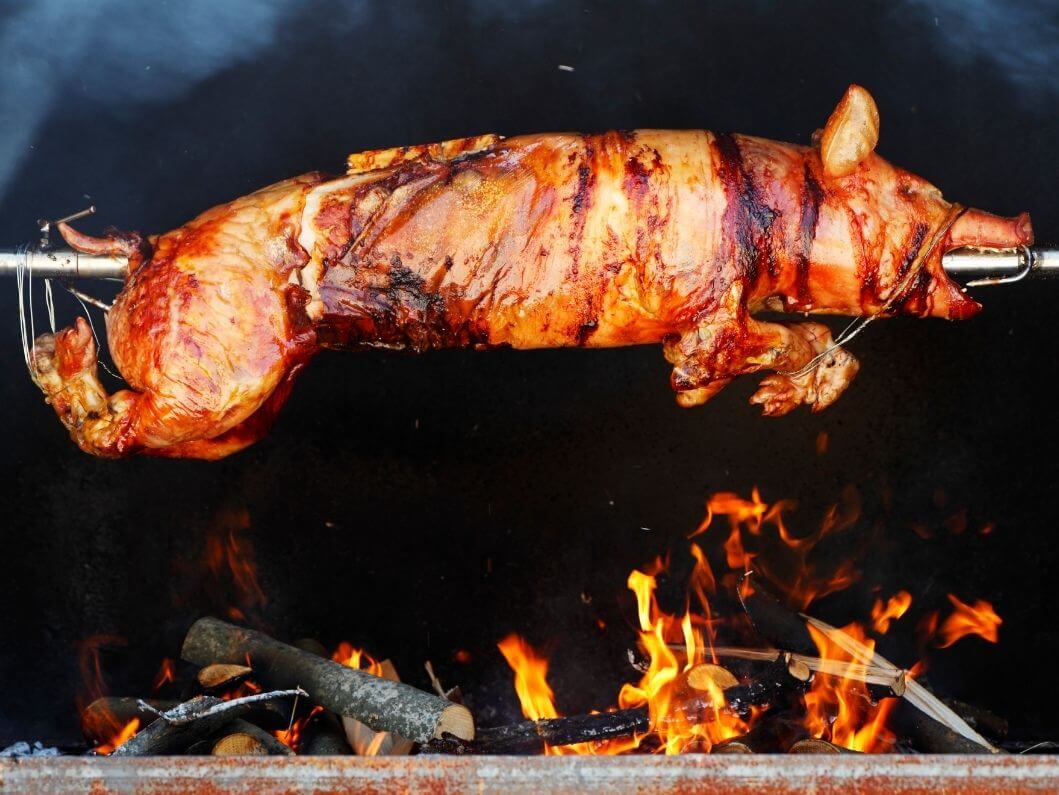
- Flavor Enhancement: Roasting enhances the natural flavor of food and creates new flavor compounds through the Maillard reaction and caramelization. This makes the food more appealing and tasty.
- Texture Improvement: It helps to create a crispy, crunchy exterior while retaining moisture in the interior, making the food more enjoyable to eat.
- Digestibility: Cooking food through roasting can make it easier to digest by breaking down complex proteins, fibers, and starches.
- Preservation: Roasting can extend the shelf life of certain foods. For coffee and nuts, roasting reduces moisture content, which inhibits the growth of microbes that cause spoilage.
- Aesthetic Appeal: Roasted foods often have an appealing golden-brown color and an enticing aroma, which can enhance the dining experience.
-
03 Examples of Roasting Applications

- Culinary Uses:
- Meat: Roasting is a traditional method for preparing meat, especially larger cuts like roasts, whole chickens, or turkeys. The high heat allows the fat to render and the meat to brown, developing complex flavors and textures.
- Vegetables: Vegetables such as potatoes, carrots, and Brussels sprouts are often roasted to enhance their sweetness and texture.
- Coffee Production:
- Coffee beans are roasted at various levels to achieve different flavor profiles, from light to dark roasts. Each level impacts the acidity, body, and aroma of the brewed coffee.
- Nut Processing:
- Nuts like almonds, pecans, and cashews are commonly roasted to improve their crunchiness and flavor. This process often involves adding salt or other seasonings.
- Cocoa Beans:
- Similar to coffee, cocoa beans are roasted to develop the flavor profiles necessary for chocolate production. The roasting process helps in expressing the deep, rich chocolate flavors.
- Snack Manufacturing:
- Snacks such as popcorn and roasted chickpeas involve roasting to achieve a crispy texture and to blend with flavors added during the roasting process.
- Culinary Uses:
Your Gateway to Seamless Roasting Solutions
CoPack Connect can connect brands with contract manufacturers and packagers that offer roasting services. We make it easy for businesses to find the right manufacturer for their needs and provide the tools and resources they need to manage their roasting projects successfully.

2000+
Manufacturers


