

Single-Use Bottles Solutions that Create Competitive Advantage
Single-use bottles are a popular packaging choice for a wide range of products, designed to be used once and then discarded or recycled. They are most commonly associated with beverages but are also used for various other applications, such as personal care, household products, and pharmaceuticals. The design and material of single-use bottles are tailored to meet specific needs, offering options like plastic, glass, or aluminum. Each type serves a unique purpose, balancing factors like cost, durability, and environmental impact.
-
01 Types of Single-Use Bottles
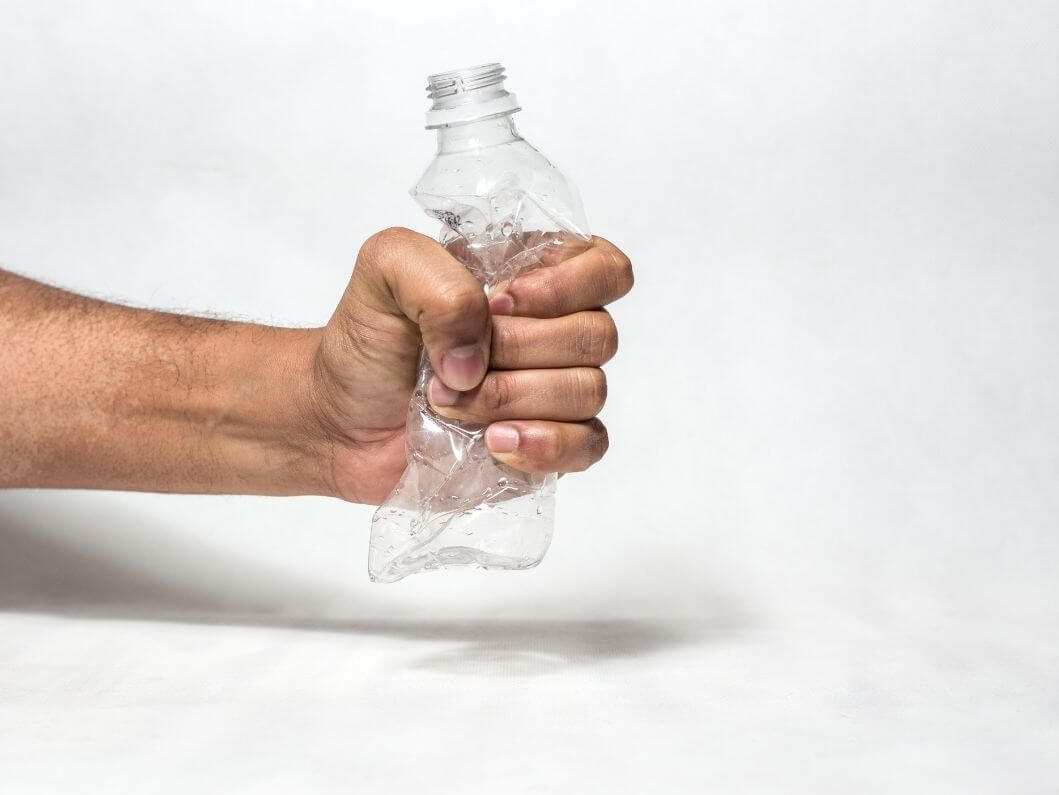
- Plastic Bottles: The most common type, made from PET (polyethylene terephthalate) or HDPE (high-density polyethylene). These bottles are lightweight, shatterproof, and cost-effective, making them ideal for water, soft drinks, juices, and personal care products like shampoos and conditioners. Plastic bottles are easy to mold into various shapes and sizes, offering flexibility in design and branding.
- Glass Bottles: Known for their premium feel and excellent barrier properties, glass bottles are often used for high-end beverages like juices, wines, and spirits, as well as some pharmaceutical products. Glass is non-reactive, preserving the flavor and integrity of the product inside. Though heavier and more fragile than plastic, glass bottles can be recycled indefinitely, making them a sustainable choice for some applications.
- Aluminum Bottles: Increasingly popular for their lightweight and recyclable nature, aluminum bottles are used for beverages, aerosol products, and even personal care items like deodorants. Aluminum provides excellent barrier properties against light, oxygen, and moisture, making it a versatile option for products that need to maintain their freshness and quality over time.
- Paper-Based Bottles: A newer, more sustainable option, these bottles are made from paperboard with a thin plastic lining. They are primarily used for beverages and liquid foods, offering a lower environmental footprint due to the reduced use of plastic and increased recyclability.
-
02 Key Features of Single-Use Bottles
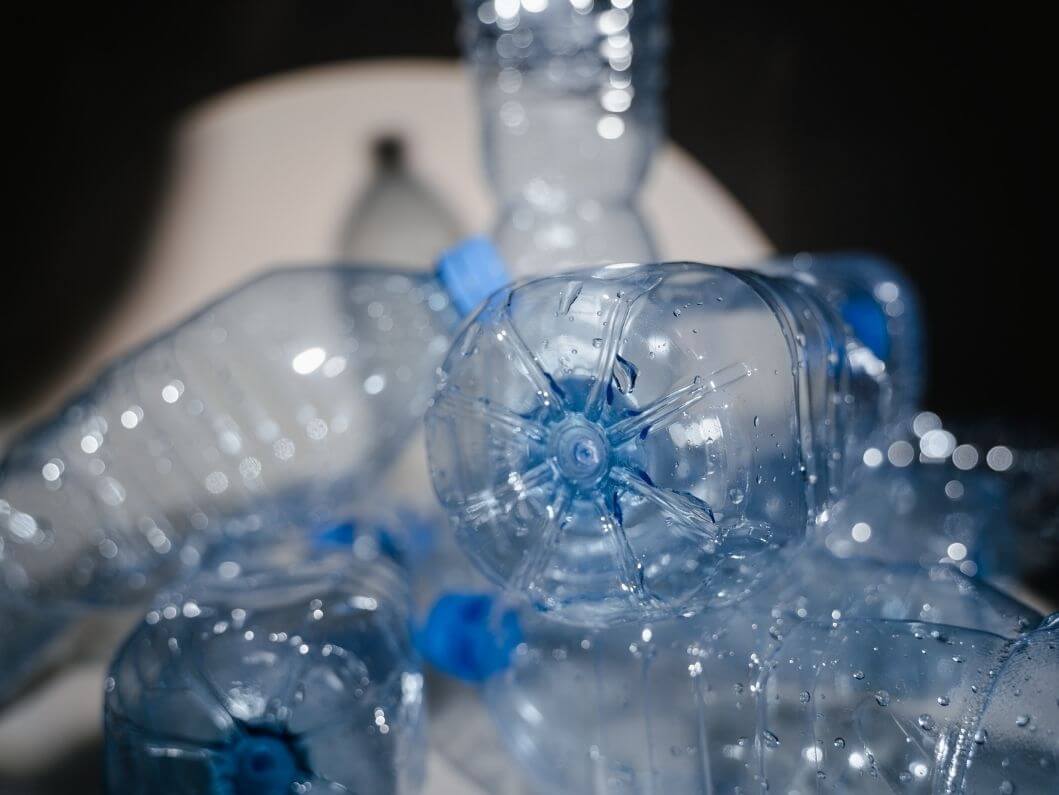
- Material Versatility: Available in plastic, glass, aluminum, and even paper-based materials, each offering unique benefits for different products and consumer preferences.
- Barrier Properties: Designed to protect contents from external elements such as light, oxygen, and moisture, which is crucial for maintaining the product’s freshness, potency, and safety.
- Customizability: Bottles can be tailored in size, shape, and design, providing ample opportunity for branding and differentiation in the marketplace.
- Convenience: Single-use bottles are designed for ease of use, portability, and disposal, making them ideal for on-the-go consumption and single-serving products.
-
03 Benefits of Single-Use Bottles
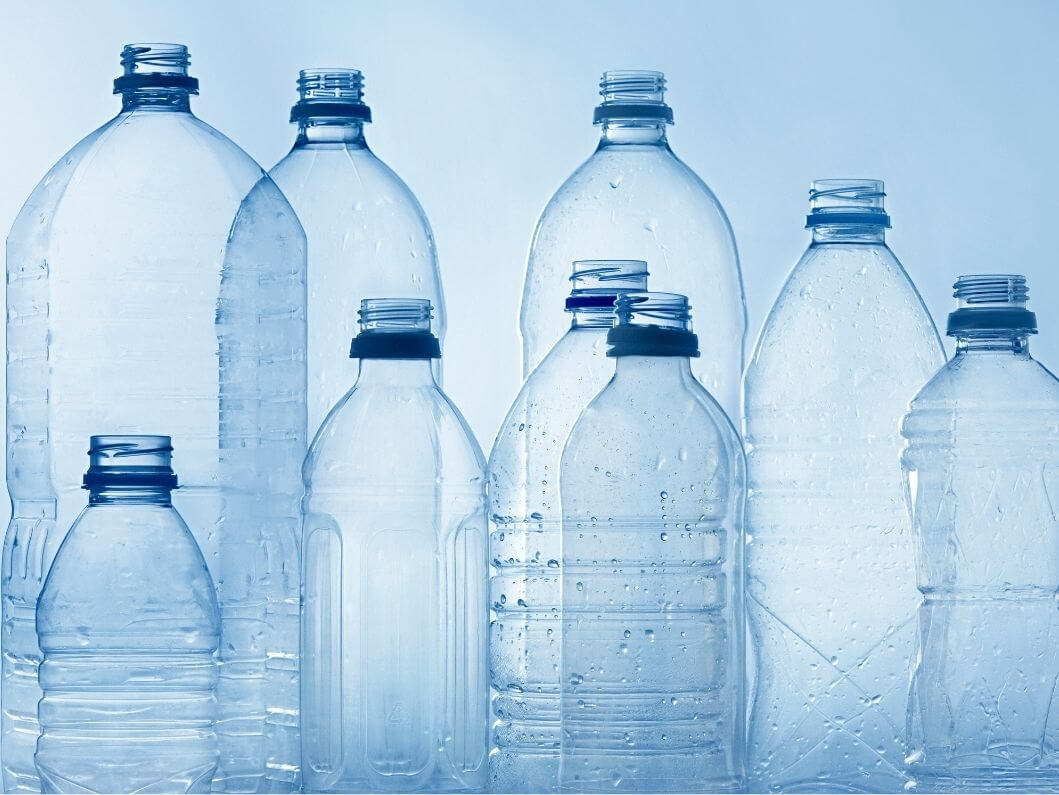
- Cost-Effective: Typically less expensive to produce than reusable bottles, thanks to the use of lightweight and widely available materials.
- Consumer Convenience: Offers a practical solution for consumers who prioritize convenience and portability, particularly in busy lifestyles or while traveling.
- Hygiene and Safety: Being single-use ensures that the bottle is clean and free from contamination each time it is used, which is particularly important for sensitive applications like pharmaceuticals and food products.
- Versatile Applications: Suitable for a broad range of products across multiple industries, including beverages, personal care, pharmaceuticals, and household cleaning products.
- Recyclability: Many single-use bottles are designed with recycling in mind, particularly those made from PET plastic, glass, and aluminum. This helps reduce waste and supports environmental sustainability efforts.
-
04 Uses of Single-Use Bottles
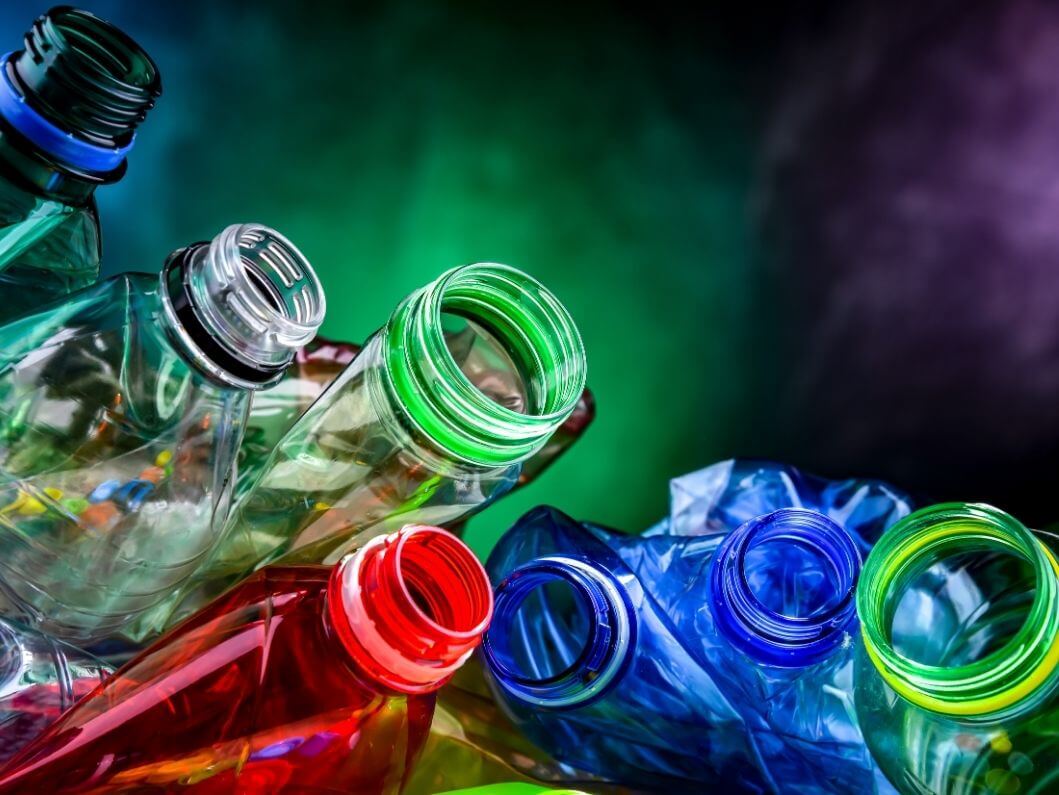
- Beverage Industry: Dominates the use of single-use bottles, packaging products like water, soft drinks, juices, energy drinks, and alcoholic beverages. The choice of material often depends on the product’s need for preservation and market positioning.
- Personal Care and Cosmetics: Used for a variety of liquid products such as shampoos, conditioners, body washes, and lotions. Single-use bottles are preferred for travel-sized or sample products.
- Pharmaceuticals: Employed for single-dose medications, syrups, and liquid supplements, ensuring sterility and precise dosing.
- Household and Industrial Products: Commonly used for cleaners, detergents, and other liquid products, where ease of use and disposability are key considerations.
-
05 Environmental Impact and Sustainability of Single-Use Bottles
The sustainability of single-use bottles is a topic of growing importance. While their convenience and cost-effectiveness make them a popular choice, there is increasing pressure to minimize their environmental footprint. Efforts are being made across the industry to improve recycling rates and develop more sustainable materials. For instance, advancements in biodegradable plastics, increased use of recycled content in bottle production, and innovations like paper-based bottles are helping to reduce the reliance on traditional plastic. Glass and aluminum bottles, which are highly recyclable, are also being promoted for their lower impact on the environment. Furthermore, consumers and companies are becoming more aware of the need to reduce waste and are actively seeking packaging solutions that align with these values.


Your Gateway to Single-Use Bottles Solutions
CoPack Connect can connect brands with contract packagers that offer single-use bottles packaging services. We make it easy for businesses to find the right manufacturer for their needs and provide the tools and resources they need to manage their polycarbonate bottle packaging projects successfully.



2000+
Manufacturers


