

Small Format Bottles Solutions that Create Competitive Advantage
Small format bottles, often referred to as mini bottles or sample-sized bottles, are compact packaging solutions designed to hold a variety of liquid or semi-liquid products. These bottles are particularly popular in industries such as personal care, food and beverage, pharmaceuticals, and home care due to their practicality and adaptability. Available in different shapes, sizes, and materials, small format bottles cater to a broad range of packaging needs. Whether it’s a trial-sized shampoo, a single-serving juice, or a dose of medicine, these bottles provide a convenient and user-friendly option.
-
01 Types of Small Format Bottles
- Squeeze Bottles: Made from flexible plastics, squeeze bottles are ideal for products that need controlled dispensing, such as sauces, condiments, gels, or lotions. Their ergonomic design allows for easy handling and portion control.
- Dropper Bottles: Equipped with a dropper or pipette, these bottles are perfect for precise application. Commonly used for essential oils, eye drops, or liquid medicines, dropper bottles offer both safety and accuracy in dispensing.
- Spray Bottles: Featuring a spray nozzle, these bottles are well-suited for products that need to be dispensed in a fine mist, such as perfumes, disinfectants, or hair care products. The spray mechanism ensures even application, enhancing the user experience.
- Roll-on Bottles: With a roller ball applicator, these bottles are ideal for products like deodorants, essential oils, and roll-on medications. The design ensures targeted application and reduces product wastage.
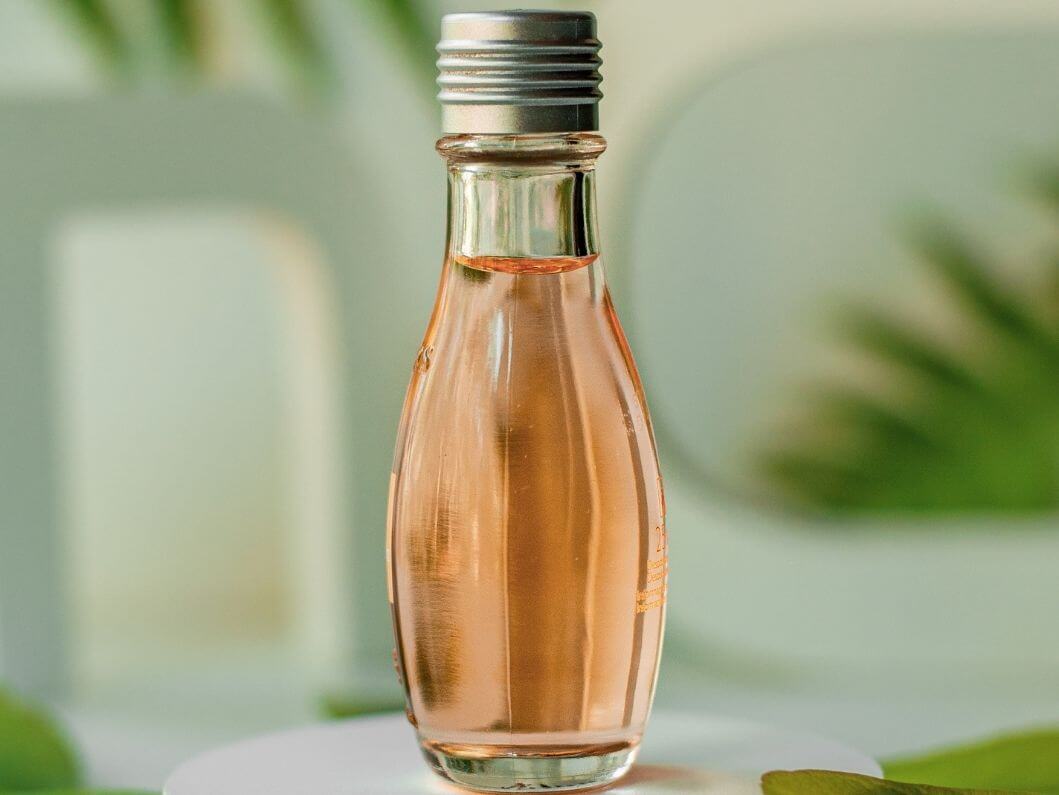
- Glass Vials: Small glass bottles or vials are often used for high-value products such as perfumes, serums, and specialty oils. They provide an upscale appearance and are generally impermeable to air and moisture, preserving product integrity.
-
02 Features of Small Format Bottles
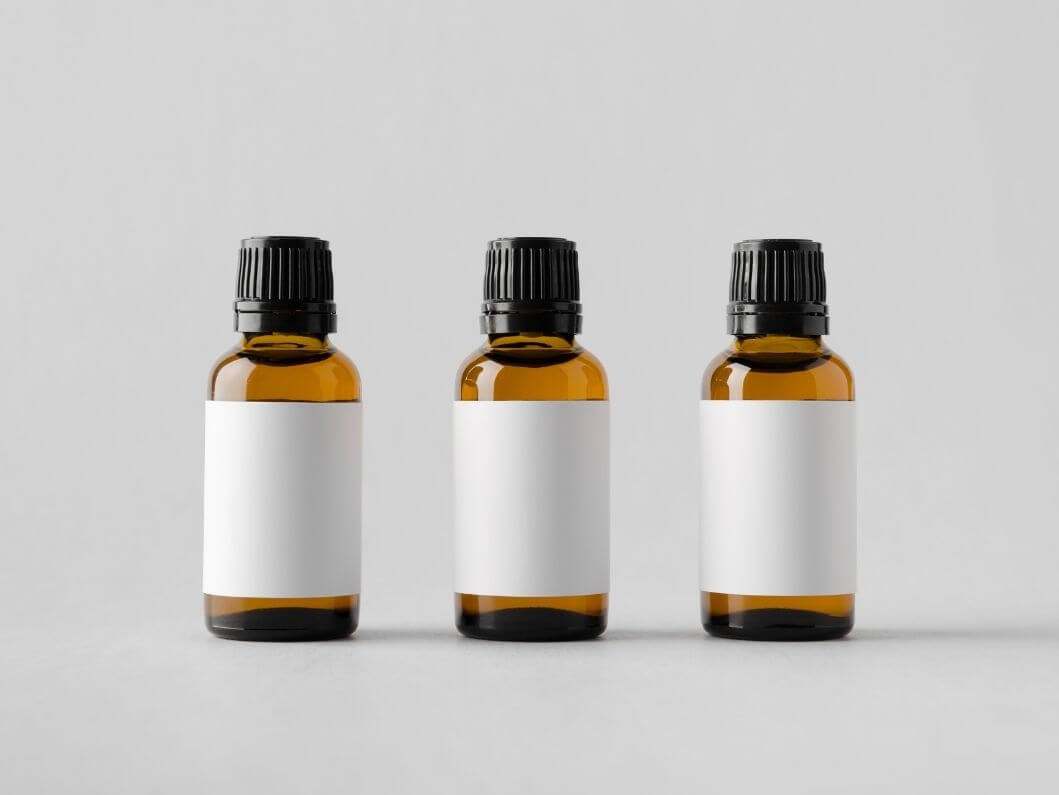
- Material Variety: These bottles can be made from a range of materials including PET, HDPE, glass, and PP, each offering different levels of durability, transparency, and barrier protection against external elements.
- Size Flexibility: Available in a wide array of sizes, from as small as 5 ml to around 100 ml, allowing for customization based on product needs and regulatory requirements.
- Closure Options: A variety of closures are available, including screw caps, flip tops, spray pumps, and droppers, providing secure sealing and easy access for different types of products.
- Portability: Their compact size makes them ideal for on-the-go usage, fitting easily into pockets, purses, or travel kits, appealing to modern, mobile consumers.
- Customizability: These bottles can be easily customized in terms of color, shape, label design, and printing, which enhances branding and consumer engagement.
-
03 Benefits of Small Format Bottles
- Convenience: Their small size and lightweight nature make them easy to carry and use, especially for travel or sample purposes, enhancing consumer convenience.
- Product Sampling: Ideal for promotional use, small format bottles enable brands to offer samples to consumers, encouraging trial and helping to drive sales of full-sized products.
- Cost-Effective: For manufacturers, small format bottles offer a cost-effective solution for packaging smaller quantities, reducing waste and optimizing production costs.
- Controlled Usage: With specialized closures and dispensers, these bottles provide precise dosing, reducing product waste and enhancing user control.
- Shelf Appeal: Their compact and visually appealing design enhances product presentation on store shelves, attracting consumer attention and fostering impulse purchases.
- Sustainability: Many small format bottles are made from recyclable materials or biodegradable plastics, aligning with eco-friendly initiatives and consumer demand for sustainable packaging options.
-
04 Different Uses of Small Format Bottles
- Personal Care: Used for shampoos, conditioners, body washes, lotions, and other toiletries, often in travel-size or sample formats.
- Food and Beverage: Suitable for single servings of beverages like juices, energy drinks, or condiments, and for packaging small quantities of cooking oils or flavorings.
- Pharmaceuticals: Commonly used for liquid medicines, cough syrups, eye drops, and topical treatments that require precise dosing and secure packaging.
- Home Care: Employed for small quantities of cleaning agents, disinfectants, or air fresheners, often in spray or squeeze bottle formats for convenient application.
-
05 Environmental Impact and Sustainability of Small Format Bottles
Small format bottles are increasingly designed with sustainability in mind. Manufacturers are utilizing eco-friendly materials such as PET and HDPE plastics, which are highly recyclable. Additionally, there is a growing trend towards using post-consumer recycled content in bottle production. This not only reduces the demand for virgin materials but also supports a circular economy. Lightweight designs minimize material usage and reduce transportation emissions, further lowering the carbon footprint. By adopting sustainable practices and materials, the industry is making strides in reducing the environmental impact of small format bottles, making them a more eco-conscious choice for packaging solutions.


Your Gateway to Small Format Bottles Solutions
CoPack Connect can connect brands with contract packagers that offer small format bottles packaging services. We make it easy for businesses to find the right manufacturer for their needs and provide the tools and resources they need to manage their flat bottom pouches packaging projects successfully.



2000+
Manufacturers


