

Sous Vide Solutions that Create Competitive Advantage
Sous vide, French for “under vacuum,” is a culinary technique where food is vacuum-sealed in a bag and cooked to a very precise temperature in a water bath. This method, popular among chefs for its precision and consistency, involves cooking food at lower temperatures for longer periods compared to traditional methods.
-
01 Types of Sous Vide
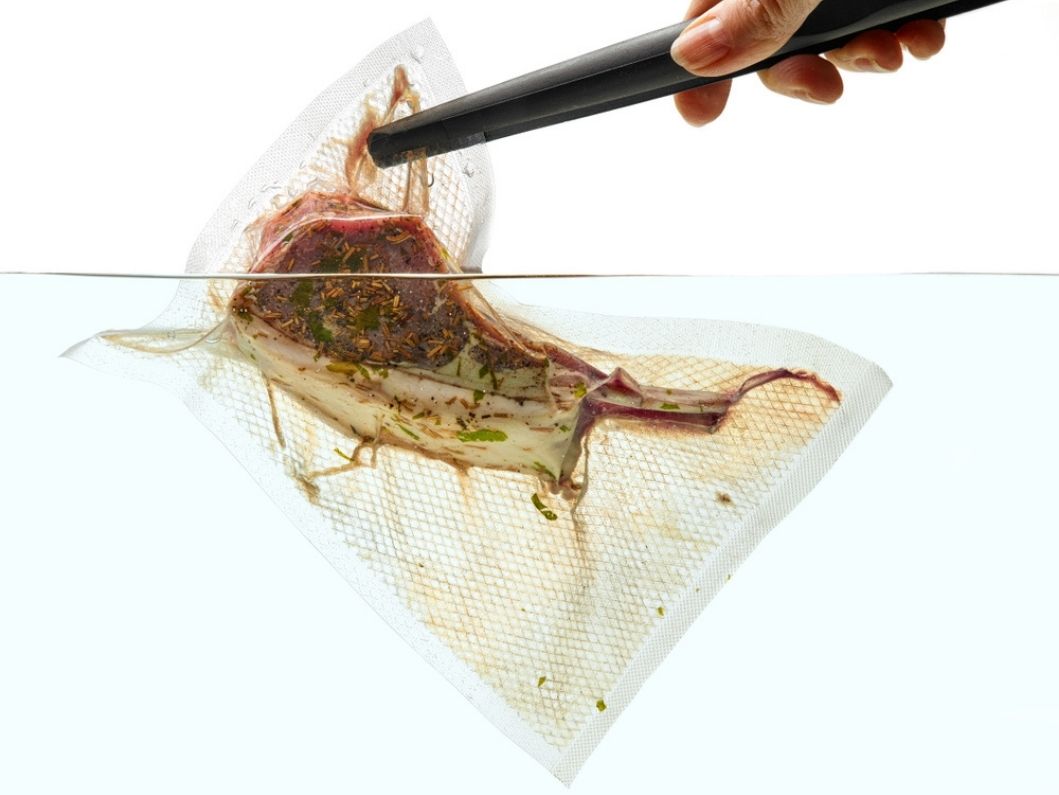
- Immersion Circulators: These devices, which can be attached to any pot, heat and circulate water, ensuring a consistent temperature throughout the cooking process.
- Water Bath Sous Vide Machines: Standalone units that come with a built-in water bath. They are typically more expensive but offer greater capacity for larger quantities of food.
- Combination Sous Vide Ovens: These are multifunctional devices that combine the capabilities of an oven and a water bath sous vide, allowing for searing and broiling in addition to sous vide cooking.
-
02 Key Features of Sous Vide Cooking
- Precision Temperature Control: Sous vide allows for precise control of cooking temperature, which can be adjusted to within fractions of a degree. This precision ensures that food is cooked uniformly, preventing overcooking.
- Timer Control: Most sous vide machines come with timers to control the duration of cooking, ensuring that the food cooks for the exact required time.
- Energy Efficiency: Sous vide is energy efficient due to its low temperature and insulated cooking environment, reducing the amount of energy needed over its cooking cycle.
-
03 Benefits of Using Sous Vide
- Consistency: By controlling the exact temperature and time, sous vide cooking produces results that are consistently replicated, which is ideal for restaurants and food services aiming for high standards.
- Enhanced Flavors and Juiciness: The vacuum-sealed cooking process locks in flavors and aromas, resulting in more flavorful and tender food.
- Nutrient Retention: Cooking at lower temperatures reduces the risk of losing heat-sensitive nutrients, making sous vide a healthier cooking option.
- Flexibility: Sous vide does not require constant attention, freeing up chefs and cooks to focus on other tasks in the kitchen.
-
04 Applications of Sous Vide
- Restaurants: High-end restaurants use sous vide to refine dishes with exact cooking, particularly for meats and seafood, which benefit from precise temperature control.
- Home Cooking: With the advent of affordable sous vide equipment, home cooks can now experiment with gourmet cooking techniques in their own kitchens.
- Industrial Food Production: In food manufacturing, sous vide can be used to mass-produce food that requires minimal finishing before it reaches the consumer, ensuring quality and safety.
-
05 Environmental Considerations
- Reduced Food Waste: The precision of sous vide cooking reduces the likelihood of errors and food spoilage, contributing to less food waste.
- Energy Consumption: While sous vide is energy-efficient during cooking, the long cooking times could potentially offset these benefits. It’s essential to consider the trade-offs between energy use and cooking outcomes.
- Plastic Use: The reliance on plastic bags in sous vide cooking raises environmental concerns. Biodegradable or reusable alternatives are being explored to mitigate the impact on plastic waste.

Your Bridge to Finding Efficient Sous Vide Services
CoPack Connect can connect brands with contract manufacturers and packagers that offer sous vide services. We make it easy for businesses to find the right manufacturer for their needs and provide the tools and resources they need to manage their projects successfully.



2000+
Manufacturers


