

Steaming Solutions that Create Competitive Advantage
Steaming is a versatile and efficient method that uses the heat from water vapor to cook food or sterilize items. This technique involves heating water to its boiling point, causing it to vaporize into steam, which then circulates to cook or process the material uniformly. Steaming is ideal for food preparation, using tools ranging from traditional bamboo steamers to modern electric appliances. The food is placed in a compartment that allows steam to envelop it, cooking it evenly without direct heat contact.
This method preserves the food’s texture, color, and nutrients, making it especially suitable for delicate items like vegetables and seafood. Beyond culinary uses, steaming is also vital in industrial applications such as sterilizing materials, where it effectively deactivates microorganisms. The method’s widespread use across various sectors highlights its significance and effectiveness.
-
01 How Steaming Works
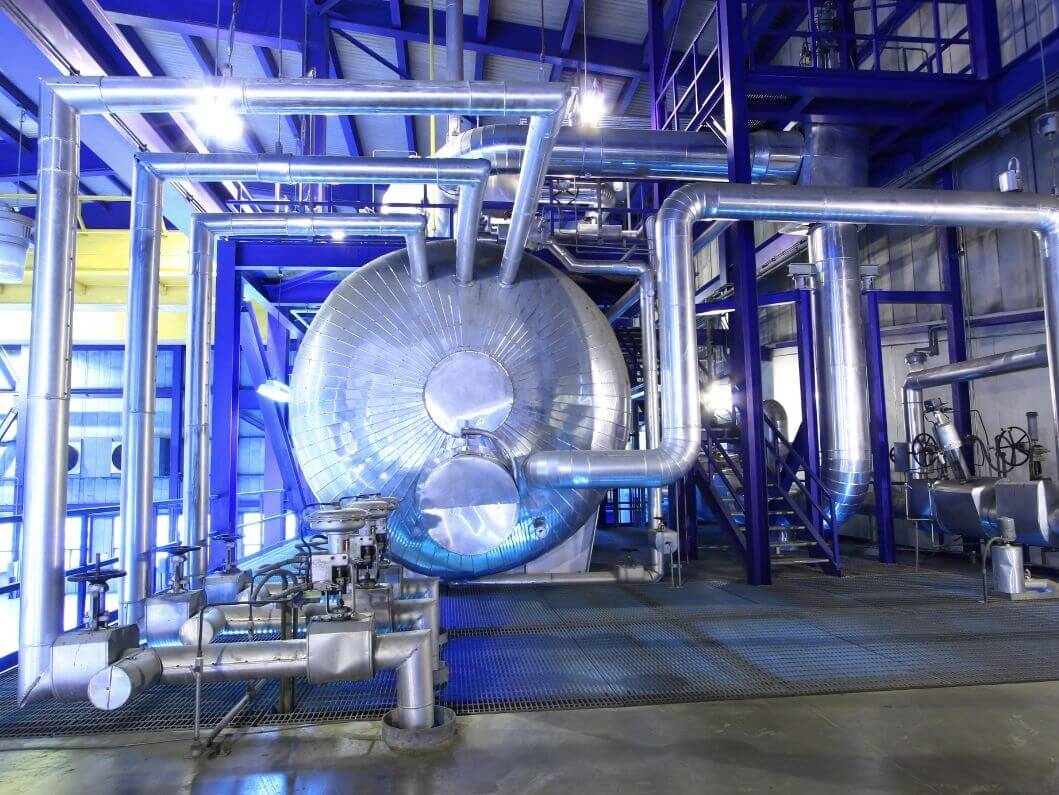
The process of steaming begins with boiling water, which transforms it into steam. As water boils, it reaches the temperature of 100 degrees Celsius (212 degrees Fahrenheit) at sea level, where it changes from liquid to gas. This steam carries both heat and moisture, which are then directed over or around the food or materials to be processed.
In culinary contexts, food items are placed in a steamer basket or a perforated container that sits above boiling water. The steam rises, surrounds the food, and cooks it gently yet quickly. The enclosed environment of a steamer traps the steam, maintaining a consistent high temperature and humidity, which cooks the food evenly.
-
02 Benefits of Steaming
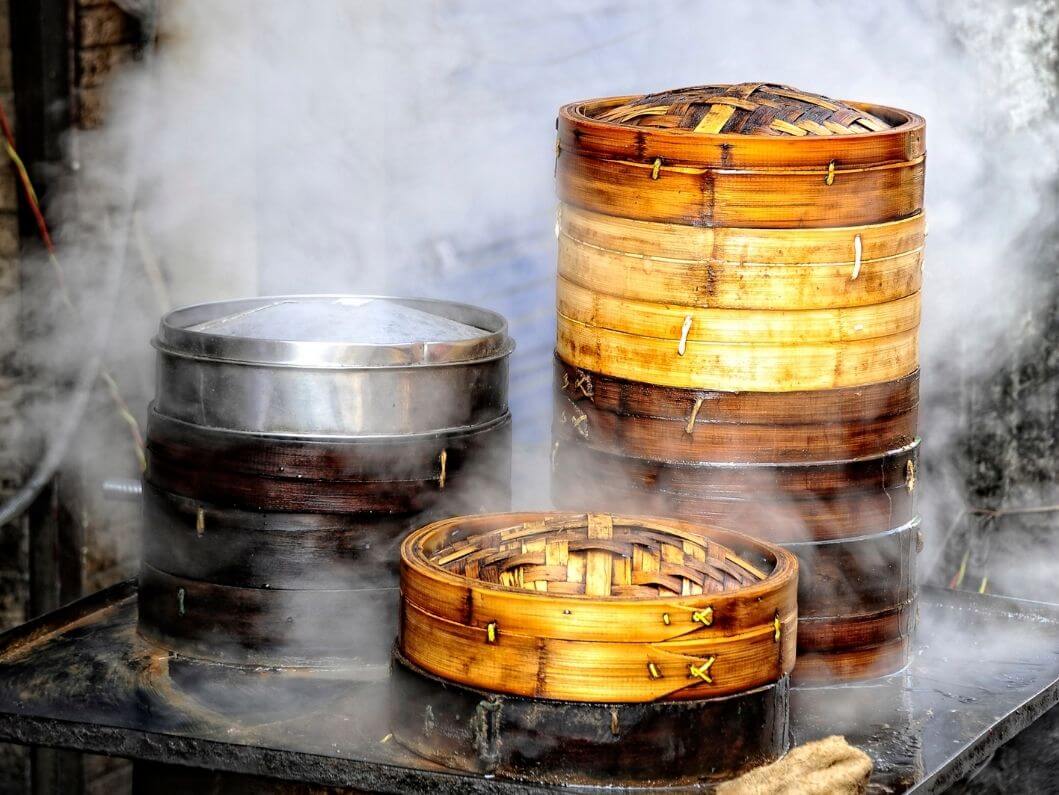
Steaming offers several notable benefits, particularly in cooking:
- Nutritional Integrity: Unlike boiling, where nutrients can leach out into the water, steaming helps in retaining the vitamins and minerals in food. The gentle cooking process ensures that delicate nutrients are not destroyed by excessive heat.
- Moisture Retention: Steaming adds moisture to the food, which helps in maintaining its natural texture. This is particularly advantageous for cooking vegetables and seafood, which can dry out or become tough under intense heat.
- Flavor Preservation: Since the food does not come into direct contact with the water, it retains more of its natural flavors. Additionally, the risk of overcooking is reduced, helping preserve the food’s original taste and aroma.
- Low-Fat Cooking: Steaming does not require oils or fats for cooking, making it a healthier choice compared to frying or sautéing.
- Versatility: Almost any food can be steamed, from vegetables and rice to meat and fish, making it a versatile cooking method suitable for a variety of diets.
- Sterilization: Beyond cooking, steaming is effective for sterilization purposes. The high heat carried by the steam can kill most bacteria, viruses, and spores, making it ideal for cleaning medical instruments and other sensitive tools.
-
03 Examples of Steaming Applications
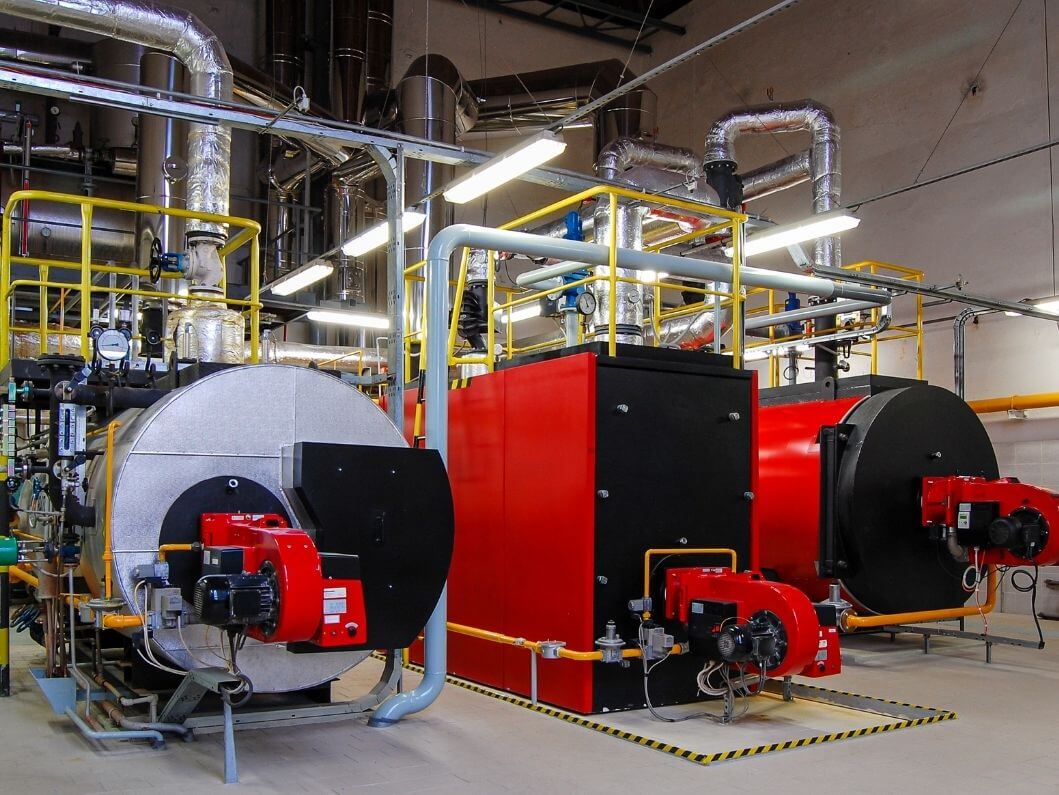
Steaming finds applications in several areas beyond just culinary arts:
- Culinary Uses: In the kitchen, steaming is used for preparing a wide range of dishes. Dumplings, buns, vegetables, rice, and fish are commonly steamed. Many cuisines, especially Asian, have traditional dishes based on this method.
- Textile Industry: In textile manufacturing, steaming is used to set dyes and help fabrics retain their shape. The process ensures that the colors fix well and are evenly distributed.
- Medical and Dental Tools: Steaming is a primary method for sterilizing medical and dental instruments. Autoclaves, which are essentially high-pressure steam chambers, are widely used in hospitals to ensure instruments are free of any microbial life.
- Wood Bending: In woodworking, steam is used to make wood pliable. The steamed wood can be easily bent and molded into desired shapes, which is crucial for creating custom furniture and other wooden structures.
- Spa Treatments: Steam baths and steam room therapies are popular in spas for their health benefits, such as improved circulation and skin cleansing.
- Scientific Research: In laboratories, steam autoclaves are used to sterilize equipment, culture media, and other materials that require a sterile environment to prevent contamination.


Your Gateway to Seamless Steaming Solutions
CoPack Connect can connect brands with contract manufacturers and packagers that offer steaming services. We make it easy for businesses to find the right manufacturer for their needs and provide the tools and resources they need to manage their relabeling projects successfully.



2000+
Manufacturers


