

Tubs Solutions that Create Competitive Advantage
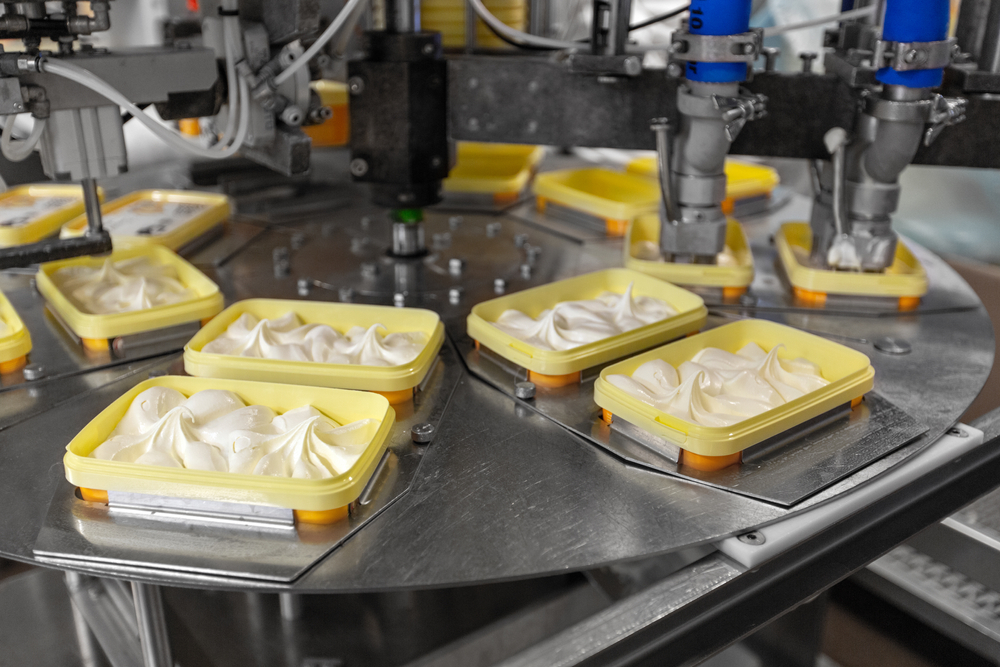
Tubs are available in a variety of materials to suit different packaging needs. Plastic tubs, made from materials like polyethylene or polypropylene, are popular for their versatility in size and opacity. Metal tubs, crafted from aluminum or steel, offer robust protection for industrial goods. Paperboard tubs are an eco-friendly choice commonly used for food items like ice cream, while biodegradable tubs, made from materials such as corn starch, cater to sustainable packaging demands. Fabricated foam tubs provide excellent insulation and protection, ideal for sensitive electronics. Each type is designed to meet specific requirements, ensuring functionality across a range of industries.
-
01 Features of Tubs
- Durability: Tubs are designed to be robust, providing excellent resistance to impacts which helps in protecting contents during shipping and storage.
- Sealability: Equipped with tight-sealing lids, tubs effectively shield contents from external elements like moisture, dust, and pests, safeguarding the product integrity.
- Customizability: They can be tailored with specific designs, logos, and labels, allowing for enhanced branding opportunities and increased consumer appeal.
- Versatility: Available in various materials and sizes, tubs are adaptable to a wide range of products, making them suitable for multiple uses from food to industrial goods.
-
02 Benefits of Tubs
- Product Integrity: The sealing capabilities of tubs ensure that the contents are well-protected, maintaining freshness and extending shelf life, particularly important in the food industry.
- Environmental Impact: Many tubs are made from recyclable or biodegradable materials, appealing to environmentally conscious consumers and reducing ecological footprints.
- Cost-effectiveness: Due to their reusability and the minimal materials required for their production, tubs offer a cost-effective solution for packaging needs.
- Consumer Satisfaction: The ease of use, combined with the safety and freshness they provide, enhances consumer satisfaction, making tubs a preferred choice in various markets.
-
03 Different Uses of Tubs
- Food Industry: Tubs are extensively used for packaging dairy products like ice cream, yogurt, and cottage cheese. Their sealability helps in maintaining freshness and extending shelf life.
- Pharmaceuticals: Tubs provide a secure packaging option for bulk pharmaceuticals, ensuring protection from contamination.
- Cosmetics and Personal Care: Creams, gels, and other personal care products are often packaged in plastic tubs to facilitate easy access and use.
- Paints and Chemicals: The industrial sector uses metal and plastic tubs for storing and transporting paints, solvents, and other chemicals, thanks to their resistance to harsh substances.
- Home and Garden: Tubs are used for packaging a variety of home and garden products, including pet food, gardening supplies, and cleaning agents.
- Arts and Crafts: Small tubs can be used to organize and store various arts and crafts supplies, helping to keep small items sorted and accessible.
-
04 Environmental Impact and Sustainability of Tubs
In the realm of tub packaging, sustainability is increasingly prioritized, with modern manufacturing processes focusing on minimizing environmental impact. The adoption of recyclable and biodegradable materials caters to the global demand for sustainable packaging solutions, significantly reducing landfill waste and supporting the circular economy. Advanced manufacturing technologies enhance this effort by optimizing material use and reducing production waste, while the integration of energy-efficient machinery reduces energy consumption. Additionally, the design of reusable tubs encourages consumers to extend the life cycle of the packaging, aligning industry practices with stricter environmental regulations and contributing to a lower carbon footprint.

Your Gateway to Seamless Tubs Solutions
CoPack Connect can connect brands with contract packagers that offer Tubs Solutions. We make it easy for businesses to find the right manufacturer for their needs and provide the tools and resources they need to manage their shock-absorbing packaging projects successfully.



2000+
Manufacturers


