

Cuisines
African cuisine is a vibrant and diverse culinary tradition, reflecting the continent’s rich cultural heritage, varied geography, and long history. It is characterized by the use of a wide array of fresh, local ingredients, bold flavors, and a variety of cooking techniques. African cuisine offers a colorful palette of tastes and textures, deeply rooted in the continent’s indigenous practices and influenced by various external cultures through trade and colonization.
-
01 Origins
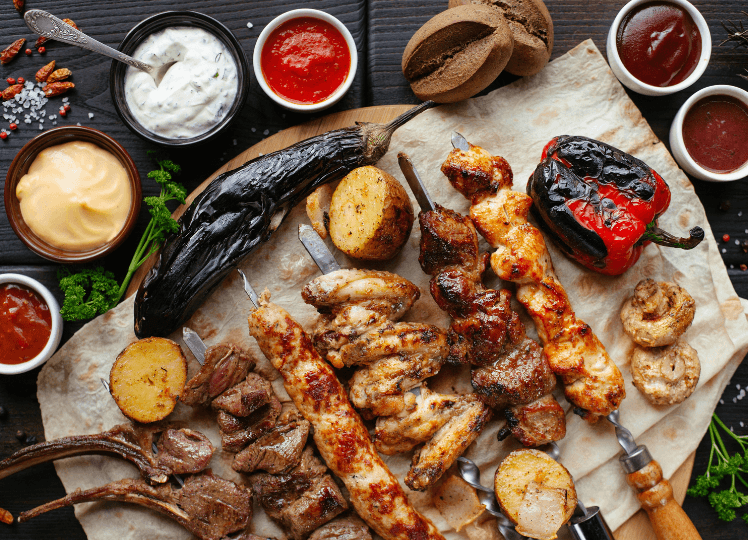
The origins of African cuisine are deeply intertwined with the continent’s history and geography. Ancient African civilizations developed sophisticated agricultural practices and created a culinary foundation based on staple ingredients such as millet, sorghum, yams, and plantains. The arrival of Arab traders, European colonizers, and other foreign influences introduced new ingredients such as rice, wheat, spices, and various meats, which were integrated into traditional dishes. This blend of indigenous and external influences has resulted in a rich and diverse culinary heritage that continues to evolve today.
-
02 Traditional Dishes
African cuisine encompasses a wide range of traditional dishes that vary by region, reflecting local ingredients and culinary practices:
- Jollof Rice: A popular West African dish made with rice, tomatoes, onions, and a blend of spices, often served with chicken, beef, or fish.
- Tagine: A North African stew slow-cooked in a conical clay pot, typically featuring meat, vegetables, and aromatic spices.
- Injera: A spongy flatbread from Ethiopia, made from fermented teff flour, served with a variety of stews and salads.
- Bunny Chow: A South African street food consisting of a hollowed-out loaf of bread filled with curry.
- Fufu: A starchy side dish common in West and Central Africa, made by pounding boiled cassava, yams, or plantains into a dough-like consistency.
- Bobotie: A Cape Malay dish from South Africa, consisting of spiced minced meat baked with an egg-based topping.
-
03 Ingredients and Spices
African cuisine relies heavily on fresh, locally sourced ingredients and a diverse range of spices:
- Grains: Millet, sorghum, rice, and maize are staple grains used in various dishes.
- Tubers: Yams, cassava, and sweet potatoes are widely consumed across the continent.
- Legumes: Black-eyed peas, lentils, and groundnuts (peanuts) provide essential protein.
- Spices: Cumin, coriander, ginger, cloves, and cinnamon are commonly used to flavor dishes.
- Vegetables: Okra, eggplant, tomatoes, and leafy greens are essential components of many meals.
- Fruits: Mangoes, papayas, and bananas are often used in both savory and sweet dishes.
-
04 Cooking Techniques
African cooking involves a variety of techniques, some of which have been used for centuries:
- Grilling and Roasting: Meats and vegetables are often grilled or roasted to enhance flavor.
- Stewing and Braising: Common techniques for making hearty dishes like tagine and peanut stew.
- Frying: Used for making foods like samosas, plantain chips, and various fritters.
- Smoking and Drying: Traditional methods for preserving fish, meat, and vegetables.
-
05 Modern Influences and Adaptations
In recent years, African cuisine has continued to evolve, influenced by global culinary trends and the availability of new ingredients. Contemporary African chefs are experimenting with traditional flavors and modern techniques to create innovative dishes that honor the roots of African cooking while appealing to a global audience. African street food, with its accessible and flavorful offerings, has also gained international popularity, introducing a wider audience to the delights of dishes like suya, bunny chow, and more.
-
06 Modern Uses of African Cuisine in Consumer Products
Today, African cuisine has a broad presence in consumer products, reflecting its rich flavors and culinary heritage:
- Packaged Foods: Ready-to-eat meals, snacks, and sauces that bring the flavors of Africa to homes around the world.
- Spices and Seasonings: Pre-mixed spice blends and seasoning packets for easy preparation of African dishes.
- Beverages: Traditional drinks like hibiscus tea, ginger beer, and baobab juice.
- Condiments: A variety of sauces, hot sauces, and chutneys that enhance the flavor of meals.

Applications in African Cuisine

Ready-to-Eat Meals
Contract packagers can efficiently package ready-to-eat African meals, such as jollof rice, tagine, and stews, ensuring they are sealed for freshness and convenience.

Spices and Seasonings
African spices and seasoning blends, such as berbere, ras el hanout, and peri-peri, can be packaged in various formats including sachets, jars, and resealable pouches.

Sauces and Condiments
Traditional African sauces like harissa, shito, and peanut sauce require careful packaging to maintain their flavor and shelf life. Contract packagers offer solutions such as glass jars, plastic bottles, and single-serve packets.
Beverages
Drinks like hibiscus tea, ginger beer, and baobab juice can be packaged in bottles, cartons, or powder sachets for easy distribution and consumption.
Snack Foods
Popular African snacks, such as plantain chips, roasted nuts, and dried fruit products, benefit from specialized packaging that keeps them crisp and flavorful.


2000+
Manufacturers


