

Cuisines
Cuban cuisine, a rich fusion of Spanish, African, and Caribbean flavors, reflects the island’s diverse cultural heritage. Known for its hearty and flavorful dishes, Cuban food combines tropical ingredients with traditional cooking techniques to create a unique and vibrant culinary experience. Staples such as rice, beans, pork, and plantains are central to many dishes, showcasing the country’s agricultural bounty and historical influences.
-
01 Origins
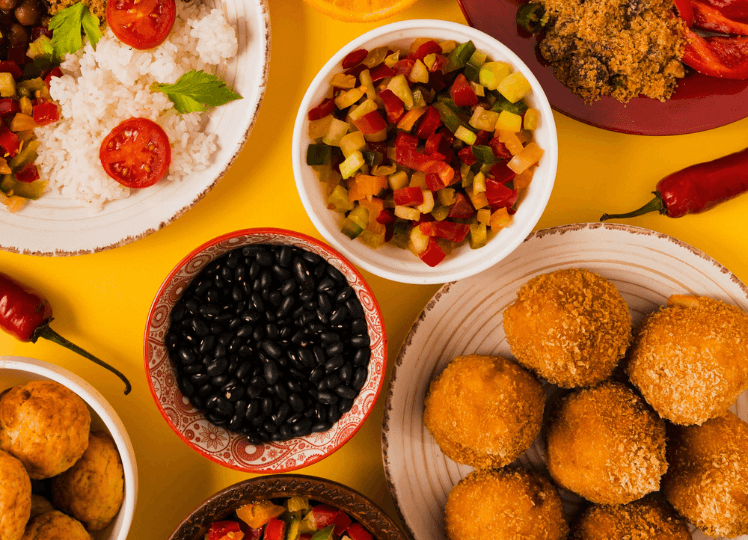
The origins of Cuban cuisine can be traced back to the indigenous Taíno people, who introduced staples like cassava, maize, and tropical fruits. With the arrival of Spanish colonizers in the 15th century, new ingredients and cooking methods were introduced, such as rice, citrus fruits, and various meats. African slaves brought by the Spanish also contributed to the culinary landscape, adding their own techniques and flavors, such as the use of root vegetables and spices. Over time, this blend of indigenous, Spanish, and African influences evolved into the distinctive cuisine of Cuba.
-
02 Traditional Dishes
Cuban cuisine boasts an array of traditional dishes that vary by region, reflecting local ingredients and culinary practices:
- Ropa Vieja: Shredded beef cooked with tomatoes, onions, bell peppers, and spices, often served with rice and black beans.
- Lechón Asado: Roasted pork marinated in a citrus-garlic sauce, typically served with rice, beans, and plantains.
- Moros y Cristianos: A classic rice and black beans dish, flavored with garlic, onions, and bell peppers.
- Tostones: Fried green plantains, usually served as a side dish or snack.
- Picadillo: Ground beef cooked with tomatoes, onions, olives, and raisins, often served with rice.
- Arroz con Pollo: Chicken and rice cooked together with vegetables and spices, creating a flavorful one-pot dish.
-
03 Ingredients and Spices
Cuban cuisine relies heavily on fresh, locally sourced ingredients and a wide array of spices:
- Rice: A staple in many dishes, often cooked with beans, meats, or seafood.
- Beans: Black beans and red beans are commonly used in soups, stews, and side dishes.
- Plantains: Both green and ripe plantains are used in various dishes, from savory tostones to sweet maduros.
- Citrus Fruits: Lime, lemon, and orange juices are frequently used in marinades and sauces.
- Garlic and Onions: Essential for flavoring meats, rice dishes, and stews.
- Cumin and Oregano: Common spices that add depth and warmth to many Cuban dishes.
-
04 Cooking Techniques
Cuban cooking involves a variety of techniques, some of which are ancient and others introduced by the Spanish:
- Marinating: Meats are often marinated in citrus juices, garlic, and spices to enhance flavor.
- Slow Cooking: Stews and roasts are typically cooked slowly to develop rich, deep flavors.
- Frying: Plantains, yuca, and certain meats are often fried to achieve a crispy texture.
- Baking: Dishes like empanadas and flan are baked to perfection, offering a mix of savory and sweet options.
-
05 Modern Influences and Adaptations
In recent years, Cuban cuisine has continued to evolve and adapt, influenced by global culinary trends and the availability of new ingredients. Contemporary Cuban chefs are experimenting with traditional flavors and modern techniques to create innovative dishes that honor the roots of Cuban cooking while appealing to a global audience. Cuban street food, with its accessible and flavorful offerings, has also gained international popularity, introducing a wider audience to the delights of empanadas, croquetas, and more.
-
06 Modern Uses of Cuban Cuisine in Consumer Products
Today, Cuban cuisine has a broad presence in consumer products, reflecting its rich flavors and culinary heritage:
- Packaged Foods: Ready-to-eat meals, snacks, and sauces that bring the flavors of Cuba to homes around the world.
- Spices and Seasonings: Pre-mixed spice blends and seasoning packets for easy preparation of Cuban dishes.
- Beverages: Traditional drinks like café cubano, mojitos, and tropical fruit juices.
- Condiments: A variety of sauces, marinades, and pickled vegetables that enhance the flavor of meals.

Applications in Cuban Cuisine

Ready-to-Eat Meals
Contract packagers can efficiently package ready-to-eat Cuban meals, such as ropa vieja, arroz con pollo, and picadillo, ensuring they are sealed for freshness and convenience.

Spices and Seasonings
Cuban spices and seasoning blends, such as adobo, sazón, and mojo marinade, can be packaged in various formats including sachets, jars, and resealable pouches.

Sauces and Condiments
Traditional Cuban sauces like mojo, chimichurri, and hot sauce require careful packaging to maintain their flavor and shelf life. Contract packagers offer solutions such as glass jars, plastic bottles, and single-serve packets.
Beverages
Drinks like café cubano, mojitos, and tropical fruit juices can be packaged in bottles, cartons, or powder sachets for easy distribution and consumption.
Snack Foods
Popular Cuban snacks, such as plantain chips, croquetas, and pastelitos, benefit from specialized packaging that keeps them crisp and flavorful.


2000+
Manufacturers


