

Cuisines
Hispanic cuisine, a culinary tradition encompassing the diverse gastronomies of Latin America and Spain, is renowned for its rich flavors, vibrant colors, and varied textures. This cuisine draws from a mix of indigenous ingredients and European influences, particularly Spanish, and has evolved to include elements from African, Asian, and Middle Eastern cuisines. Staples such as rice, beans, corn, and a variety of spices and herbs are central to many dishes, reflecting the cultural and geographical diversity of Hispanic regions.
-
01 Origins
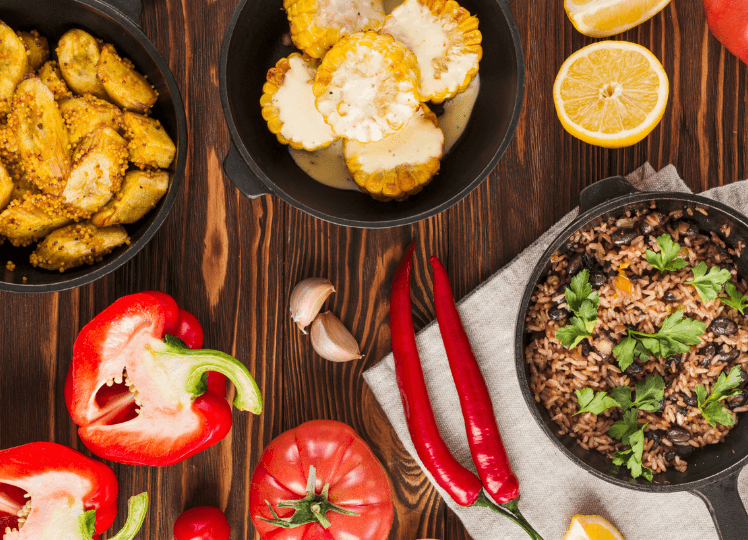
The origins of Hispanic cuisine can be traced back to ancient civilizations like the Incas, Mayans, and Aztecs, who cultivated staples such as maize (corn), beans, and chili peppers. With the arrival of the Spanish in the 15th and 16th centuries, new ingredients like rice, wheat, and domesticated animals (e.g., pigs, cows, and chickens) were introduced. This fusion of indigenous and European culinary traditions has continued to evolve, incorporating influences from other immigrant communities over time, resulting in a rich and varied culinary landscape.
-
02 Traditional Dishes
Hispanic cuisine features a wide array of traditional dishes that vary by region, reflecting local ingredients and culinary practices:
- Paella (Spain): A renowned Spanish dish made with rice, saffron, vegetables, and a variety of meats or seafood, cooked in a wide, shallow pan.
- Arepas (Venezuela and Colombia): Cornmeal cakes that can be grilled, baked, or fried, typically stuffed with meats, cheese, or avocado.
- Empanadas (Argentina and Chile): Pastries filled with meats, cheese, or vegetables, which can be baked or fried.
- Ceviche (Peru): A dish made from fresh raw fish marinated in citrus juices, often mixed with onions, cilantro, and chili peppers.
- Feijoada (Brazil): A hearty stew made with black beans and various cuts of pork, typically served with rice, collard greens, and orange slices.
- Pupusas (El Salvador): Thick corn tortillas stuffed with fillings such as cheese, beans, or pork, often served with pickled cabbage slaw (curtido) and tomato sauce.
-
03 Ingredients and Spices
Hispanic cuisine relies heavily on fresh, locally sourced ingredients and a wide array of spices and herbs:
- Corn: A staple used in various forms, such as tortillas, tamales, and arepas.
- Beans: A key source of protein, commonly used in soups, stews, and side dishes.
- Rice: A fundamental component in many dishes, often seasoned and mixed with beans, vegetables, or meats.
- Chilies: Used both fresh and dried, chilies add heat and flavor to many dishes. Varieties include jalapeños, habaneros, and guajillos.
- Herbs and Spices: Cilantro, cumin, oregano, and garlic are commonly used to enhance flavors.
- Tropical Fruits: Mangoes, papayas, and pineapples are often used in salsas, desserts, and beverages.
-
04 Cooking Techniques
Hispanic cooking employs a variety of techniques, some of which have been passed down through generations:
- Grilling: Commonly used for meats and vegetables to enhance flavor.
- Stewing: Techniques for making hearty dishes like feijoada and sancocho.
- Frying: Used for making foods like empanadas, churros, and tostones.
- Baking: Traditional for dishes like empanadas and pastel de tres leches (three milk cake).
-
05 Modern Influences and Adaptations
In recent years, Hispanic cuisine has continued to evolve, influenced by global culinary trends and the availability of new ingredients. Contemporary Hispanic chefs are experimenting with traditional flavors and modern techniques to create innovative dishes that honor the roots of their culinary traditions while appealing to a global audience. Hispanic street food, with its accessible and flavorful offerings, has also gained international popularity, introducing a wider audience to delights such as tacos, pupusas, and more.
-
06 Modern Uses of Hispanic Cuisine in Consumer Products
Today, Hispanic cuisine has a broad presence in consumer products, reflecting its rich flavors and culinary heritage:
- Packaged Foods: Ready-to-eat meals, snacks, and sauces that bring the flavors of Hispanic cuisine to homes around the world.
- Spices and Seasonings: Pre-mixed spice blends and seasoning packets for easy preparation of Hispanic dishes.
- Beverages: Traditional drinks like horchata, tamarind agua fresca, and Peruvian chicha morada.
- Condiments: A variety of salsas, hot sauces, and pickled vegetables that enhance the flavor of meals.

Applications in Hispanic Cuisine

Ready-to-Eat Meals
Contract packagers can efficiently package ready-to-eat Hispanic meals, such as paella, empanadas, and tamales, ensuring they are sealed for freshness and convenience.

Spices and Seasonings
Hispanic spices and seasoning blends, such as adobo, sazón, and mole sauce mixes, can be packaged in various formats including sachets, jars, and resealable pouches.

Sauces and Condiments
Traditional Hispanic sauces like salsa, guacamole, and chimichurri require careful packaging to maintain their flavor and shelf life. Contract packagers offer solutions such as glass jars, plastic bottles, and single-serve packets.
Beverages
Drinks like horchata, tamarind agua fresca, and Mexican hot chocolate mix can be packaged in bottles, cartons, or powder sachets for easy distribution and consumption.
Snack Foods
Popular Hispanic snacks, such as tortilla chips, churros, and dried chili products, benefit from specialized packaging that keeps them crisp and flavorful.


2000+
Manufacturers


